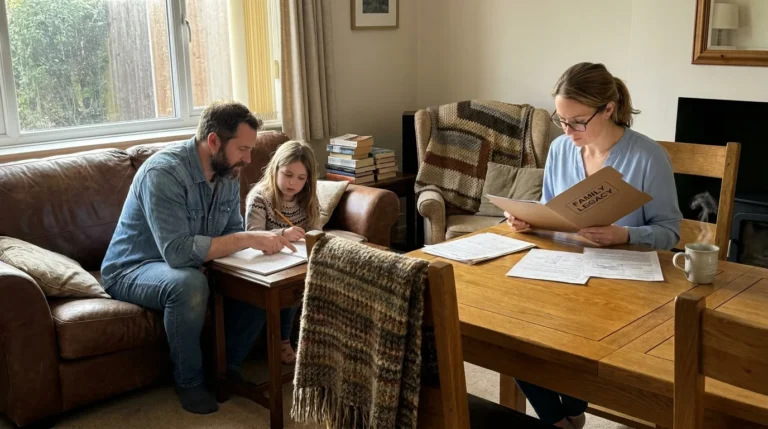
Estate planning often feels like a task best left for another day, yet it remains one of the most fundamental responsibilities you hold toward your family and loved ones. When you establish a clear, legally binding framework for your assets, you are not merely filling out paperwork; you are actively removing future burdens from the shoulders of those you care about most. For adults entering their retirement years or navigating life as a senior, taking control of this process provides profound peace of mind. You gain the assurance that your lifelong hard work will be distributed exactly according to your wishes, rather than being left to the rigid defaults of state law.
Surveys consistently show that a surprisingly high percentage of adults over the age of fifty-five still do not have a basic estate plan in place. Procrastination usually stems from a reluctance to confront mortality, confusion over legal jargon, or the mistaken belief that only the ultra-wealthy require formal estate planning. However, a will is essential for anyone who owns property, maintains bank accounts, or possesses items of sentimental value. Without one, families often face lengthy court battles, unnecessary expenses, and bitter emotional disputes during a time of grieving.
This comprehensive guide aims to demystify the estate planning process. Whether you are embarking on senior will creation for the very first time or you need to review a document you drafted decades ago, understanding the mechanics of a will empowers you to make informed decisions. You will learn the terminology, discover actionable steps for documenting your assets, and explore the common pitfalls that can unravel even the best intentions. Knowledge is your strongest tool—by grasping the fundamentals, you can have highly productive conversations with financial and legal professionals to secure your legacy.
Remember that life is dynamic. Your family grows, your financial situation evolves, and laws frequently change. A document written twenty years ago might completely fail to account for a new grandchild, the sale of a primary residence, or a transition into a different state. Approaching your estate plan as a living document ensures that it always reflects your current reality and your most up-to-date intentions.