Common Mistakes and How to Avoid Them
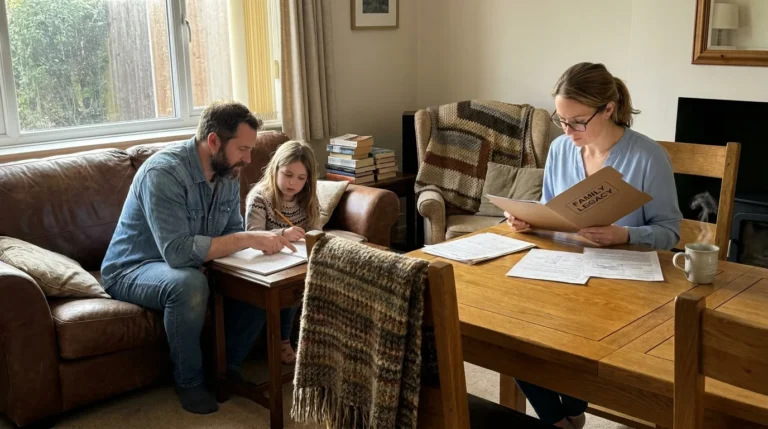
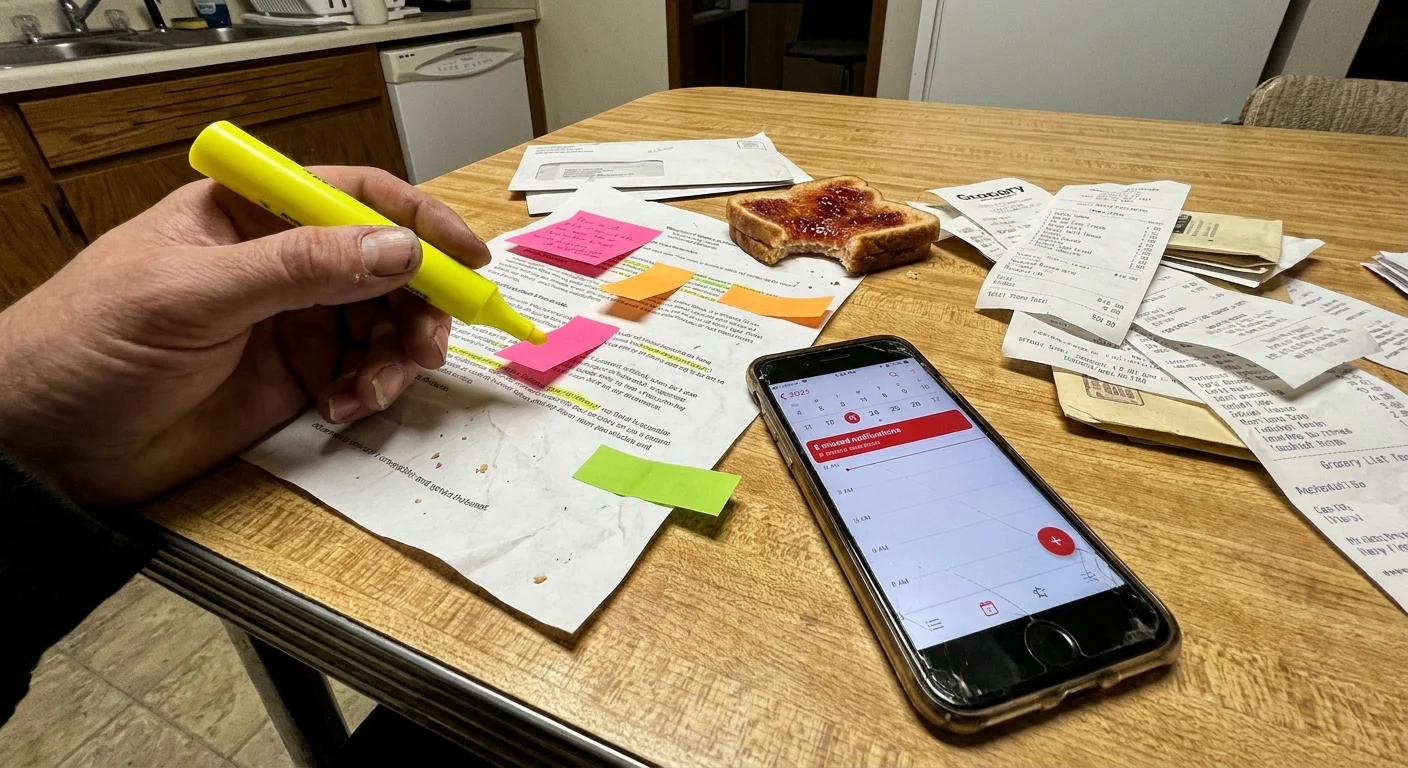
Gathering your legal documents represents a massive step forward, but the process does not end with a single signature. Many seniors successfully draft their estate planning essentials only to undermine their own efforts through common, preventable errors. You must manage your legal portfolio actively to ensure it functions exactly as intended.
Setting It and Forgetting It
Estate planning is not a one-time event; it is an ongoing process. A will drafted in 2005 may hold little relevance in 2026. Laws change, financial situations fluctuate, and family dynamics evolve. You might experience the birth of new grandchildren, the passing of a designated executor, or a divorce within your family. Review your documents every three to five years, or immediately following any major life event. Keeping your documents current guarantees they align with your present reality.
Mishandling Beneficiary Designations
One of the most devastating financial mistakes involves misunderstanding how beneficiary designations work. When you open a life insurance policy, an IRA, a 401(k), or a payable-on-death (POD) bank account, you name a beneficiary. That specific designation supersedes your will.
For example, if you write a will leaving all your assets equally to your three children, but your IRA still lists your ex-spouse as the sole beneficiary, your ex-spouse will legally inherit that entire retirement account. The probate court has no power to change it. You must regularly audit your financial accounts to ensure the listed beneficiaries match the overarching goals of your estate plan.
Failing to Fund a Living Trust
Creating a revocable living trust requires two distinct steps: drafting the legal document and transferring your assets into it. This second step is known as “funding” the trust. Many people pay an attorney to draft a beautiful trust document, take it home, and put it in a drawer without ever retitling their home or their bank accounts into the name of the trust.
An empty trust controls nothing. If you do not legally transfer the deed of your house or the title of your accounts into the trust, those assets remain in your personal name and will absolutely go through the probate process you paid to avoid. You must diligently work with your financial institutions to update the ownership of your assets.
Hiding Your Documents Too Well
Security is important, but accessibility is paramount. If you lock your original will, living will, and power of attorney in a secret safe deposit box at a bank, you create a massive logistical nightmare. If you die or become incapacitated, your family cannot legally access the safe deposit box to retrieve the very document that grants them legal authority to access the box.
Store your original documents in a fireproof, waterproof safe inside your home. Provide the combination or key to your named executor and agents. Additionally, give clear, legible copies of your healthcare directives to your primary care physician, your local hospital, and your named healthcare proxy. The best legal document in the world holds zero value if no one can find it when an emergency strikes.