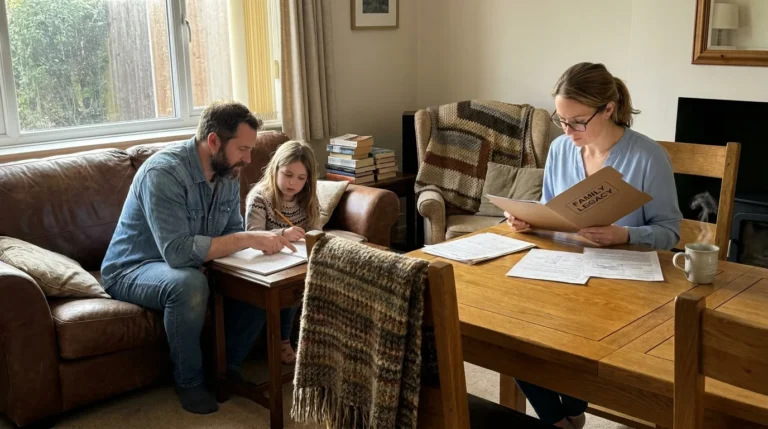
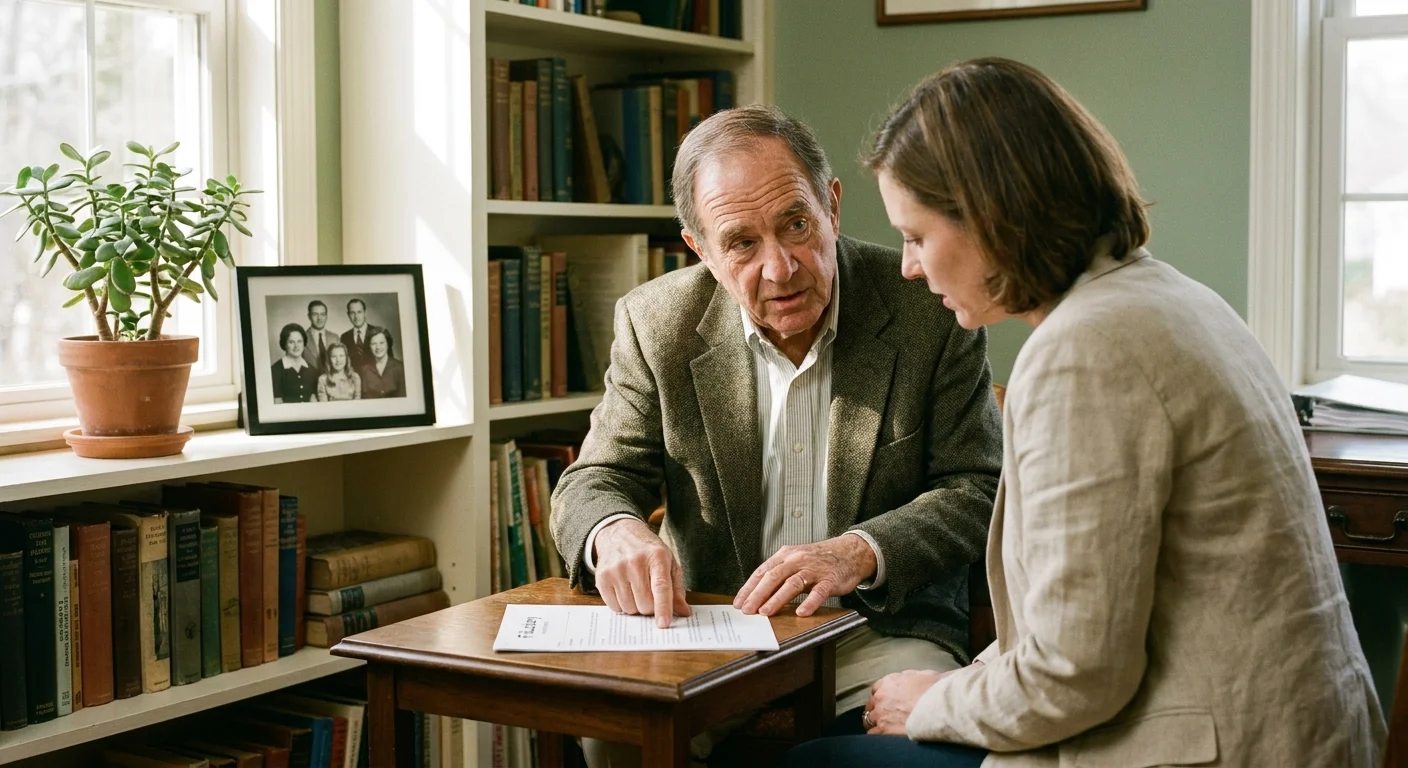
When to Consult a Professional
In today’s digital age, you can easily find heavily advertised, low-cost online templates for drafting a will or a power of attorney. For an individual with very few assets, no real estate, and a completely straightforward family situation, a DIY approach might suffice. However, the legal landscape is fraught with rigid technicalities; a single missing witness signature or poorly phrased sentence can invalidate an entire document.
You should absolutely consult an experienced estate planning attorney if your life includes any degree of complexity. Blended families—where you have children from previous marriages—require highly specific legal structures to ensure your current spouse is cared for while preserving an inheritance for your children. If you own real estate in multiple states, you risk your family facing multiple, simultaneous probate proceedings unless you utilize a well-drafted living trust.
Furthermore, if you have a dependent child or grandchild with special needs, leaving them a direct inheritance could immediately disqualify them from vital government assistance programs. An attorney can help you establish a Special Needs Trust, providing financial support without jeopardizing their benefits.
Your attorney acts as a strategic partner, identifying tax liabilities and legal loopholes you might never notice. They ensure your documents comply with the specific laws of your state, which vary significantly across the country regarding witnessing, notarization, and executor requirements.
For official information, consult government resources like USA.gov, the Consumer Financial Protection Bureau (CFPB), and the Federal Trade Commission (FTC).
For tax-related topics, refer to the IRS. For information on Social Security, visit the Social Security Administration.