
Common Mistakes and How to Avoid Them
Beyond the three major purchasing decisions we have discussed, several other common mistakes can slowly erode a healthy credit score. Being aware of these pitfalls is key to long-term financial wellness. Here are some of the most frequent errors and simple ways to avoid them.
Mistake 1: Closing Old Credit Card Accounts
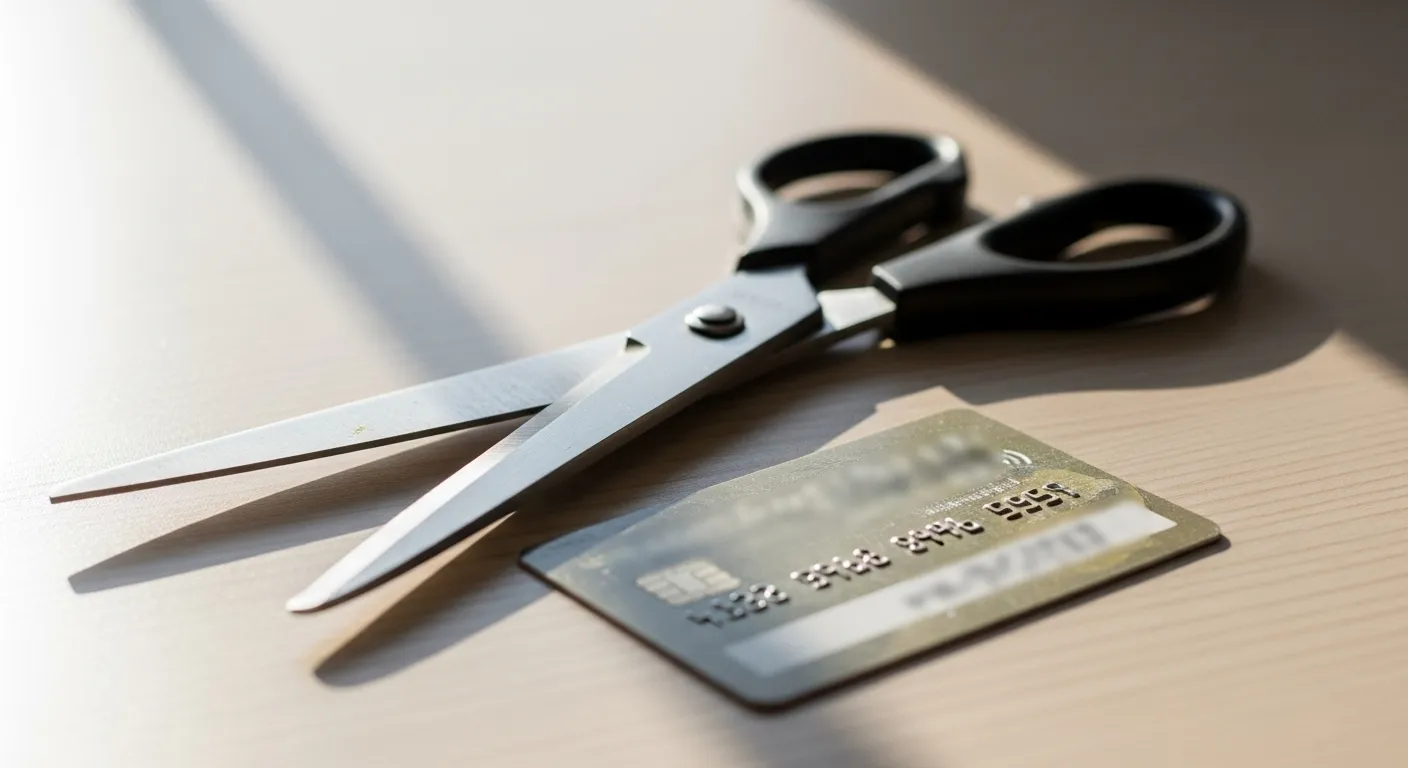
It can feel satisfying to close a credit card account you no longer use. It seems like a responsible move to simplify your finances. However, this action can backfire. Closing an old account, particularly your oldest one, can hurt your score in two ways. First, it shortens the overall length of your credit history. Second, it reduces your total available credit, which automatically increases your credit utilization ratio, assuming you carry balances on other cards.
How to Avoid It: Keep your old, no-annual-fee credit cards open. To ensure the issuer does not close the account for inactivity, use it for a small, recurring purchase—like a coffee or a subscription service—once every few months and pay the bill in full immediately. This keeps the account active and preserves your valuable credit history.
Mistake 2: Maxing Out a Single Credit Card
You might think that as long as your overall credit utilization is low, it is okay to max out one card. For example, you have three cards, each with a $10,000 limit ($30,000 total). You have a $9,000 balance on one card and zero on the others. Your overall utilization is a healthy 30% ($9,000 / $30,000). However, lenders and credit scoring models also look at the utilization on a per-card basis. A card with a balance at or near its limit is a significant red flag, suggesting potential financial trouble.
How to Avoid It: If you need to make a large purchase, try to spread the balance across multiple cards to keep the per-card utilization low. Even better, if you have the cash, pay down a large portion of the balance before your statement closing date. The balance reported to the credit bureaus is usually the one on your statement, so paying it down early can prevent the high utilization from ever being recorded.
Mistake 3: Never Checking Your Credit Reports
Your credit reports are the raw data used to calculate your credit score. Unfortunately, these reports can and often do contain errors. A clerical error, a payment misapplied to the wrong account, or fraudulent activity from identity theft could be dragging down your score without your knowledge. Ignoring your reports is like never looking under the hood of your car; you will not know there is a problem until it causes a breakdown.
How to Avoid It: You are legally entitled to a free copy of your credit report from each of the three major bureaus—Equifax, Experian, and TransUnion—once every 12 months. The only official, federally authorized website to get these free reports is AnnualCreditReport.com. Schedule a time each year to pull all three reports and review them carefully. Look for accounts you do not recognize, incorrect payment statuses, or personal information errors. If you find a mistake, dispute it immediately with the credit bureau.
Mistake 4: Missing Payments by Just a Day or Two
Many people believe that as long as a payment is made before it is 30 days late, no harm is done to their credit score. This is technically true—creditors typically do not report a payment as late to the bureaus until it has passed the 30-day mark. However, this is a dangerous habit to get into. The moment your payment is past the due date, your lender can charge you a late fee and may increase your interest rate to a much higher penalty rate. This makes your debt more expensive and harder to pay off. Furthermore, being habitually late by a few days makes it much more likely that you will eventually cross the 30-day threshold, causing real damage to your score.
How to Avoid It: The best defense is automation. Set up automatic payments for at least the minimum amount due on all your credit accounts. This creates a safety net, ensuring you never have a late payment reported. You can then log in before the due date to pay a larger amount if you choose.