
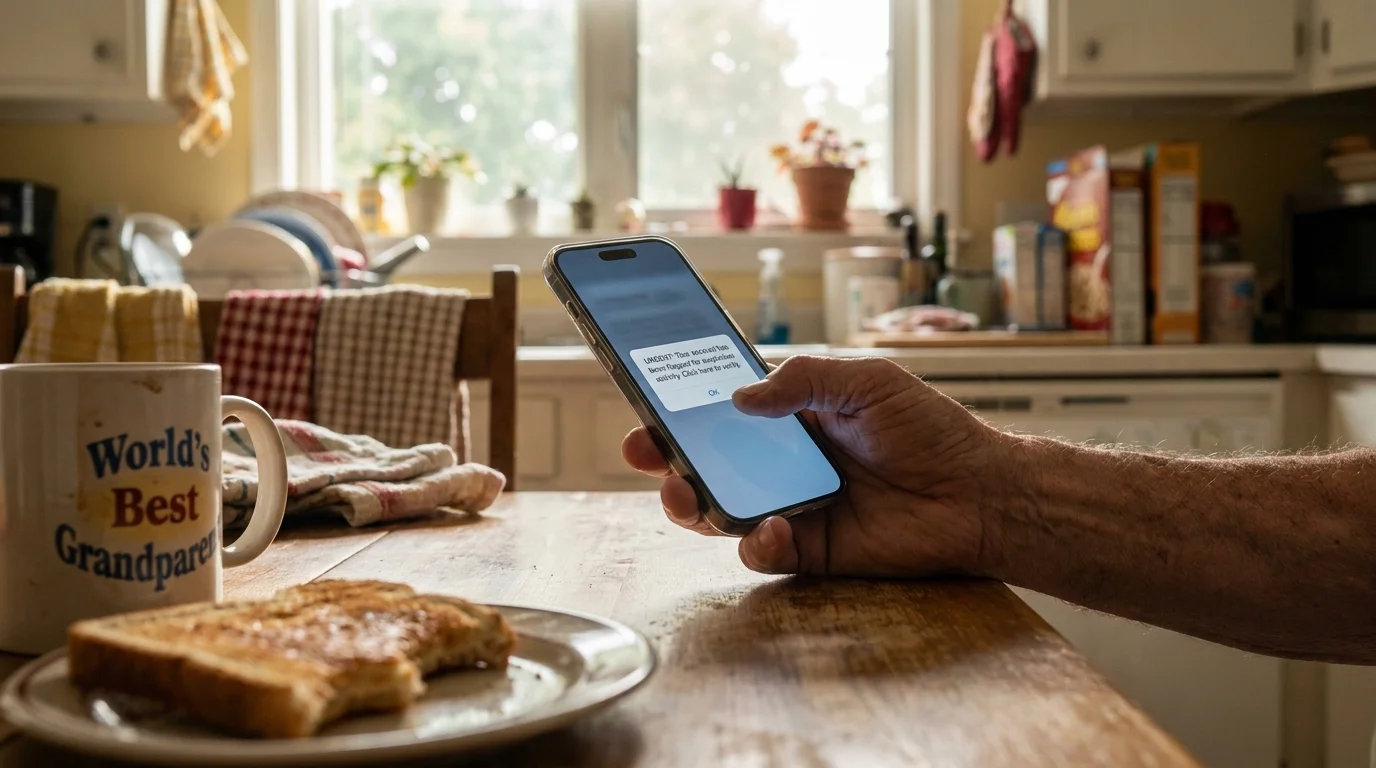
A Practical Guide to 7 Scams Specifically Targeting American Seniors Right Now in 2026
Understanding the landscape of senior scams 2026 requires examining the exact mechanics of the frauds operating right now. Criminals refine these seven specific schemes continuously, targeting older adults because they generally possess more substantial financial assets, established credit, and a lifetime of savings. Here is exactly how these scams unfold and the practical steps you must take to defend your finances.

1. The AI Voice Cloning Family Emergency Scam
The Setup: Your phone rings late at night. When you answer, you hear the frantic, crying voice of your grandchild or child. They claim they have been in a severe car accident, have been unfairly arrested, or are trapped in a foreign country without their passport. The voice is flawless; it sounds exactly like your loved one.
The Hook: A secondary persona suddenly takes over the call. This individual claims to be a police officer, a public defender, or an emergency room doctor. They explain that a strict gag order is in place and that your loved one will face dire consequences if you tell anyone else about the situation.
The Trap: The fake authority figure demands immediate payment for bail, medical supplies, or legal fees. Because standard bank transfers take too long, they order you to withdraw cash, purchase thousands of dollars in Apple or Target gift cards, and read the numbers over the phone—or they direct you to a nearby Bitcoin ATM.
The Defense: Hang up the phone immediately. Do not attempt to interrogate the caller. Dial your loved one’s phone number directly; in almost every case, they will answer from their home or workplace, completely safe. Furthermore, establish a family “safe word.” This must be a specific, unique word known only to your immediate family. If someone calls claiming to be a family member in distress, demand the safe word. If they cannot provide it, disconnect the call.
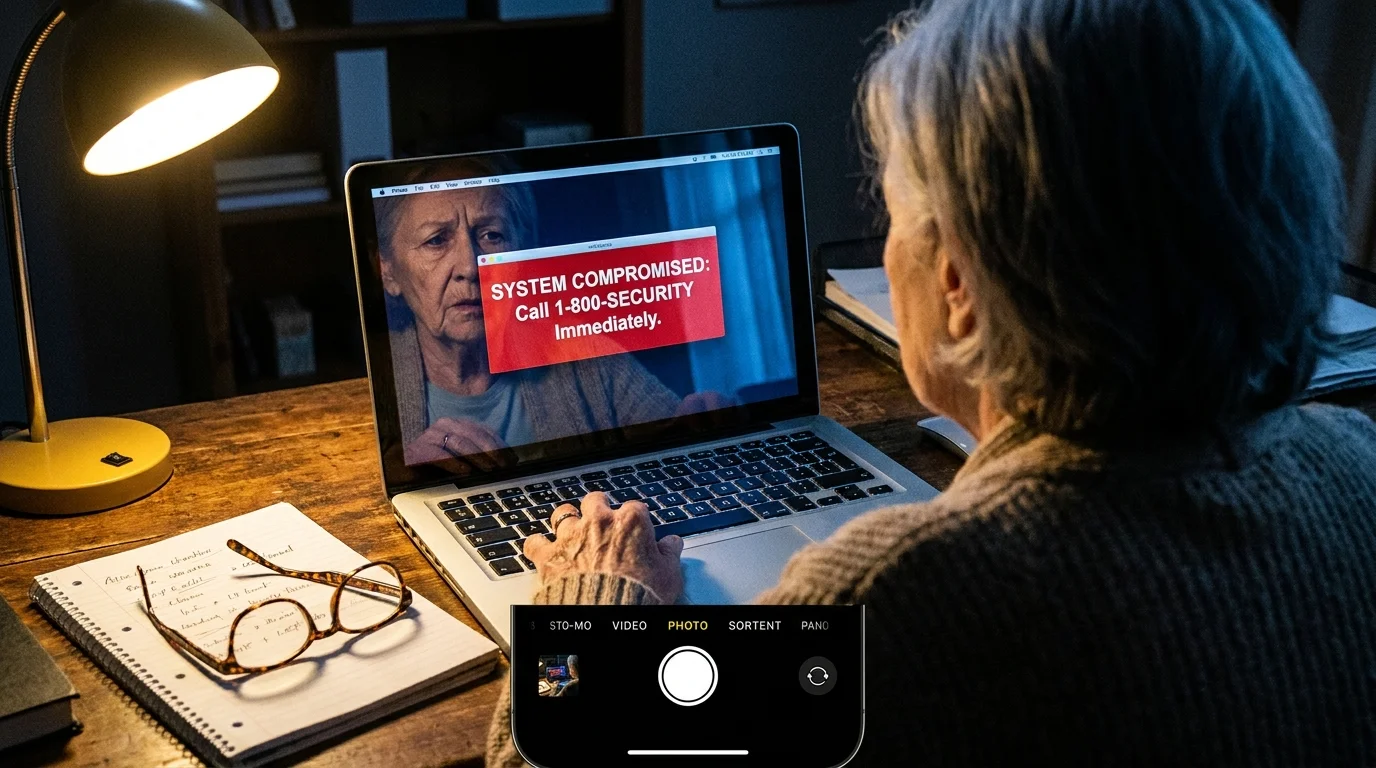
2. The “Phantom Hacker” Tech Support and Bank Fraud
The Setup: While browsing the internet or checking email, your computer screen suddenly freezes, displaying a bright red warning and emitting a loud beeping noise. The screen claims your computer has been infected with illegal pornography or severe malware, providing a toll-free number to call “Microsoft” or “Apple” support immediately.
The Hook: When you call the number, a “technician” instructs you to download software that grants them remote control over your computer. Once inside, they open your online banking portal and feign panic. They claim that foreign hackers have already breached your bank accounts and that your life savings are in imminent danger.
The Trap: The scammer escalates the situation by bringing a “Federal Reserve Agent” or “Bank Fraud Investigator” onto the line. This imposter tells you the only way to protect your money is to transfer your entire balance to a secure “federal holding account” via wire transfer. In reality, you are wiring your money directly into the scammer’s overseas bank account.
The Defense: Never click on alarming pop-ups, and absolutely never call the phone numbers displayed on computer warning screens; legitimate tech companies do not operate this way. If your computer locks up, simply turn it off by holding down the physical power button. Do not ever grant remote access to your computer to an unsolicited caller. If you are worried about your bank account, drive to your local bank branch and speak to a manager in person.
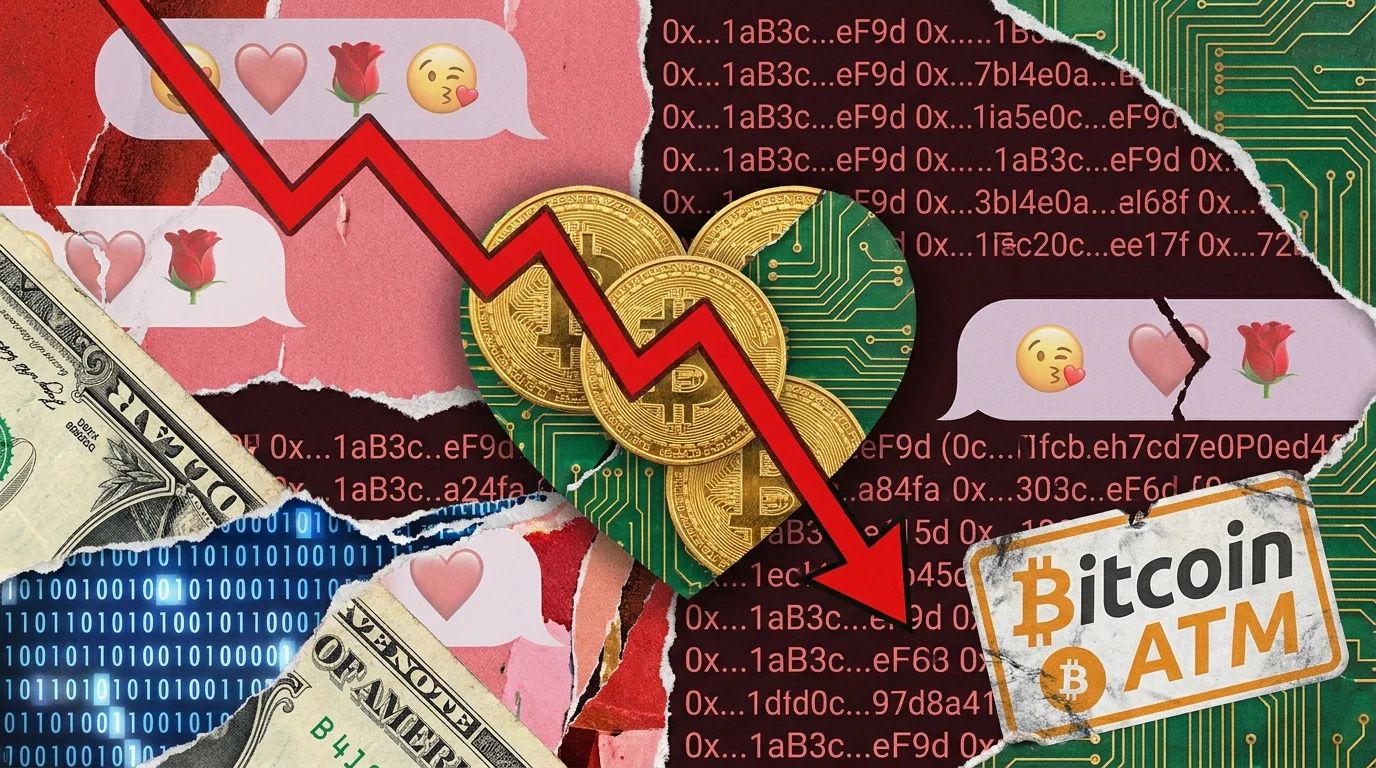
3. Cryptocurrency Investment and Romance Hybrid Fraud (“Pig Butchering”)
The Setup: It begins with a seemingly innocent mistake. You receive a polite text message from an unknown number: “Hi John, are we still meeting for golf today?” When you politely reply that they have the wrong number, the sender strikes up a friendly conversation. Alternatively, the contact begins on Facebook, LinkedIn, or a senior dating website.
The Hook: The scammer invests immense time into the relationship. They text you every morning, share fake photos of their lavish lifestyle, and build a deep emotional bond over several months. They never ask for money directly. Instead, they casually mention how much wealth they are generating through a specialized cryptocurrency trading platform, offering to teach you how to do it.
The Trap: They direct you to a highly sophisticated, fake website that looks exactly like a legitimate financial dashboard. You invest a small amount—perhaps $500—and the dashboard immediately shows your investment doubling. Emboldened by this fake data, you transfer larger sums, eventually liquidating retirement accounts or taking out second mortgages. When you finally try to withdraw your funds, the platform demands massive “tax payments,” and the romance partner disappears.
The Defense: Adopt a strict policy of blocking and deleting text messages from unknown numbers, regardless of how friendly they seem. Never mix emotional relationships with financial investments. Understand that any online acquaintance who introduces you to a “guaranteed” or “secret” wealth-building platform is attempting to defraud you. Do not invest in digital assets unless you are using a mainstream, publicly traded brokerage firm based in the United States.

4. Targeted Medicare and Genetic Testing Fraud
The Setup: You receive a phone call, a direct mail piece, or approach a booth at a local senior health fair offering “free” genetic testing. The representatives claim these comprehensive DNA swabs will screen you for cancer, heart disease, or Alzheimer’s markers, completely covered by Medicare at zero cost to you.
The Hook: The scammers present themselves as deeply caring healthcare advocates. They emphasize that early detection saves lives and that you are entitled to these benefits under your current Medicare plan. All they need is your Medicare number and a quick cheek swab to process the paperwork.
The Trap: The genetic test is useless, but the real prize is your Medicare number. The scammers use your medical identity to fraudulently bill the government for tens of thousands of dollars in unnecessary medical equipment, back braces, and complex laboratory tests. This medical identity theft can corrupt your official medical records, potentially leading to incorrect treatments or the denial of legitimate medical equipment you may actually need in the future.
The Defense: Treat your Medicare card exactly like your Social Security card; guard it fiercely. Never provide your Medicare number to unsolicited callers, door-to-door salespeople, or individuals running promotional booths. Only share this information directly with your trusted primary care physician, legitimate hospitals, and verified pharmacies. Review your quarterly Medicare Summary Notice (MSN) meticulously to check for services or equipment you never received.

5. Deepfake Celebrity Endorsement and Investment Scams
The Setup: While scrolling through YouTube, Facebook, or a news website, you see a video advertisement featuring a highly recognizable public figure—perhaps Elon Musk, a famous news anchor, or a well-known politician. In the video, the celebrity looks directly at the camera and enthusiastically endorses a new government-backed investment program or a revolutionary financial product.
The Hook: The video utilizes advanced deepfake technology. Criminals map the celebrity’s face and clone their voice, creating an incredibly realistic but entirely fake video. The recognizable face disarms your natural skepticism, making the fraudulent investment seem legitimate, safe, and heavily endorsed by wealthy insiders.
The Trap: You click the link under the video and are taken to a high-quality landing page demanding an initial investment to secure your spot in the exclusive program. Once you provide your credit card information or authorize a bank transfer, the criminals drain your accounts. The celebrity has absolutely no connection to the scheme.
The Defense: Develop severe skepticism regarding any celebrity endorsement of investment products on social media. Legitimate financial institutions do not use hidden internet links or high-pressure social media videos to distribute exclusive investment opportunities. If an investment guarantees astronomical returns with zero risk, it is mathematically impossible and certainly a scam. Always verify financial products through independent, registered financial advisors.

6. Government Imposter and Fake Digital Warrants
The Setup: You receive an aggressive, terrifying phone call from someone claiming to be an agent with the FBI, the DEA, or the local Sheriff’s office. They inform you that your identity was used to rent a car found abandoned at the southern border filled with illegal drugs and money laundering evidence.
The Hook: To prove their legitimacy, the caller emails or texts you an official-looking document. This “warrant” features the official seal of the Department of Justice, a judge’s forged signature, and your actual home address. The caller tells you that you are about to be indicted for international drug trafficking and money laundering.
The Trap: The imposter offers you a lifeline. They state that if you immediately pay a “bond” or transfer your assets into a “federal protective account” while they investigate the identity theft, you will avoid arrest. They demand that you stay on the phone while you drive to the bank to wire the funds, threatening to dispatch patrol cars to your home if you hang up.
The Defense: Realize that law enforcement agencies in the United States absolutely never call citizens to demand money, gift cards, or cryptocurrency to clear warrants. They do not email arrest warrants, and they do not offer to settle criminal charges over the phone. If you receive a call like this, hang up immediately. If you are genuinely concerned, look up the non-emergency phone number for your local police department, call them directly, and ask if there are any outstanding issues connected to your name.
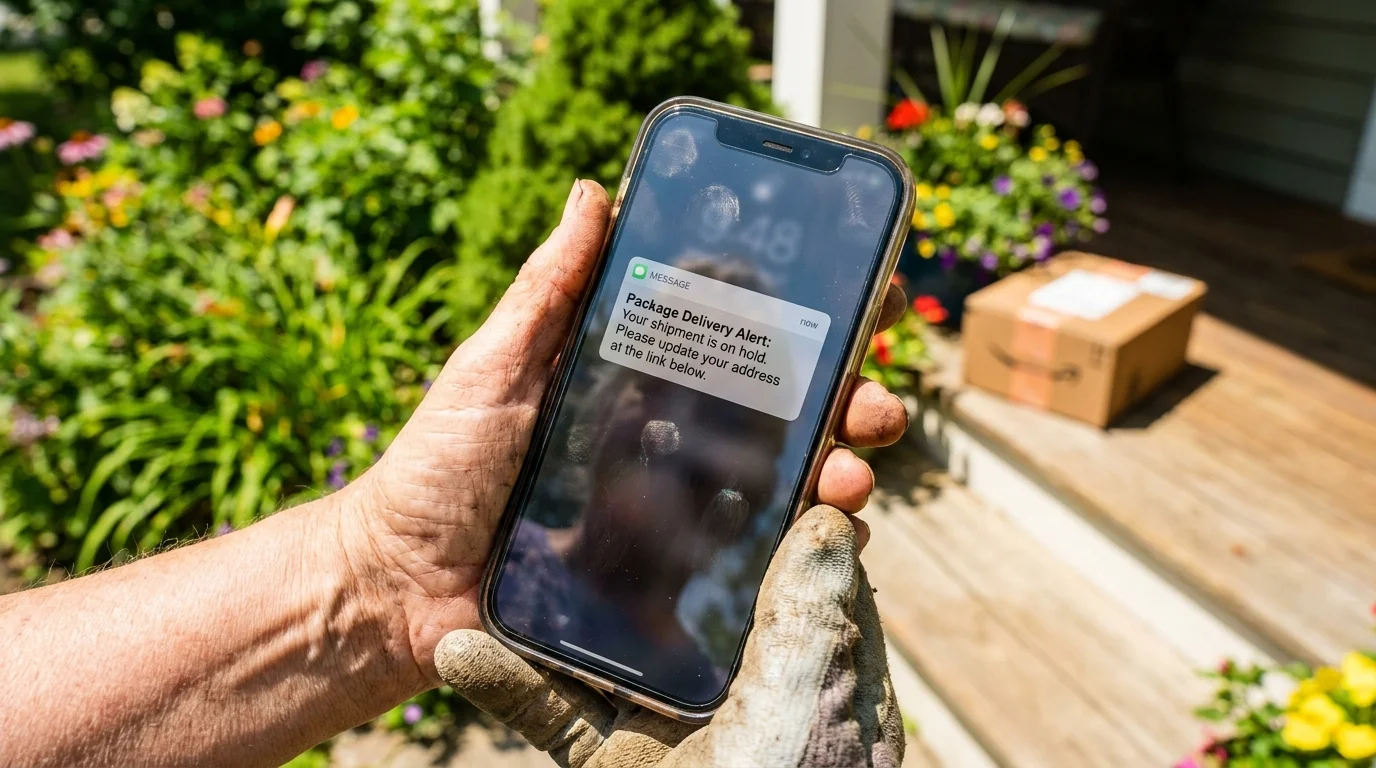
7. Automated Package Delivery Smishing (Text Scams)
The Setup: You receive a text message stating that the United States Postal Service (USPS), FedEx, or UPS attempted to deliver a package to your home, but the delivery failed due to an incomplete address or a missing postage fee.
The Hook: The message includes a convenient link to resolve the issue quickly. Because almost everyone orders items online regularly, the timing often coincides with an actual package you are expecting. The urgency implies that if you do not act immediately, the package will be returned to the sender or destroyed.
The Trap: Clicking the link takes you to a meticulously crafted fake website that perfectly mimics the official USPS or FedEx tracking page. The site asks you to update your address and pay a trivial “redelivery fee” of $1.50. When you enter your credit card information to pay this tiny fee, the scammers capture your full credit card number, expiration date, and security code, using it to make massive unauthorized purchases.
The Defense: Never click on tracking links sent to you via unsolicited text messages. Legitimate shipping companies do not send text messages demanding immediate payment for redelivery. If you are expecting a package, navigate directly to the official USPS, UPS, or FedEx website using your internet browser and manually type in the tracking number provided by the merchant at the time of your original purchase.