
Misunderstanding the legal system can cost you time, money, and peace of mind when making critical decisions. Countless Americans rely on television dramas and neighborhood gossip to understand their rights, creating a dangerous landscape of misinformation. Recognizing common legal myths empowers you to protect your assets, secure your family’s future, and navigate complicated regulations with confidence. Instead of operating on outdated assumptions about contracts, estate planning, and consumer rights in America, you need factual clarity to make informed choices. This guide breaks down the reality behind the most persistent law facts and legal advice misconceptions circulating today. By separating fiction from reality, you ensure your next steps are built on a solid foundation of truth rather than popular hearsay.
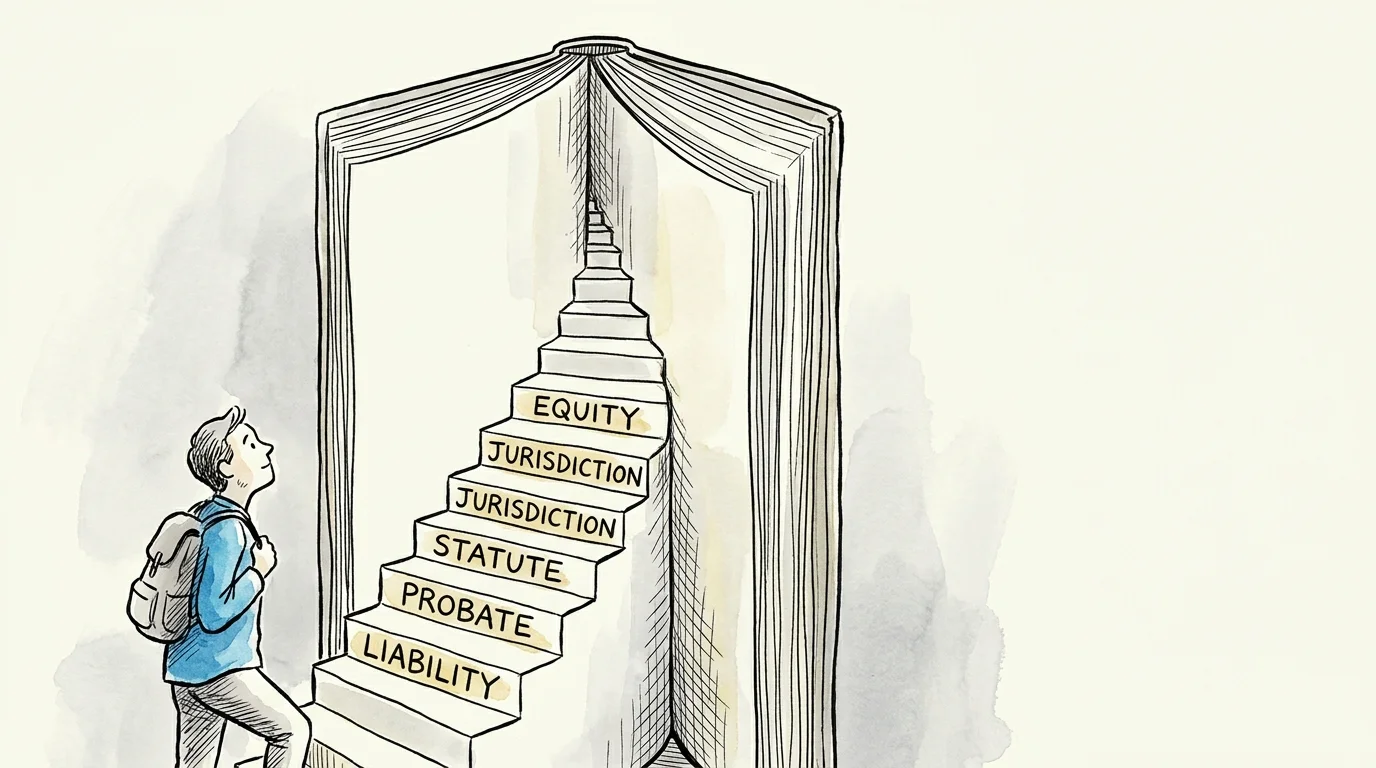
Key Concepts and Terminology Explained
Before examining the specific legal myths that mislead so many people, you need a firm grasp of the fundamental terminology used throughout the justice system. The law operates on a highly specific vocabulary. A single misunderstood word can completely alter your perception of your rights and responsibilities. Let us clarify a few foundational concepts so you can navigate these topics with absolute confidence.
Liability
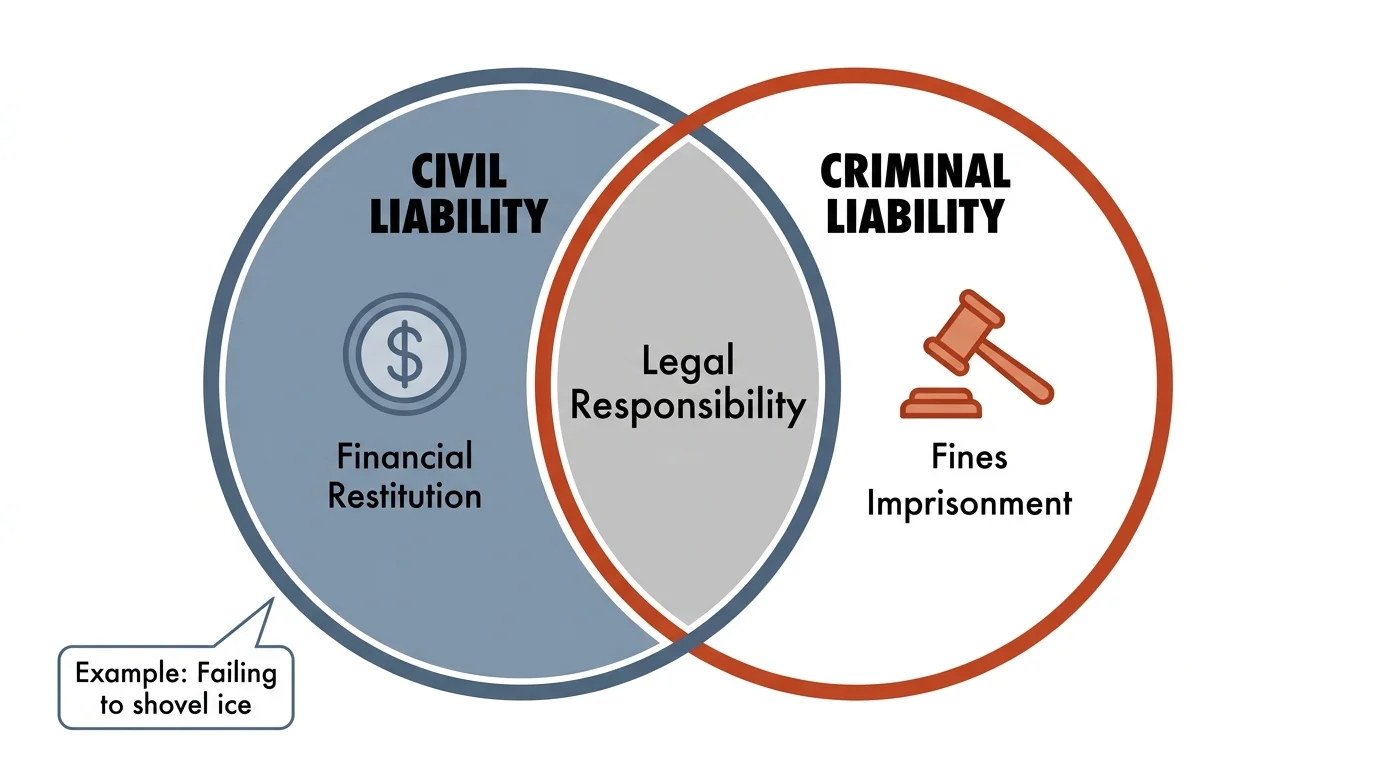
Liability simply means legal responsibility. When someone claims you are liable for an incident, they assert that you bear the legal burden for the resulting damages or injuries. This concept divides broadly into two categories: civil liability and criminal liability. Civil liability usually involves financial restitution—paying money to someone you wronged through negligence or a breach of contract. Criminal liability involves facing penalties from the state, such as fines or imprisonment, for breaking a law. Understanding liability helps you recognize why certain actions, like failing to shovel ice off your sidewalk, expose you to financial risk.
Probate
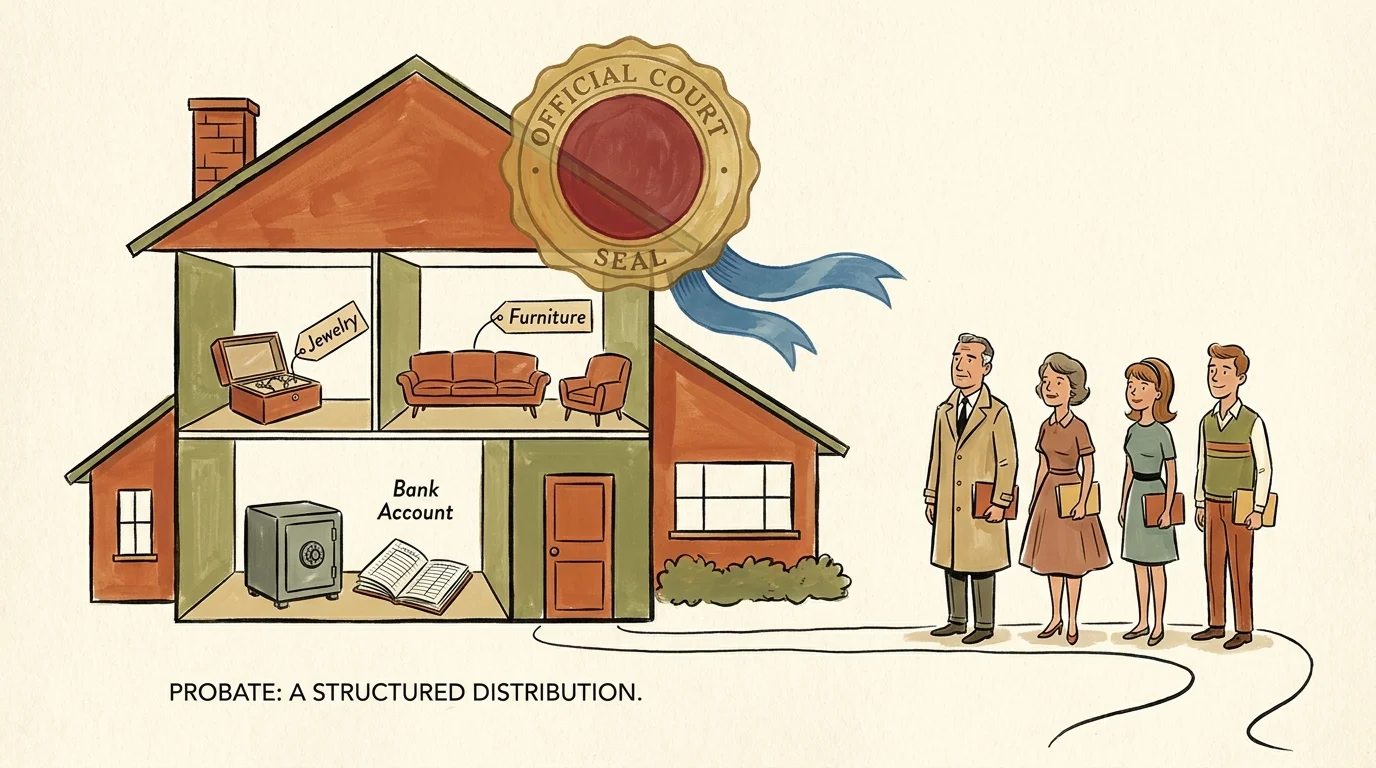
Probate refers to the court-supervised legal process of authenticating a deceased person’s will, paying off their outstanding debts, and distributing their remaining assets to the rightful beneficiaries. Many people fear probate because it can consume significant time and money, often tying up an estate for months or even years. Understanding how probate works—and how certain assets like life insurance policies or jointly owned property bypass it entirely—remains a crucial step in effective estate planning.
Statute of Limitations
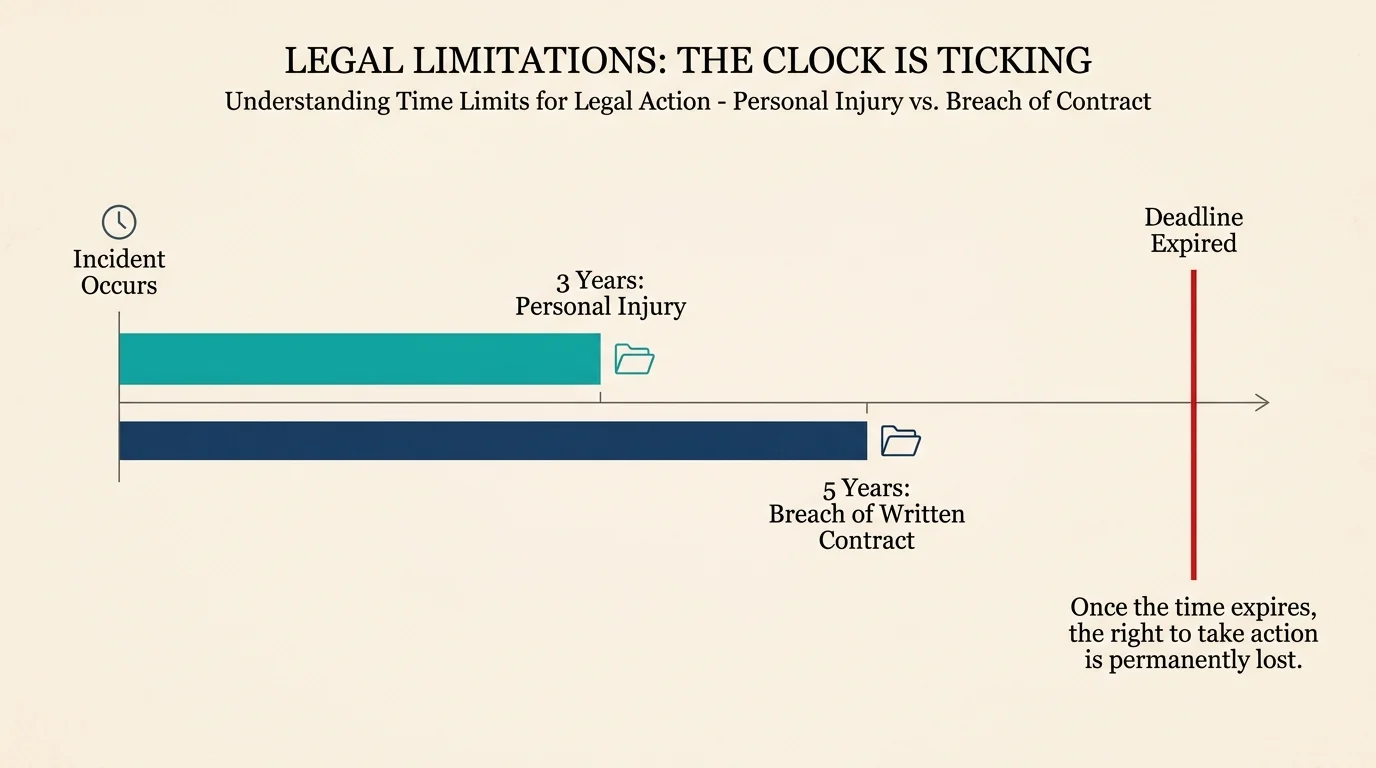
The statute of limitations sets a strict legal deadline for filing a lawsuit or pursuing a claim. Once this specific time period expires, you permanently lose the right to take legal action regarding that particular issue. These deadlines vary wildly depending on your state and the nature of the claim. For example, you might have three years to file a personal injury lawsuit but five years to sue for a breach of a written contract. Missing this window by even one day generally destroys your case.

At-Will Employment
At-will employment dictates the relationship between most American workers and their employers. This doctrine means an employer can terminate your employment at any time, for any reason, or for no reason at all—provided the reason does not violate anti-discrimination laws or breach a specific employment contract. Similarly, you possess the right to quit your job at any moment without legal penalty. Recognizing the boundaries of at-will employment helps you understand your precise rights in the workplace.
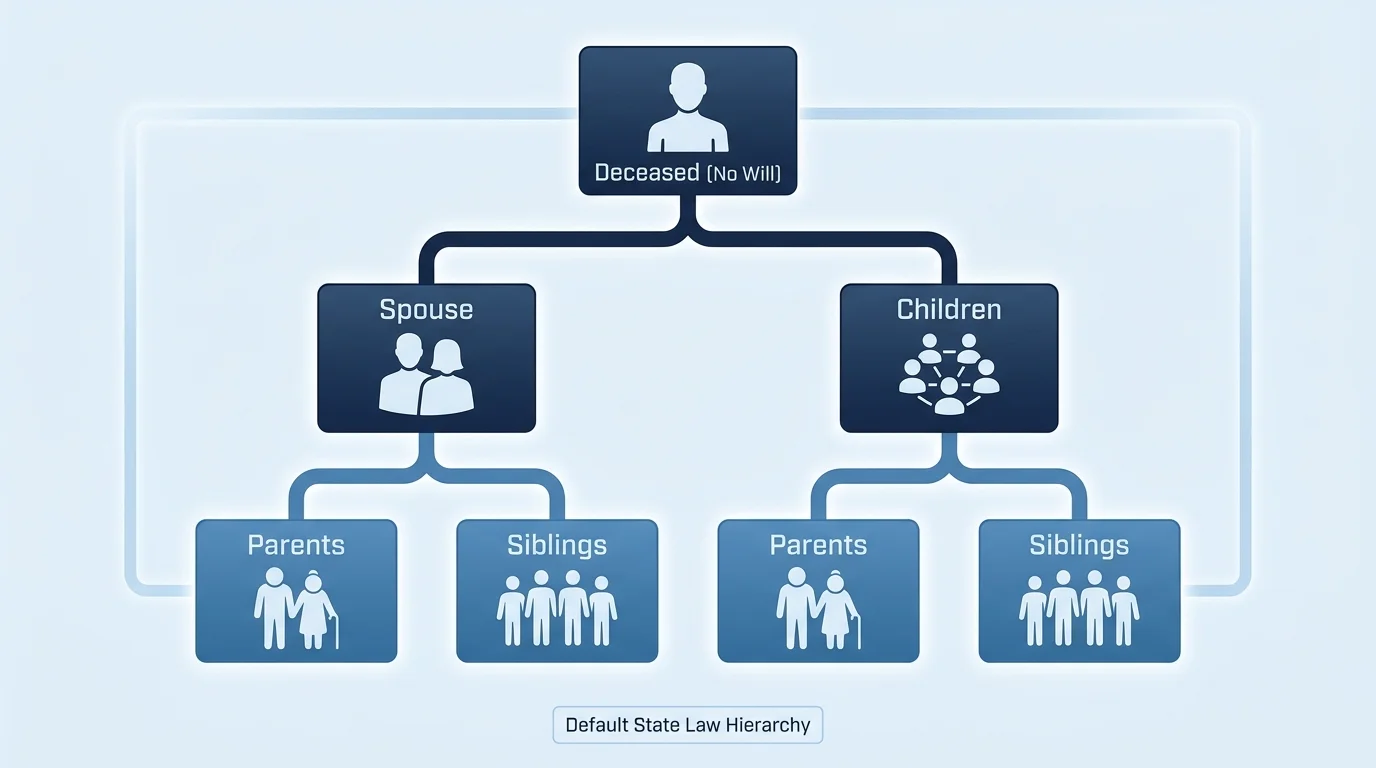
Intestate Succession
Intestate succession describes the default legal laws that dictate what happens to your property if you die without a valid will. When you pass away “intestate,” the state legislature—not a judge or your family members—decides who inherits your assets based on a strict biological and marital hierarchy. Your spouse and children typically inherit first, followed by parents and siblings. Understanding intestacy rules highlights the absolute necessity of drafting a clear, legally binding will.