
Common Mistakes and How to Avoid Them
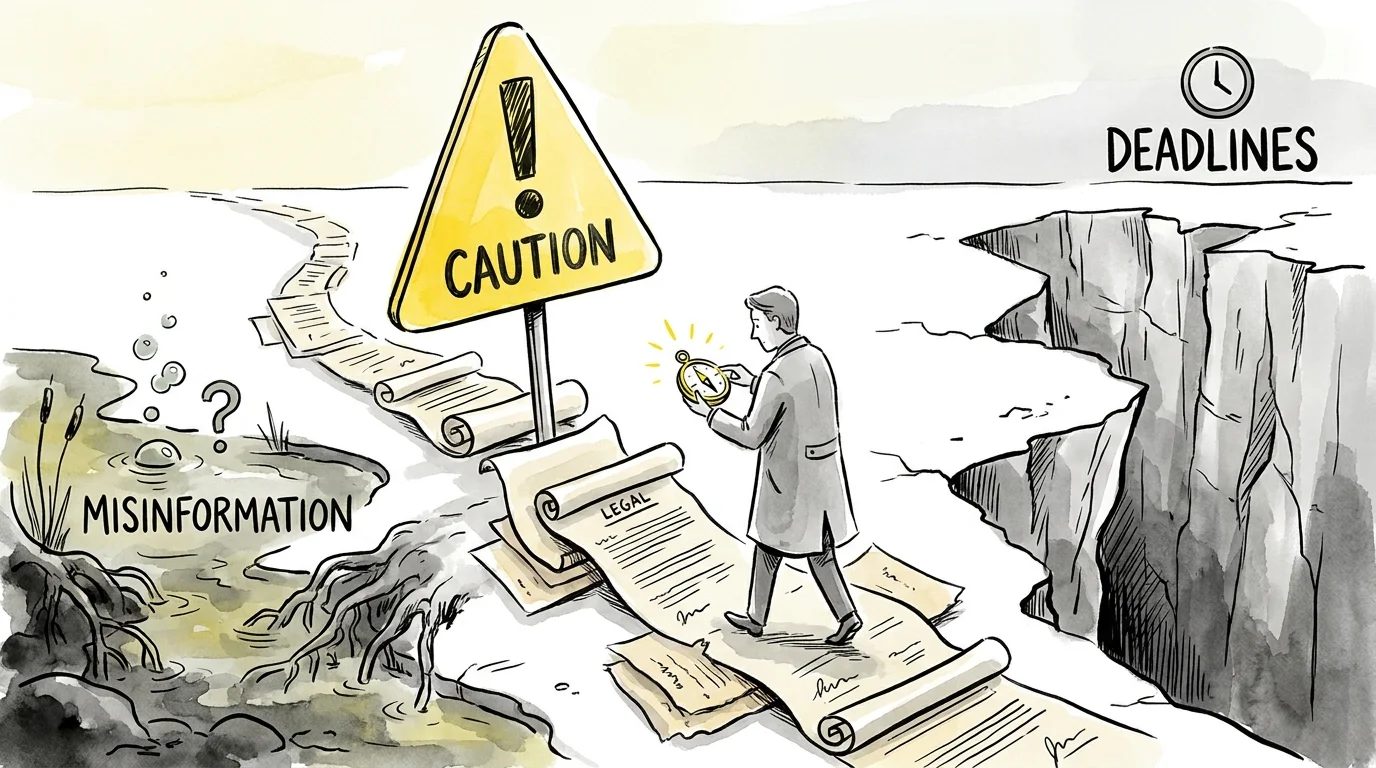
Believing legal myths represents only part of the problem. How you act on those misconceptions creates the real damage. Understanding the law requires actively avoiding the common behavioral traps that compromise your rights and drain your finances.
Mistake 1: Taking Legal Guidance from Unqualified Sources
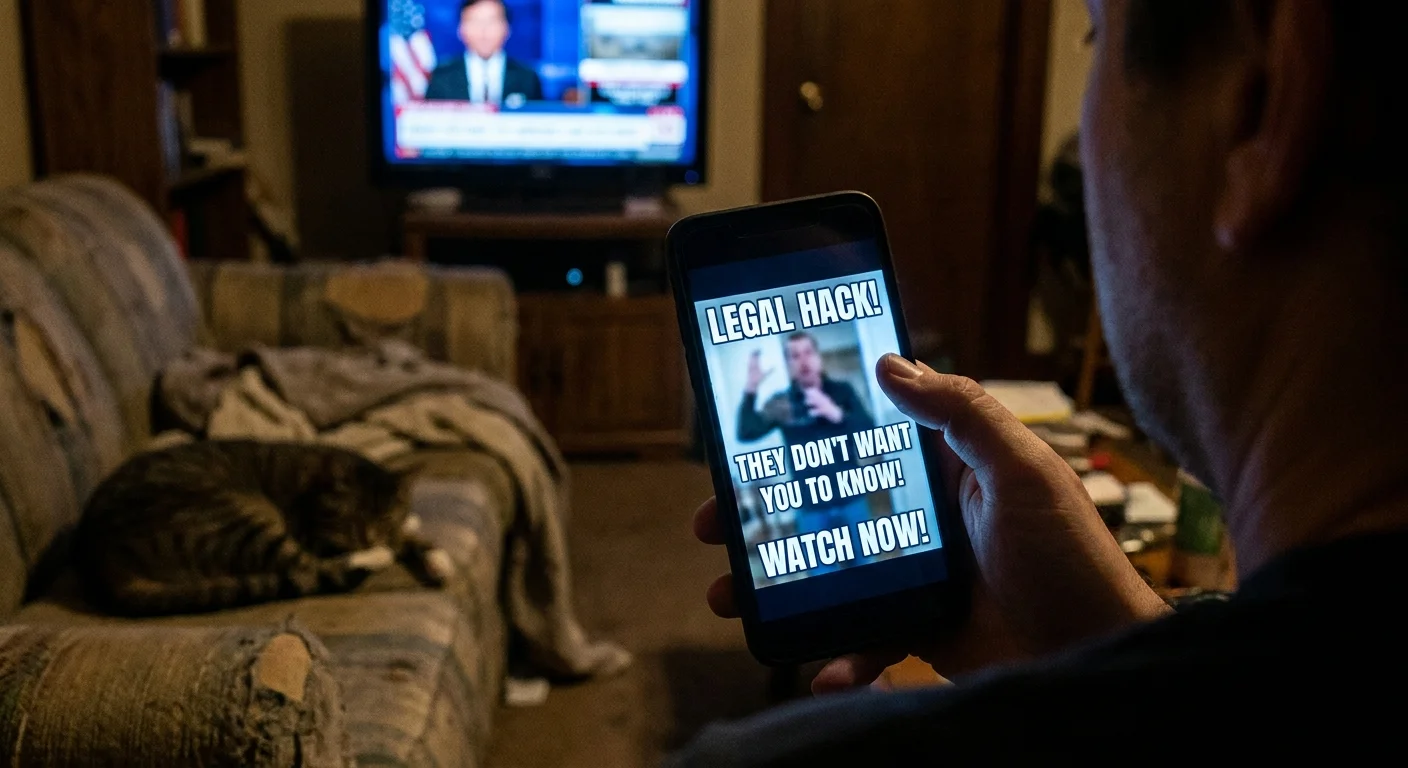
Your well-meaning neighbor, your favorite podcaster, and your uncle who once served on a jury do not qualify as reliable sources for legal strategy. Every legal situation features unique, highly specific variables. Advice that worked perfectly for a family member during their divorce might prove disastrous for your specific situation. You must separate casual opinions from professional counsel. When facing a significant legal hurdle, rely exclusively on credentialed professionals who understand the nuances of your specific case.
Mistake 2: Assuming Laws Are Uniform Across State Lines
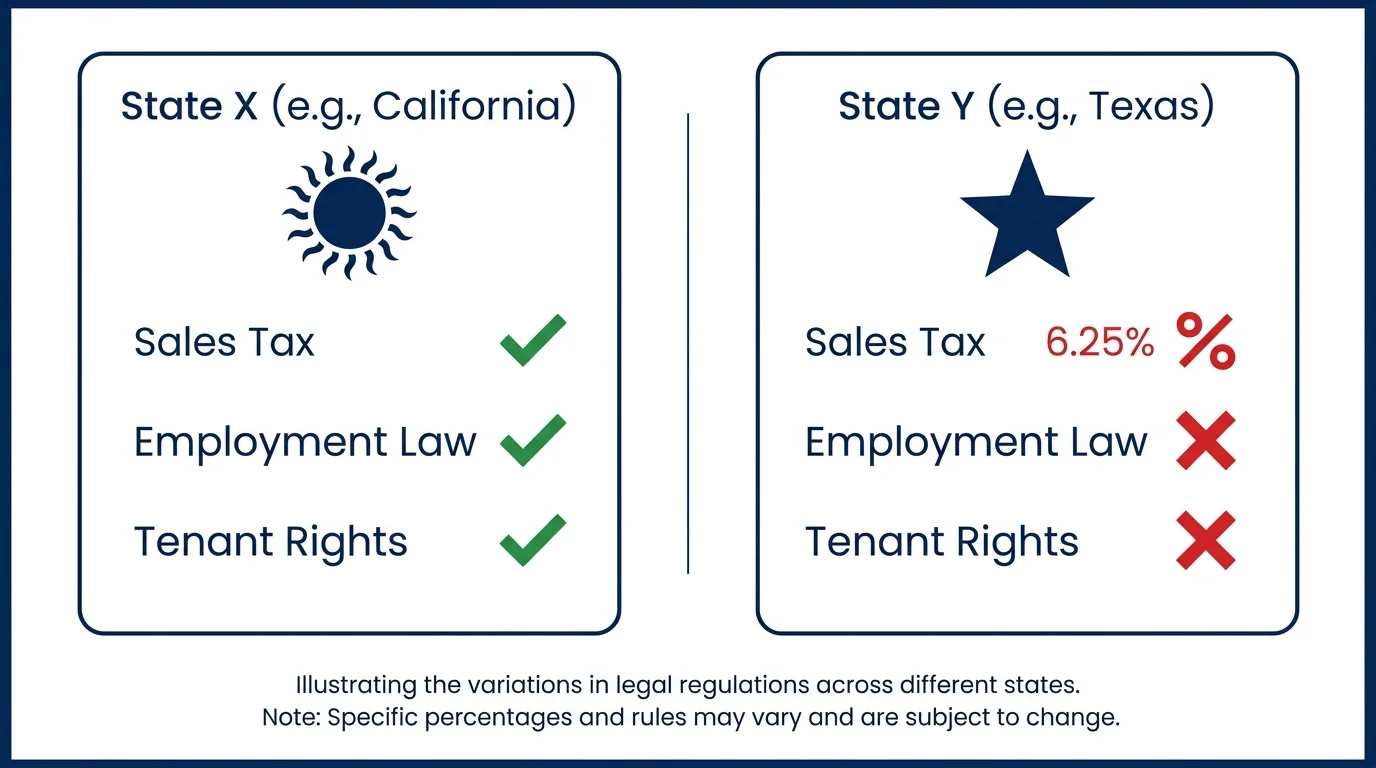
The American legal system operates on a dual structure, featuring both federal and state laws. While federal laws apply nationwide, the vast majority of issues that impact your daily life—including traffic regulations, landlord-tenant disputes, divorce proceedings, and estate planning—fall entirely under state jurisdiction. A contract provision that functions perfectly in Florida might be completely illegal and unenforceable in New York. You must always ensure that the legal forms you use and the advice you follow align specifically with the laws of the state where the dispute or transaction occurs.
Mistake 3: Waiting Too Long to Address a Dispute
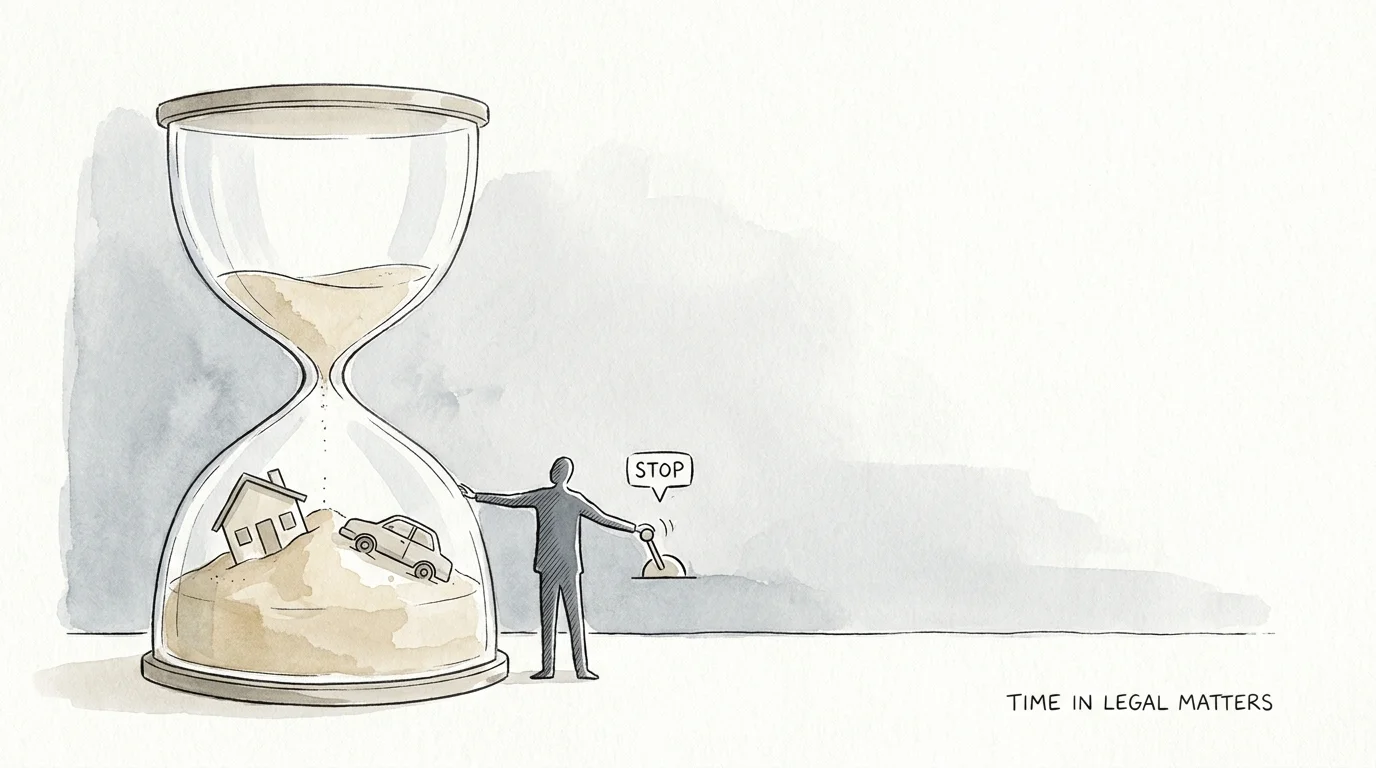
Procrastination destroys valid legal claims every single day. As discussed earlier, the statute of limitations establishes an unforgiving deadline for taking action. If you suffer an injury in a car accident or face a breach of contract, waiting to see if the situation resolves itself naturally places you at massive risk. Evidence disappears, witnesses forget crucial details, and the legal clock continuously ticks. Identifying a problem early and immediately documenting your side of the story provides you with the strongest possible foundation for a favorable resolution.

Mistake 4: Signing Documents Without Comprehending the Terms
We live in an era of rapid transactions, frequently scrolling past lengthy terms of service agreements and hastily signing financial documents. However, your signature represents a powerful legal commitment. Claiming “I didn’t read it” or “I didn’t understand the fine print” almost never serves as a valid defense in court. If a contract contains confusing jargon, vague clauses, or terms that contradict a verbal promise made by the salesperson, you must stop the transaction. Take the time to clarify the language, or have an attorney review the document, before binding yourself to potentially ruinous obligations.