Common Mistakes and How to Avoid Them
When fighting back against illegal landlord behavior, tenants often make critical procedural errors that inadvertently harm their own legal standing. Avoiding these common pitfalls ensures you remain protected under the law and maintain the upper hand in any dispute.
Mistake 1: Relying Exclusively on Verbal Communication
Having a friendly phone call with your property manager about a leaking ceiling feels productive, but it leaves zero paper trail. If the ceiling collapses a month later, the landlord can simply deny you ever informed them of the leak. You must document everything in writing. Send emails, use the official tenant portal, or mail certified letters with return receipts. A written record proves that the landlord had adequate notice of the issue and failed to act.
Mistake 2: Withholding Rent Incorrectly
When a landlord refuses to fix a major issue, a tenant’s first instinct is often to stop paying rent. Simply withholding rent without following proper legal procedures is a massive mistake that will almost certainly lead to your eviction. If you want to withhold rent over habitability issues, you must research your state’s specific “rent escrow” laws. Most states require you to deposit your full monthly rent payment into a special court-administered escrow account. This proves to a judge that you possess the funds and are simply withholding them to force compliance, rather than withholding rent because you are broke.
Mistake 3: Abandoning the Property Without Documentation
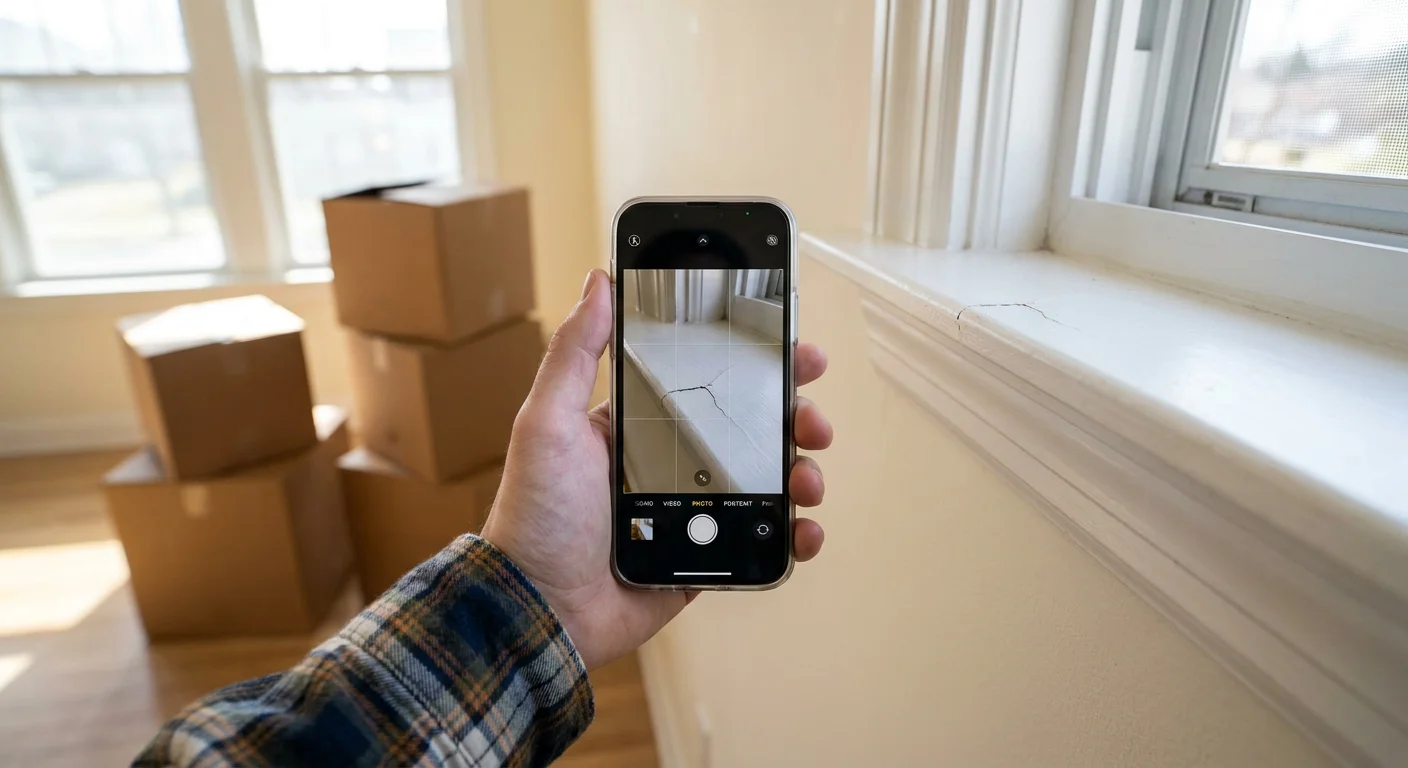
If you break your lease due to constructive eviction—meaning the property became completely unlivable—you cannot just pack your bags and disappear. You must provide the landlord with formal written notice detailing exactly why you are leaving, citing the specific uncorrected habitability issues. Before handing over the keys, take extensive video evidence of the property’s condition. If the landlord attempts to sue you for the remainder of the lease term, this documentation will serve as your primary defense in court.
Mistake 4: Making Repairs Without Proper Notice
While some states allow “repair and deduct” strategies—where you pay for a repair out of pocket and subtract the cost from your next rent check—you must follow strict statutory guidelines. You generally cannot execute this strategy for cosmetic issues, and you must give the landlord adequate written warning and a reasonable timeframe to fix the problem themselves first. Failing to follow these steps precisely allows the landlord to hit you with a late rent notice for the deducted amount.