

When to Consult a Professional
Recognizing the limits of your own legal and financial knowledge is a crucial part of successfully managing an estate. While you may be highly competent in your own career, estate administration requires deeply specialized expertise. Building a team of trusted professionals ensures the estate is settled legally, efficiently, and with maximum financial benefit to the surviving family.
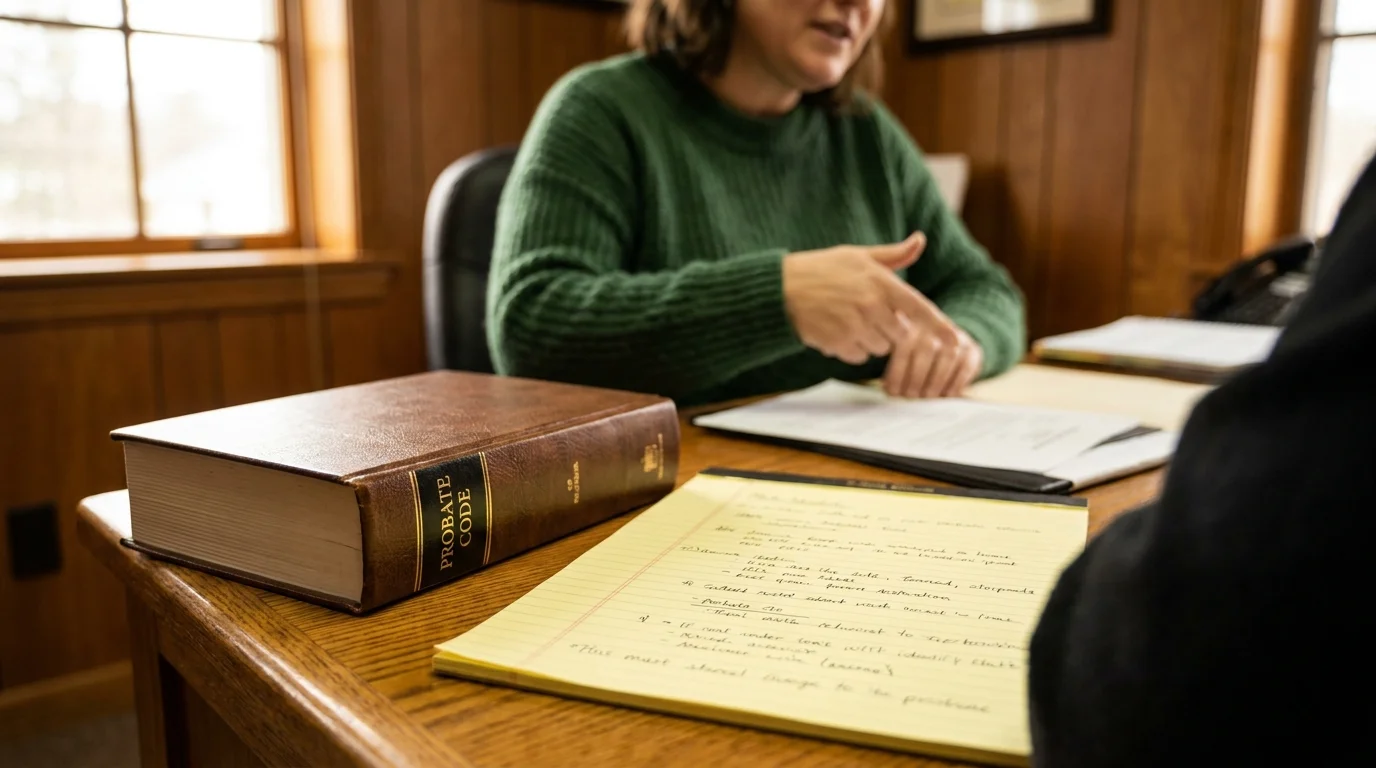
The Probate Attorney
A probate attorney is your primary advocate and legal guide. You should absolutely hire an attorney if the estate involves complex assets like a family-owned business, commercial real estate, or properties located in multiple states. Furthermore, if you anticipate any hostility or legal challenges from disinherited relatives, having an attorney act as a buffer is essential. They will handle all court filings, ensure proper legal notices are published for creditors, and draft the final accounting documents that formally release you from your fiduciary duties.

The Certified Public Accountant (CPA)
Estate taxation is notoriously complex and highly punitive if mistakes are made. Even if your parent’s estate is not large enough to trigger massive federal estate taxes, you still face significant tax obligations. You must file a final personal income tax return for the year your parent died. Furthermore, if the estate generates any income while undergoing the probate process—such as rent collected from residential tenants or dividend payouts from a stock portfolio—you must file a separate fiduciary income tax return (Form 1041) for the estate itself. A specialized CPA ensures these strict IRS deadlines are met and helps identify highly beneficial tax strategies. For example, they can help you determine the “step-up in basis” for inherited real estate, a vital tax provision that can save your family thousands of dollars in future capital gains taxes when you eventually sell the property.

The Real Estate Professional
If your parent owned a home, selling it is often the most labor-intensive and emotional part of the probate process. An experienced real estate agent who understands the specific nuances of probate sales is an invaluable asset. Probate property sales sometimes require formal court approval before the transaction can legally close, and a specialized agent understands how to navigate these specific timelines and contract addendums. Furthermore, you will likely need a professional appraiser to establish the exact fair market value of the property on the exact date of your parent’s death, which is an essential figure for both court reporting requirements and federal tax calculations.