
Common Mistakes and How to Avoid Them
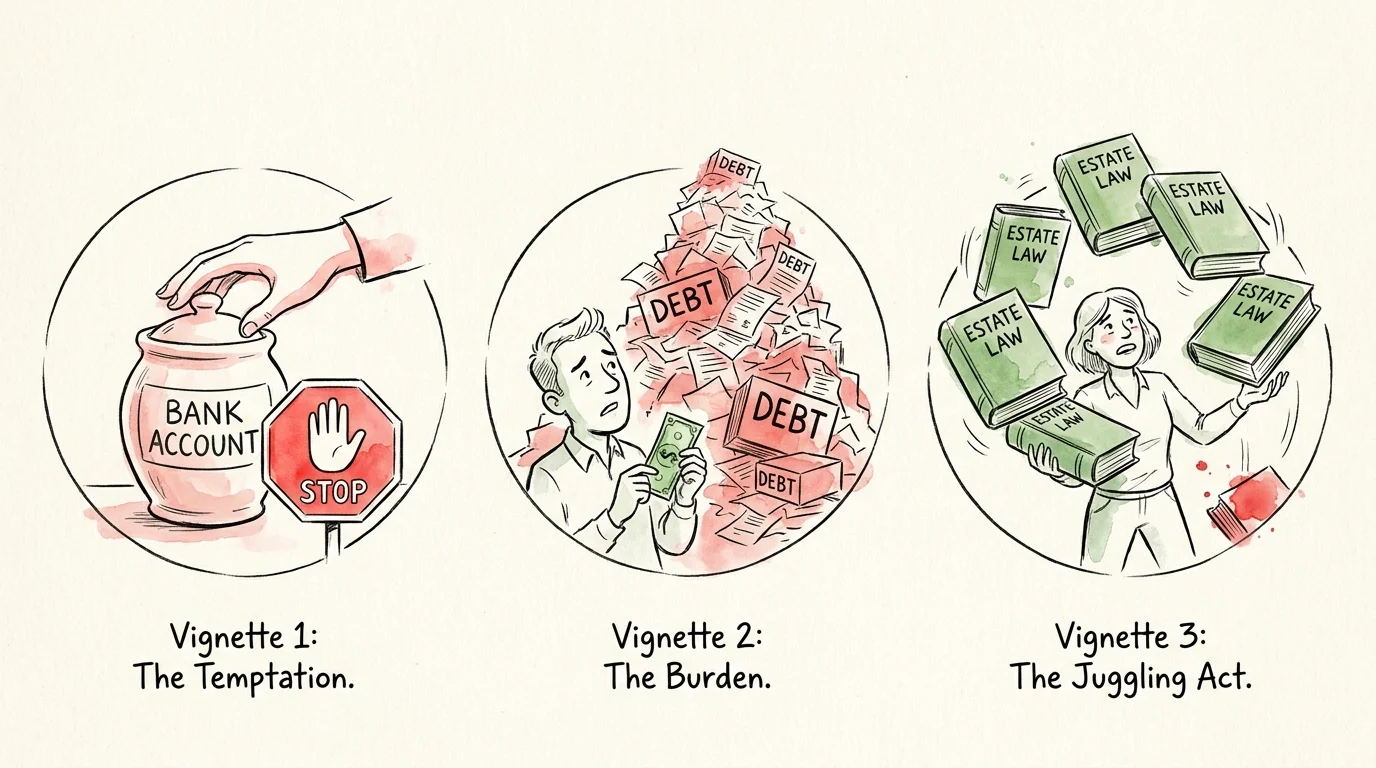
Even well-intentioned families can accidentally run afoul of probate laws. The pressure to settle affairs quickly often leads to impulsive decisions that create massive legal liabilities. By recognizing these seven prevalent mistakes, you can proactively protect the estate and ensure a smooth transition of assets.

Mistake 1: Paying Your Parent’s Debts With Your Own Money
When the medical bills, utility notices, and credit card statements start rolling in, your immediate instinct might be to write a check from your personal bank account just to make the aggressive letters stop. You must resist this urge. Your parent’s debt belongs exclusively to their estate; it does not automatically transfer to you or your siblings. Debt collectors are highly skilled at applying psychological pressure, sometimes implying that honoring your parent’s memory means paying off their outstanding balances. Do not let them guilt you into opening your own wallet. If the estate does not hold enough money to cover its liabilities—a situation known as an insolvent estate—the creditors simply take the financial loss. By paying a debt out of your own pocket, you essentially hand over a voluntary gift to a massive corporation. You are rarely legally required to assume these debts unless you explicitly co-signed the loan or hold a joint credit account. Simply inform all creditors that the estate is entering the probate process and direct future communication to the executor.

Mistake 2: Emptying Bank Accounts Without Court Authorization
Many adult children maintain access to their aging parents’ bank accounts, often holding the online login credentials to help pay monthly bills. When a parent dies, it seems entirely logical to simply log in and transfer the remaining funds to a safe place, or to use that money to pay for the funeral reception. Doing so is a significant legal misstep. The moment your parent passes away, any individual power of attorney instantly expires, and unauthorized access to their financial accounts technically constitutes fraud. Unless you are legally listed as a joint account owner or a designated “payable on death” beneficiary, you have absolutely no legal right to touch that money until the probate court officially appoints you as the executor. Financial institutions actively monitor the national death registry; when they discover an account holder has died, they immediately freeze the assets. If you have already moved the money without authorization, you could face severe legal penalties, and the bank will demand immediate restitution.
Mistake 3: Distributing Assets Before Paying Creditors and Taxes
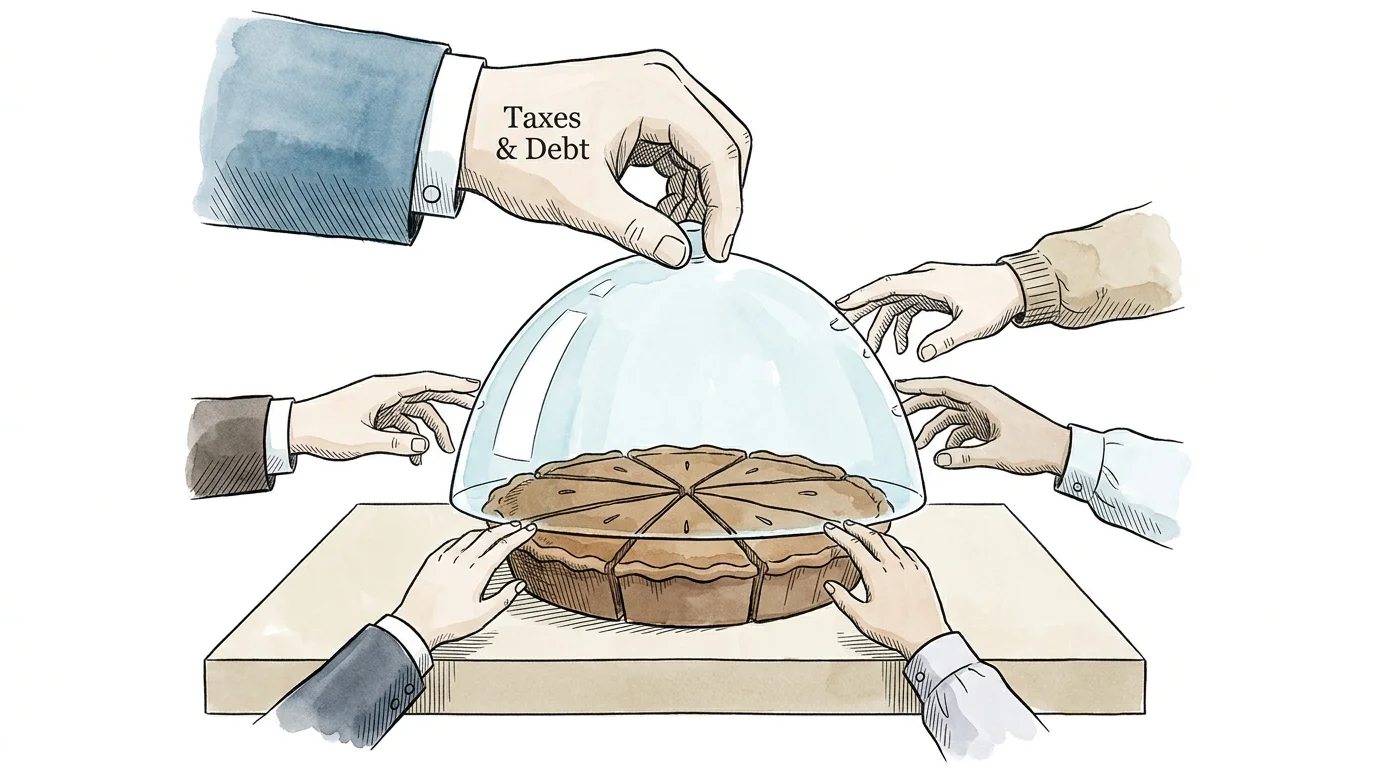
After the funeral, family members often want to take sentimental mementos from the house, or you might want to quickly divide the cash so everyone can move forward with their lives. Distributing assets too early is perhaps the most dangerous financial error an executor can make. By law, the estate must settle all valid debts, finalize taxes, and pay administrative expenses before the beneficiaries receive a single penny. If you hand out the inheritance early and the IRS later demands back taxes, or the hospital sends a massive final medical bill, you cannot simply tell them the money is gone. As the executor, you become personally liable for covering that financial shortfall. You would have to claw back the money from your family members—which is often impossible—or pay the debt from your own personal savings. The safest approach is to hold all physical and liquid assets securely until the statutory creditor claim period officially expires.

Mistake 4: Failing to Secure Physical and Digital Assets
In the fog of grief, families naturally focus on the emotional toll and neglect the physical security of the deceased parent’s home. Vacant properties are prime targets for neighborhood burglars, and sadly, opportunistic relatives sometimes let themselves in to take jewelry, electronics, or cash before an official estate inventory can be taken. Your immediate duty is to secure the property. Change the locks on the exterior doors immediately, forward the mail to the executor’s address, and ensure the property insurance premiums are paid so the policy remains active. Furthermore, failing to secure digital assets quietly drains the estate’s resources. Modern consumers maintain dozens of auto-renewing subscriptions, ranging from streaming services and software licenses to gym memberships and premium delivery apps. These recurring charges will steadily siphon thousands of dollars from the checking account if left unchecked. You must actively track down these digital subscriptions and cancel them as soon as you gain the legal authority to do so.
Mistake 5: Neglecting to Order Sufficient Death Certificates
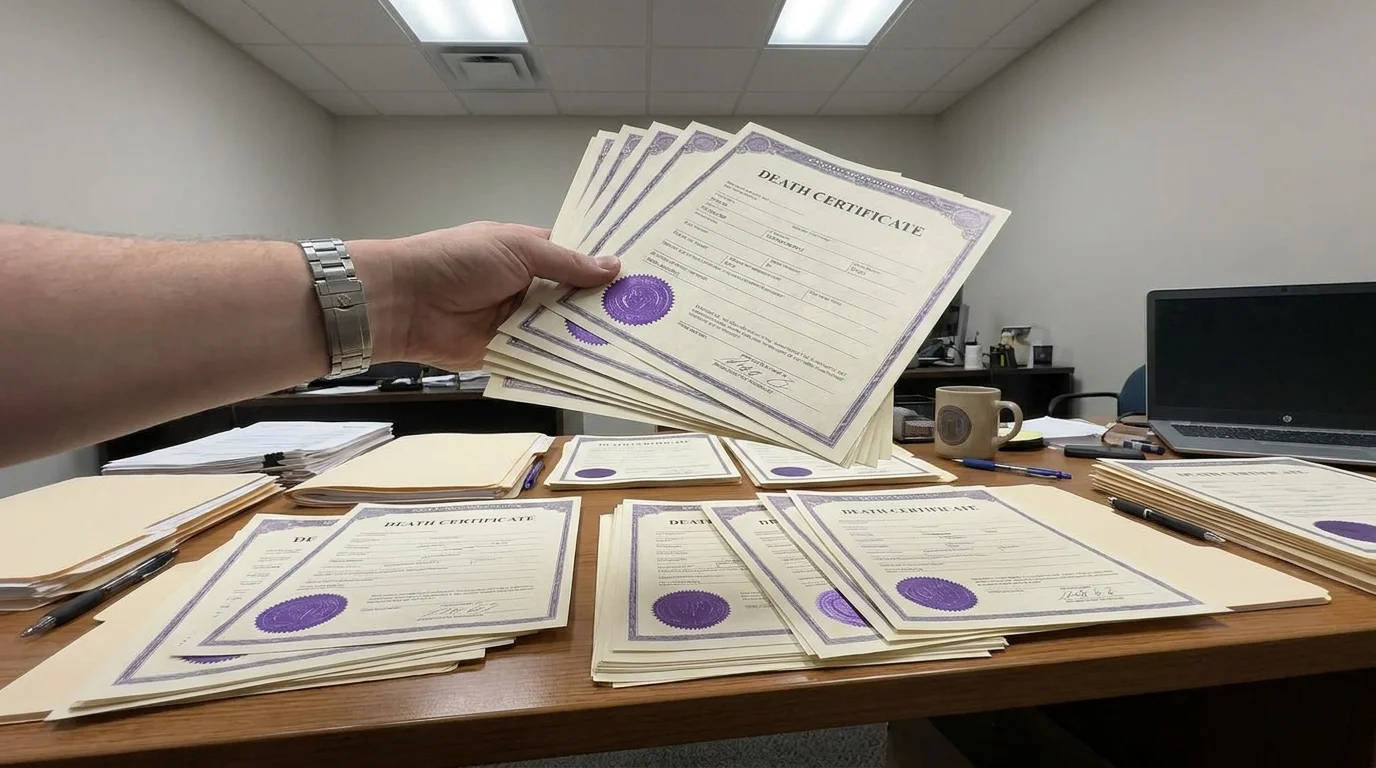
This logistical error catches almost every first-time executor completely off guard. To close a bank account, claim a life insurance policy, transfer the title of a vehicle, or notify a credit bureau, you must conclusively prove that your parent has passed away. Almost every financial institution and government agency demands an original, state-issued death certificate featuring a raised seal or special watermark. A simple black-and-white photocopy will not suffice. Families frequently order two or three copies from the funeral director, only to run out during the first week of administrative tasks. Ordering additional copies directly from the county or state vital records office later takes considerable time, halting your progress and dragging out the settlement process. Save yourself the frustration and order at least ten to fifteen original copies immediately. If your parent held numerous physical stock certificates, owned properties in multiple states, or maintained highly fragmented financial accounts, you might even need twenty copies. Any unused certificates can simply be kept for your personal archives, and the upfront cost is entirely justified by the time saved.

Mistake 6: Hiding or Altering the Will
The contents of a last will and testament can trigger intense emotional reactions. If a parent unexpectedly disinherits a child, leaves the bulk of their estate to a new spouse, or donates heavily to a charity, disappointed family members might be tempted to suppress the document. Sometimes, individuals rationalize hiding a new will simply because they prefer the financial terms of an older version. Intentionally hiding, altering, or destroying a valid will is a serious crime that carries severe legal penalties, including potential jail time and total forfeiture of any future inheritance. Even if you strongly believe the will is inherently unfair, or if you suspect your parent lacked the mental capacity to sign it, you must file it with the probate court. The courtroom is the only appropriate venue to contest a document’s validity. Transparency is entirely non-negotiable; present the legal documents exactly as you found them and let the judicial system handle any resulting disputes.
Mistake 7: Trying to Handle a Complex Estate Completely Alone
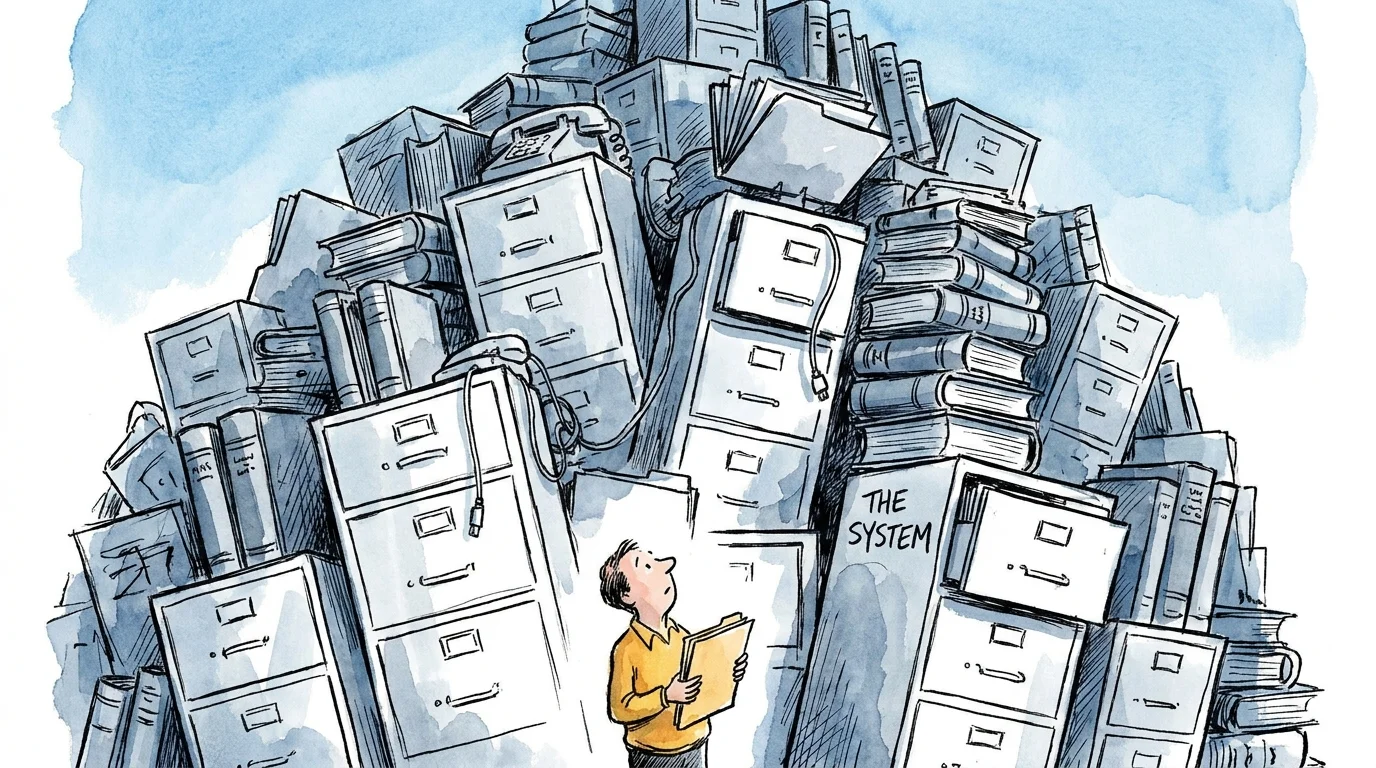
Estate settlement is not a casual weekend project; it is a rigid legal procedure governed by strict deadlines, complex tax codes, and unforgiving local court rules. Families often try to manage the entire process themselves to avoid paying attorney fees, operating under the assumption that a straightforward will guarantees a straightforward probate experience. Unfortunately, minor administrative errors frequently snowball into massive financial liabilities. Filing the wrong tax form, missing a mandatory creditor notice deadline, or incorrectly transferring a real estate deed can ultimately cost the estate tens of thousands of dollars and drag the legal process out for years. An experienced probate attorney acts as your professional guide, ensuring strict compliance with state laws and insulating you from personal liability. The attorney’s fees are almost always paid directly out of the estate’s funds, not from your personal pocket. Attempting a fully do-it-yourself approach for anything more than the absolute simplest, smallest estates is a false economy that usually ends in costly, highly stressful litigation.