A Practical Guide to Free Legal Services Available to Seniors in Every State
Securing free legal help requires knowing exactly where to look and how to prepare for your initial consultation. The network of free legal services is vast, but it is distributed across various local, state, and national organizations. By following a structured approach, you can cut through the bureaucratic red tape and find the legal advocate you need.
Step One: Locate Your Area Agency on Aging (AAA)
Your first and most effective point of contact should be your local Area Agency on Aging. Because the Older Americans Act funds legal services locally, your AAA acts as a central hub for senior assistance. They maintain directories of contracted legal providers who handle cases for residents aged 60 and over. You can find your local agency by utilizing the Eldercare Locator, a public service provided by the U.S. Administration on Aging. Simply call their toll-free number or visit their website, provide your zip code, and they will connect you directly to the office serving your county.
Step Two: Contact the Legal Services Corporation (LSC)
The Legal Services Corporation is an independent nonprofit established by Congress to provide financial support for civil legal aid to low-income Americans. LSC funds 131 independent nonprofit legal aid programs with more than 800 offices across every state. While these offices serve all age groups, they often have dedicated elder law units. When you contact an LSC-funded office, they will conduct a brief intake interview over the phone to evaluate your financial eligibility and the nature of your legal problem. If they cannot take your case, they frequently provide referrals to other local resources.
Step Three: Explore Law School Clinics and State Bar Associations
If traditional legal aid agencies are at capacity, look toward educational and professional institutions. Many university law schools operate elder law clinics where advanced law students provide free representation under the strict supervision of licensed professors. These clinics offer exceptional, detailed attention to your case. Furthermore, your state or county bar association likely runs a pro bono project or a senior legal hotline. These hotlines allow you to speak briefly with a volunteer attorney who can offer immediate advice, help you draft basic letters, or direct you to further representation.
Understanding the Types of Cases Covered
Free legal programs do not handle every type of legal issue. Because their funding is limited, they prioritize cases that threaten your basic survival, independence, and dignity. If you face any of the following situations, you are highly likely to secure assistance:
- Housing and Eviction Prevention: If a landlord issues an unfair eviction notice, refuses to make essential repairs, or illegally locks you out, legal aid can intervene. They also assist with foreclosure prevention and property tax disputes that threaten your primary residence.
- Income Maintenance: Navigating federal benefits requires specialized knowledge. Legal aid attorneys frequently help seniors appeal unfair denials or reductions in Social Security, Supplemental Security Income (SSI), and veterans benefits. If the government claims they overpaid you and demands money back, a lawyer can help you request a waiver.
- Healthcare Coverage: Denials of care under Medicare and Medicaid are common. If your insurance refuses to pay for a necessary medication, physical therapy, or a transition to a nursing facility, legal services can manage the appeals process to ensure you receive your federally protected medical rights.
- Consumer Protection and Fraud: Seniors are frequent targets for predatory lending, telemarketing scams, and abusive debt collection practices. Free legal counsel can help you freeze your credit, stop harassing phone calls from collection agencies, and potentially recover funds lost to documented scams.
- Basic Estate Planning: Many local clinics host specialized “wills events” where volunteer attorneys help seniors draft simple wills, healthcare proxies, and powers of attorney at no cost. This ensures your retirement resources are distributed according to your wishes.
How to Prepare for Your Legal Intake
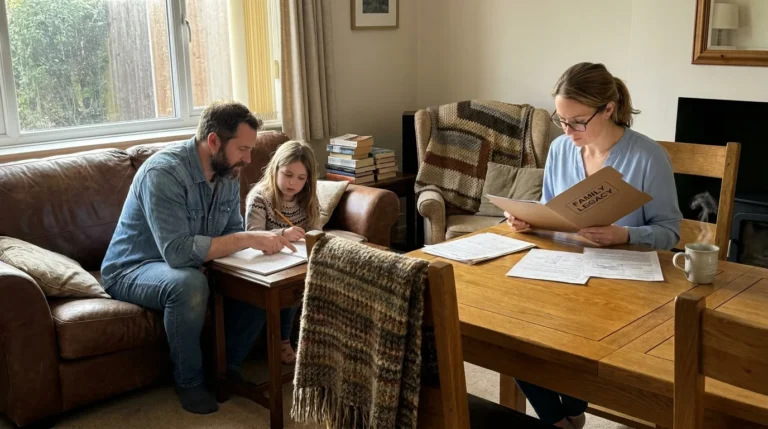
When you secure an appointment with a legal aid worker or volunteer attorney, your preparation dictates how quickly they can assist you. Lawyers rely entirely on evidence. Before your meeting, gather every document related to your issue. If you are fighting an eviction, bring your lease, rent receipts, and any written notices from your landlord. If you are disputing a medical bill, bring the invoice, your insurance card, and the explanation of benefits. Organize your paperwork chronologically and write down a brief timeline of events. Having a clear, concise summary of your problem allows the attorney to spend your consultation solving the issue rather than piecing together the basic facts.