
Common Mistakes and How to Avoid Them
Navigating the legal system is inherently complex, and the stress of a looming dispute often leads to missteps. When seeking free legal help, avoiding these common errors will ensure your case moves forward smoothly and that you do not inadvertently surrender your rights.
Assuming You Make Too Much Money to Qualify
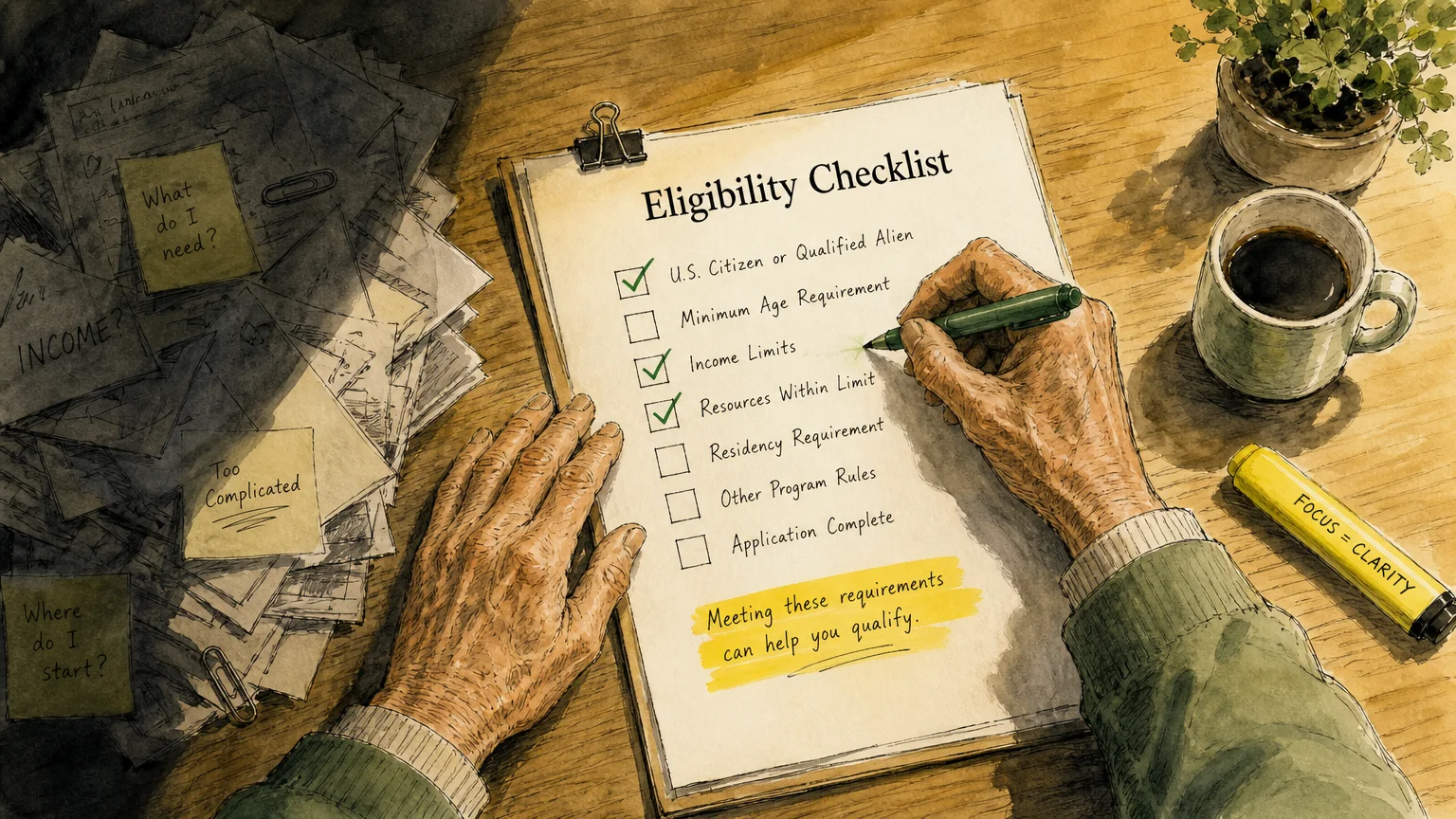
The most frequent mistake seniors make is self-disqualifying. Many older adults believe that because they own a home or receive a decent pension, they cannot utilize free legal services. While general legal aid societies heavily rely on means testing, programs funded specifically under the Older Americans Act target social and economic need, not just strict poverty. An elder abuse victim or a senior facing a sudden, catastrophic healthcare denial often qualifies for assistance regardless of their bank account balance. Always apply and let the agency make the determination.
Ignoring Court Documents or Deadlines
Legal issues do not disappear when ignored; they escalate rapidly. If you receive a summons, a notice of a hearing, or a benefits denial letter, the clock starts ticking immediately. Many legal responses require action within 10 to 30 days. If you wait to seek help until the day before a hearing, even the most skilled attorney will struggle to assist you. Failing to respond to a court summons results in a default judgment, meaning the judge automatically rules in favor of the person suing you. Contact legal aid the moment you receive official paperwork.
Mixing Civil and Criminal Legal Matters
As noted in the key concepts, free legal aid societies handle civil matters. Attempting to use these services for a criminal issue wastes valuable time. If you or a family member face criminal charges, you must request a public defender through the criminal court system. Legal aid cannot help you with traffic tickets, misdemeanor charges, or felony defense.
Falling for Legal Lookalike Scams
Unfortunately, bad actors prey on seniors seeking assistance. You might receive mailings or see online advertisements promising “free government legal help” that eventually demand a processing fee, a retainer, or your credit card information. Legitimate, federally funded legal aid organizations will never ask you for a credit card to secure a consultation or process an application. Verify any organization through your local Area Agency on Aging or the state bar association before handing over personal information.
Relying on Outdated or Anecdotal Advice
Friends and family often mean well when they offer legal advice based on their own past experiences. However, state laws regarding estates, housing, and consumer rights change frequently. What worked for your neighbor five years ago could be disastrous for you today. Use your community for emotional support, but rely exclusively on qualified legal professionals to interpret the law and guide your actions.