
You can save hundreds of dollars each year simply by understanding consumer protection laws and hidden store policies. Retailers count on customer silence, but learning how return systems operate puts financial leverage back in your hands.
Store policies often seem rigid and absolute at first glance. However, state disclosure statutes, cardholder protections, and commercial warranty mandates provide powerful consumer remedies when retail purchases disappoint.
Mastering these smart return strategies transforms how you shop, resolve merchant disputes, and safeguard your household budget. Discover the essential return mechanisms that major brands prefer you never explore.
Key Concepts and Terminology Explained
Understanding retail terminology helps you navigate customer service counters with confidence. When you know the formal legal concepts, store managers take your return requests seriously.
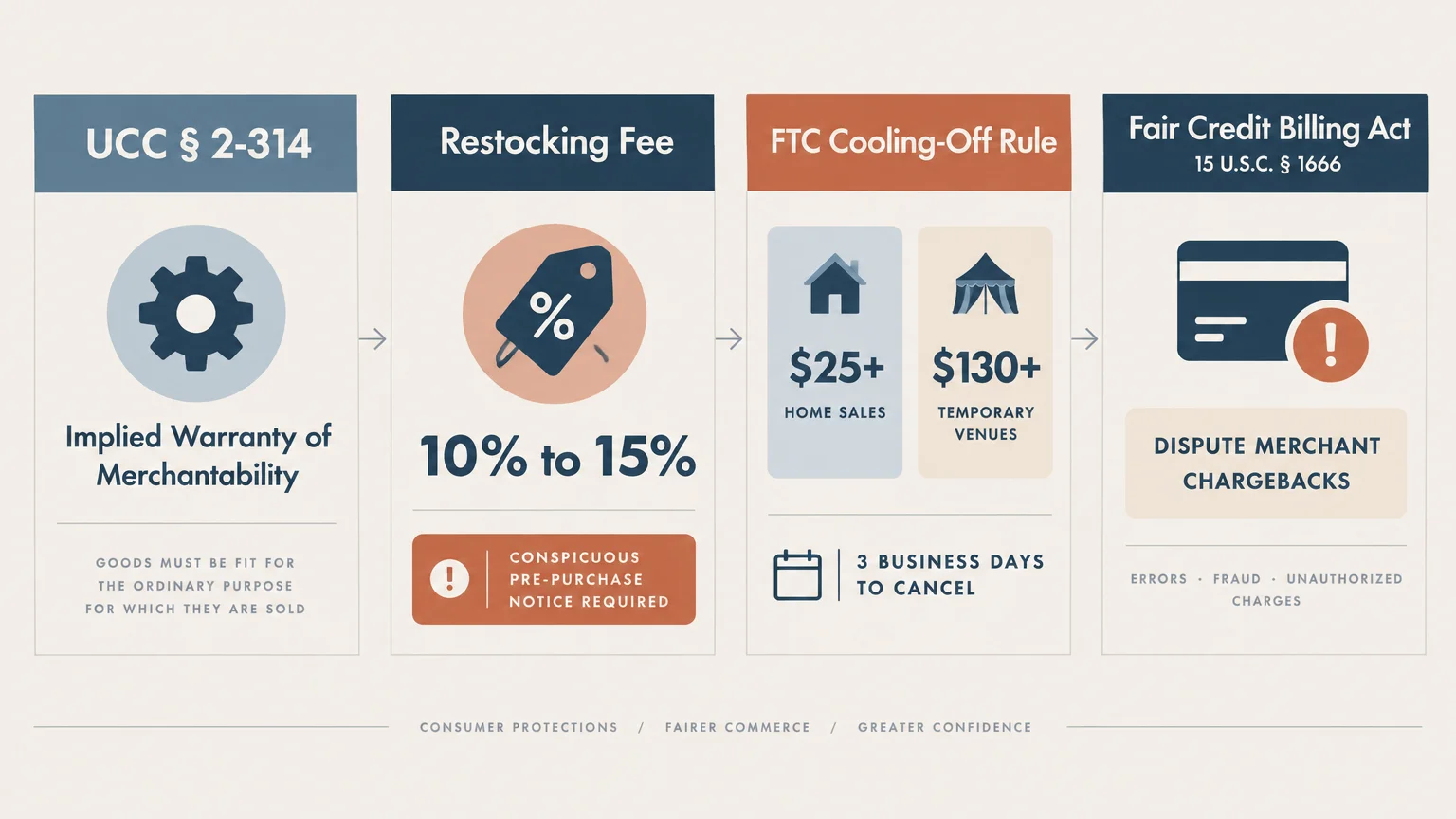
The Implied Warranty of Merchantability is a legal guarantee established under Uniform Commercial Code (UCC) § 2-314. It guarantees that goods sold by a merchant are fit for their ordinary purpose.
This statutory protection exists automatically in almost every state. It functions regardless of whether a retailer offers a written warranty.
A Restocking Fee is an administrative charge deducted from your refund when returning opened merchandise. Electronics retailers frequently charge 10% to 15% to cover repackaging costs.
However, state regulations often require stores to disclose these fees conspicuously before purchase. If a retailer fails to post restocking terms visibly, they cannot legally enforce them against you.
Third-Party Return Tracking refers to automated risk-scoring software deployed by major national chains. Companies like Appriss Retail track your transaction history across independent retailers to detect return abuse.
These databases assign risk scores based on return frequency, dollar amounts, and missing receipts. High scores trigger automated cashier denials, even if you possess legitimate proof of purchase.
The FTC Cooling-Off Rule (16 C.F.R. Part 429) protects consumers who make purchases away from a seller’s permanent place of business. It provides three business days to cancel sales of $25 or more at home.
It also covers sales of $130 or more at temporary locations like convention halls. However, it does not apply to traditional brick-and-mortar storefronts or everyday online retail purchases.
The Fair Credit Billing Act (15 U.S.C. § 1666) protects cardholders against unfair billing practices. It establishes a formal mechanism to dispute charges when merchants fail to deliver promised refunds.
A Practical Guide to 12 Store Return Tricks Retailers Wish Customers Didn’t Know
Retailers design customer service desks to protect corporate profit margins. Using these practical retailer return loopholes ensures you receive every cent you deserve.
1. Unposted Policies Default to Generous State Statutes
Retailers must strictly disclose their return limitations to make them legally binding. Several states enact powerful statutes that protect consumers when stores fail to post clear signs.
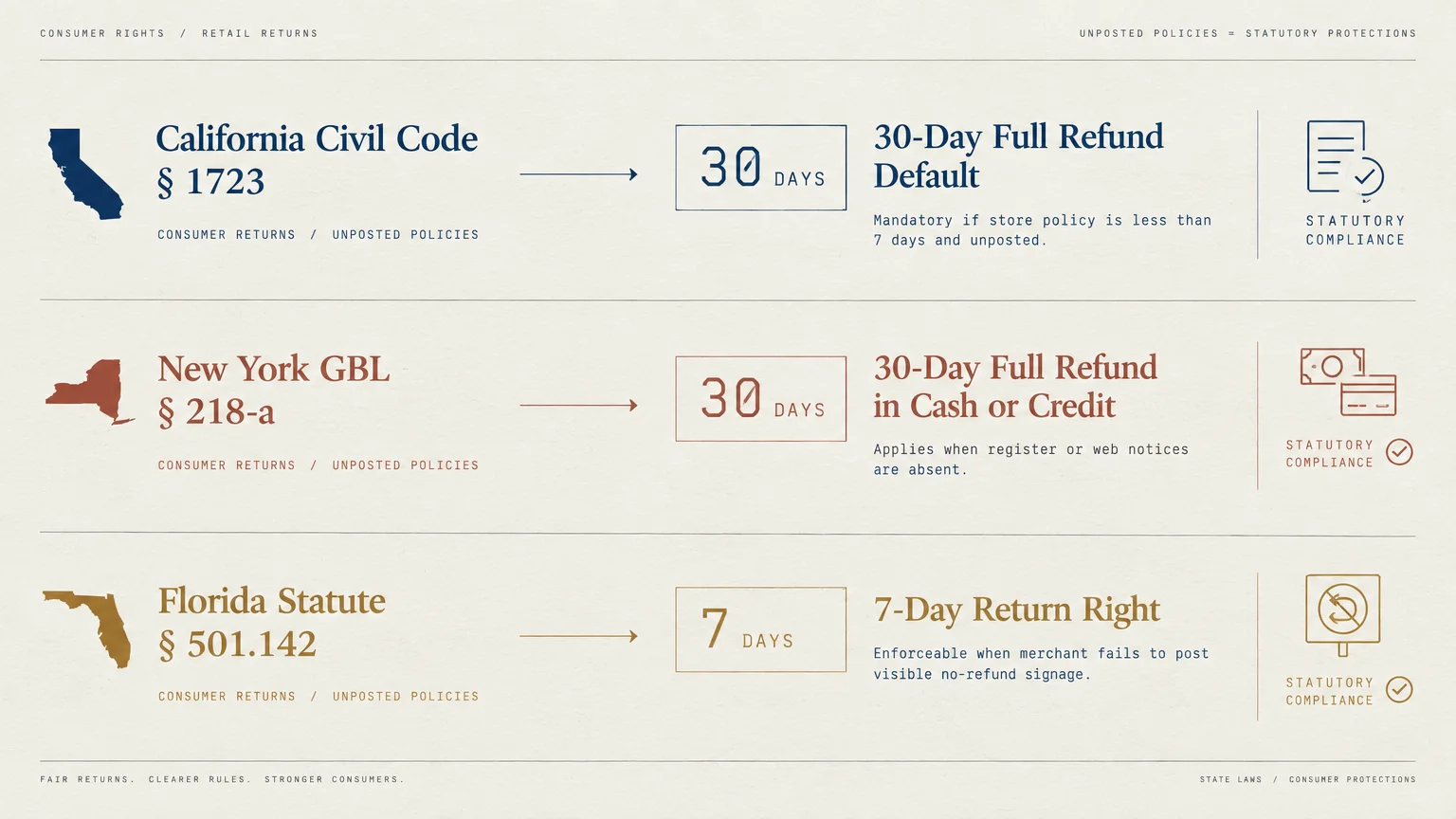
Under California Civil Code § 1723, stores offering less than a seven-day refund period must post their policy conspicuously. If they fail to display it, you are legally entitled to a full refund within 30 days.
New York General Business Law § 218-a requires sellers to post policies on registers and websites. Without conspicuous notices, New York shoppers have 30 days to obtain a full refund in cash or credit.
Florida Statute § 501.142 requires any store that refuses refunds to post a visible “no refund” sign. If a merchant neglects this requirement, you have seven days to return unused goods for a full refund.
2. Defective Goods Override “All Sales Final” Warnings
Cashiers frequently point to “final sale” stamps when rejecting damaged or defective merchandise. However, common law and statutory consumer rights supersede internal store signs.
Under UCC § 2-314, every retail sale carries an implied warranty that the item performs its basic intended function. A defective product violates this implied contract at the moment of sale.
Court precedents, including Baker v. Burlington Coat Factory, confirm that restrictive return policies cannot void implied warranties. When merchandise is defective, you are entitled to a full refund regardless of clearance tags.
Always photograph structural defects immediately upon discovery. Present the defect as a breach of merchantability rather than a routine customer preference exchange.
3. You Can Review and Dispute Your Retail Return Score
Over 60 of the top 100 U.S. retailers partner with third-party tracking services such as Appriss Retail. These systems log your government identification details whenever you make returns without original receipts.
The algorithm calculates an internal risk score based on transaction frequency and timing. A sudden flag can trigger an embarrassing return denial across multiple unrelated retail chains.
Under the Fair Credit Reporting Act (FCRA), you possess the legal right to inspect your consumer reporting file. You can request your Return Activity Report directly from the verification agency free of charge.
If your report contains fraudulent returns or mistaken identity matches, file a formal dispute with the agency. They must investigate and remove erroneous transaction entries from your permanent profile.
4. Post-Purchase Price Adjustments Save Return Hassles
Retailers often drop product prices within days of your purchase. Instead of packing items up for return and rebuying them, request an immediate price adjustment.
Most major department stores offer a seven- to fourteen-day price protection window. Customer service associates prefer issuing a simple difference adjustment over processing physical inventory restocks.
According to National Retail Federation data, retail returns reached $890 billion in 2024, representing 16.9% of sales. Retailers actively seek to keep merchandise sold rather than absorbing handling costs.
Track your purchases using digital receipts and price-monitoring mobile apps. If the price falls, present your original receipt at customer service for a direct credit adjustment.
5. The Fair Credit Billing Act Provides a 60-Day Safety Net
Returning an item through the mail can leave you vulnerable to administrative delays and lost packages. If a retailer refuses to process an acknowledged return, leverage federal credit regulations.
The Fair Credit Billing Act grants you 60 days from your billing statement date to dispute charges. You can file a formal chargeback if a seller receives returned goods but withholds your refund.
Always preserve tracking numbers, return authorization emails, and delivery confirmation signatures. These documents provide conclusive evidence to your card issuer during a formal dispute investigation.
Card issuers typically issue a provisional credit while investigating the merchant’s handling of the return. This federal protection prevents retailers from stalling past your return window.
6. In-Store Drop-Offs Eliminate Online Restocking Fees
Pure e-commerce returns average between 19% and 24.5%, creating immense logistical costs for online brands. In response, many retailers charge return shipping fees or deduct restocking costs from mail-in returns.
You can frequently bypass these deductions by returning online orders directly to a local brick-and-mortar storefront. Physical stores rarely assess return shipping charges when you hand items to a cashier.
Returning in person also provides immediate proof of receipt through a printed return slip. This eliminates disputes over whether a warehouse received your package intact.
Inspect the fine print of online return policies for physical store exemptions. Major clothing and home goods chains routinely waive fees for physical counter returns.
7. Digital Accounts Prevent Lost Receipt Penalties
Losing a paper receipt used to mean forfeiting your right to a full refund. Without proof, stores often issue merchandise credit at the lowest recent sale price.
You can easily bypass this penalty by linking every transaction to a free store loyalty account. Cashiers can look up previous transactions using your phone number or linked credit card.
Many retailer apps also store digital barcodes for every in-store and online order. Presenting a digital receipt from your smartphone guarantees a refund at your original purchase price.
This strategy avoids unreceipted return flags in automated risk databases. Protecting your transaction history preserves your return rating and ensures full cash recovery.
8. Holiday Windows Quietly Extend Deadlines by Months
Standard return windows usually restrict customers to 14 or 30 days from purchase. However, seasonal return policy adjustments provide extended windows that retailers rarely publicize early.
Starting as early as October, major retailers activate holiday return policies. Purchases made during this period often qualify for returns through late January or early February.
This extended policy provides months of evaluation time for major purchases. You can monitor performance and return items well past typical deadlines without penalties.
Always check the seasonal policy start date before buying autumn home goods or electronics. Knowing the calendar allows you to maximize your evaluation period safely.
9. Manufacturer Warranties Outlast Short Retail Return Windows
When high-value electronics fail after 30 days, store cashiers will routinely turn you away. However, store return policies represent only your first line of financial defense.
Most durable consumer goods include a standard one-year manufacturer warranty. This written warranty legally binds the manufacturer to repair, replace, or refund defective items.
If a retail return desk rejects your claim, contact the manufacturer’s corporate warranty department directly. Provide your purchase invoice and serial number to initiate a formal warranty claim.
Manufacturers often authorize warranty service through local repair centers or provide prepaid shipping labels. This approach recovers your investment long after store return windows close.
10. Credit Card Return Protection Reimburses Denied Claims
Premium credit cards frequently offer built-in return protection benefits that cardholders overlook. This perk protects you when a merchant refuses to accept a legitimate return.
Card benefits typically reimburse up to $300 to $500 per eligible item within 60 to 90 days. If the store says no, your card issuer may reimburse you directly.
To qualify, you must purchase the entire item with the eligible credit card. You must also file your claim within your card issuer’s designated notification window.
Review your card’s guide to benefits to confirm coverage limits and exclusions. This cardholder perk provides peace of mind when shopping at merchants with strict refund rules.
11. Gift Receipts Shield Purchases from Promotional Markdowns
When returning items without receipts, retailers reduce refunds to the lowest promotional price on record. A $100 sweater may yield only $30 if it went on clearance.
Always request a gift receipt at checkout, even for items you purchase for your own household. Gift receipts verify the transaction without displaying the original payment card number.
A gift receipt preserves the item’s purchase value and prevents markdowns during an exchange. It also prevents cashiers from treating the transaction as an unreceipted return.
Keep gift receipts attached to product tags inside your closet until you decide to keep items. This simple habit protects your refund value against rapid clearance markdowns.
12. Salvage Bargaining Secures Partial Refunds for Blemishes
According to Appriss Retail, retailers lost $103 billion to return fraud and abuse in 2024. Processing, repackaging, and liquidating opened merchandise costs retailers significant money.
If an item arrives with minor cosmetic damage, offer to keep it in exchange for a partial refund. Customer service representatives often have authority to grant a 10% to 20% discount on the spot.
This approach benefits both parties by saving the merchant reverse-logistics freight costs. At the same time, you retain a functional product at a steep discount.
Contact customer service via digital chat with clear photographs of the cosmetic blemish. Politely explain that you prefer keeping the item if they provide an immediate partial credit.
Common Mistakes and How to Avoid Them
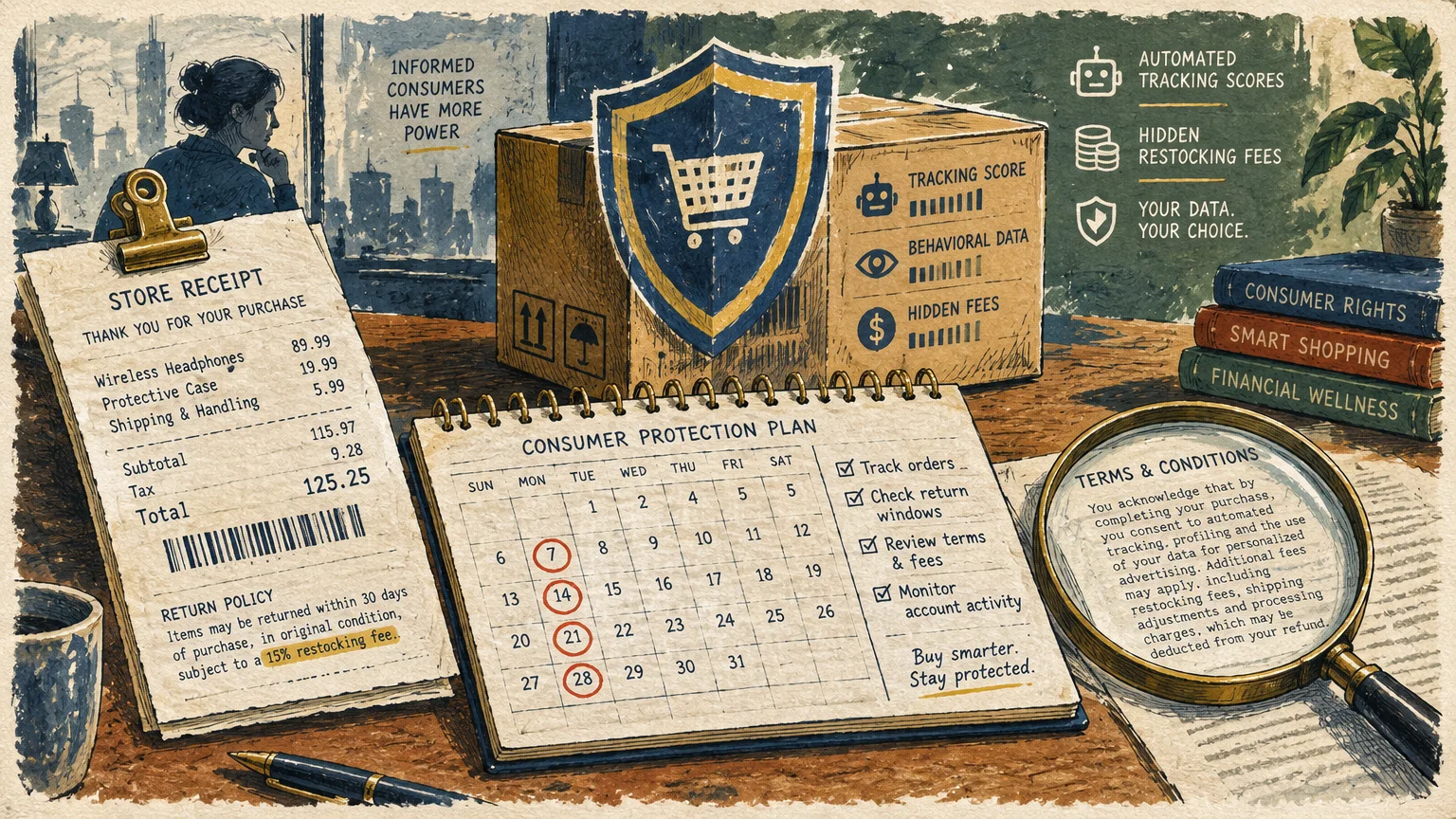
Shoppers frequently make administrative errors that undermine their legal protections at the return counter. Avoiding these common mistakes protects your consumer rights and your refund value.
Never discard original retail packaging, manuals, or universal product codes (UPCs) prematurely. Missing boxes or accessories allow retailers to deny returns or assess high restocking fees.
Many consumers fail to monitor the 60-day dispute deadline under the Fair Credit Billing Act. Stalling while negotiating with merchant customer service can forfeit your cardholder dispute rights.
Avoid presenting a driver’s license for routine returns when you possess an original purchase receipt. Unreceipted returns trigger identification scans that feed national return-tracking databases unnecessarily.
Do not assume the federal three-day cooling-off rule protects purchases made in physical retail storefronts. As codified in 16 C.F.R. Part 429, that rule applies only to off-premises sales.
Never accept store credit automatically when state law entitles you to cash or original tender. Firmly remind store management of your rights under applicable state disclosure statutes.

When to Consult a Professional
Most retail return disagreements resolve through polite negotiation with store management or card issuers. However, high-value disputes and systemic fraud may require professional legal intervention.
If a merchant sells defective high-value equipment and refuses statutory warranty remedies, consult a consumer protection attorney. Legal counsel can draft formal demand letters citing UCC implied warranties.
You should also seek professional guidance if a verification agency maintains inaccurate return records under your name. Attorneys specializing in FCRA violations can help correct reporting errors and seek statutory damages.
State attorney general consumer protection divisions also investigate merchants exhibiting patterns of deceptive return disclosures. Filing a formal state agency complaint often motivates stubborn retailers to issue prompt refunds.
For official information, consult government resources like USA.gov, the Consumer Financial Protection Bureau (CFPB), and the Federal Trade Commission (FTC).
For tax-related topics, refer to the IRS. For information on Social Security, visit the Social Security Administration.
Frequently Asked Questions (FAQs)
Can a retailer legally post a “No Refunds” policy?
Yes, retailers can generally adopt strict return rules if they disclose them properly. Federal law does not mandate that retail stores provide refunds for customer preference returns.
However, states like California, New York, and Florida require conspicuous signage at entrances or cash registers. Without proper disclosure, state laws mandate automatic refund windows for consumers.
Does the FTC Cooling-Off Rule cover ordinary store purchases?
No, the FTC Cooling-Off Rule applies strictly to transactions outside the seller’s permanent place of business. It covers door-to-door sales and temporary locations like convention halls.
It explicitly excludes traditional brick-and-mortar stores and standard online transactions. Your rights for storefront purchases depend on state disclosure statutes and store policy.
What can I do if a store refuses to refund a defective item?
Remind the manager that the item breaches the UCC § 2-314 implied warranty of merchantability. Restrictive store policies cannot void statutory warranties regarding inherently defective products.
If the retailer still refuses, file a dispute under the Fair Credit Billing Act with your card issuer. You can also file a complaint with your state attorney general.
How do I know if a store logged my return in a third-party tracking database?
Retailers that track customer returns typically scan your driver’s license or government ID at checkout. This practice occurs most often when returning items without an original receipt.
Under the Fair Credit Reporting Act, you can request your Return Activity Report from Appriss Retail. This document reveals your transaction history and whether flags exist.
Can a retailer force me to take store credit instead of cash?
If the store conspicuously posted a store-credit-only policy before your purchase, they can generally enforce it. Contract law binds buyers to properly disclosed sales terms.
However, if the policy was unposted or the item is defective, you are entitled to original tender. Never hesitate to verify whether the store complied with state signage requirements.
Disclaimer: The information provided on this website does not, and is not intended to, constitute legal advice; instead, all information, content, and materials available on this site are for general informational purposes only. Information on this website may not constitute the most up-to-date legal or other information. Readers of this website should contact their attorney to obtain advice with respect to any particular legal matter.