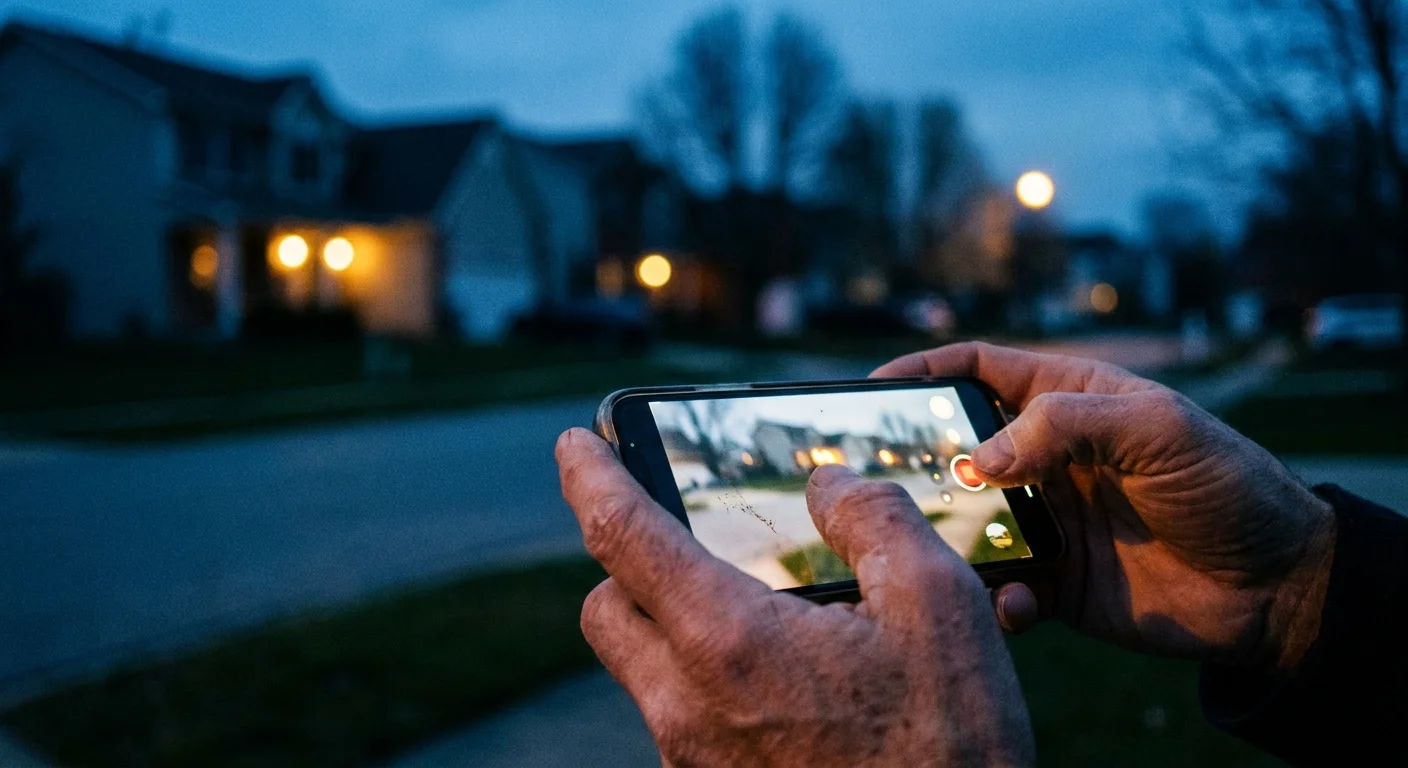
A Practical Guide to Recording Laws and Real-Life Situations
Abstract legal concepts become much easier to grasp when you apply them to real-world scenarios. We encounter situations daily where pressing record feels justified, logical, or protective. However, these specific situations frequently trigger unintended legal traps. Here are seven everyday scenarios where recording someone could easily backfire, along with actionable insights to keep you on the right side of the law.
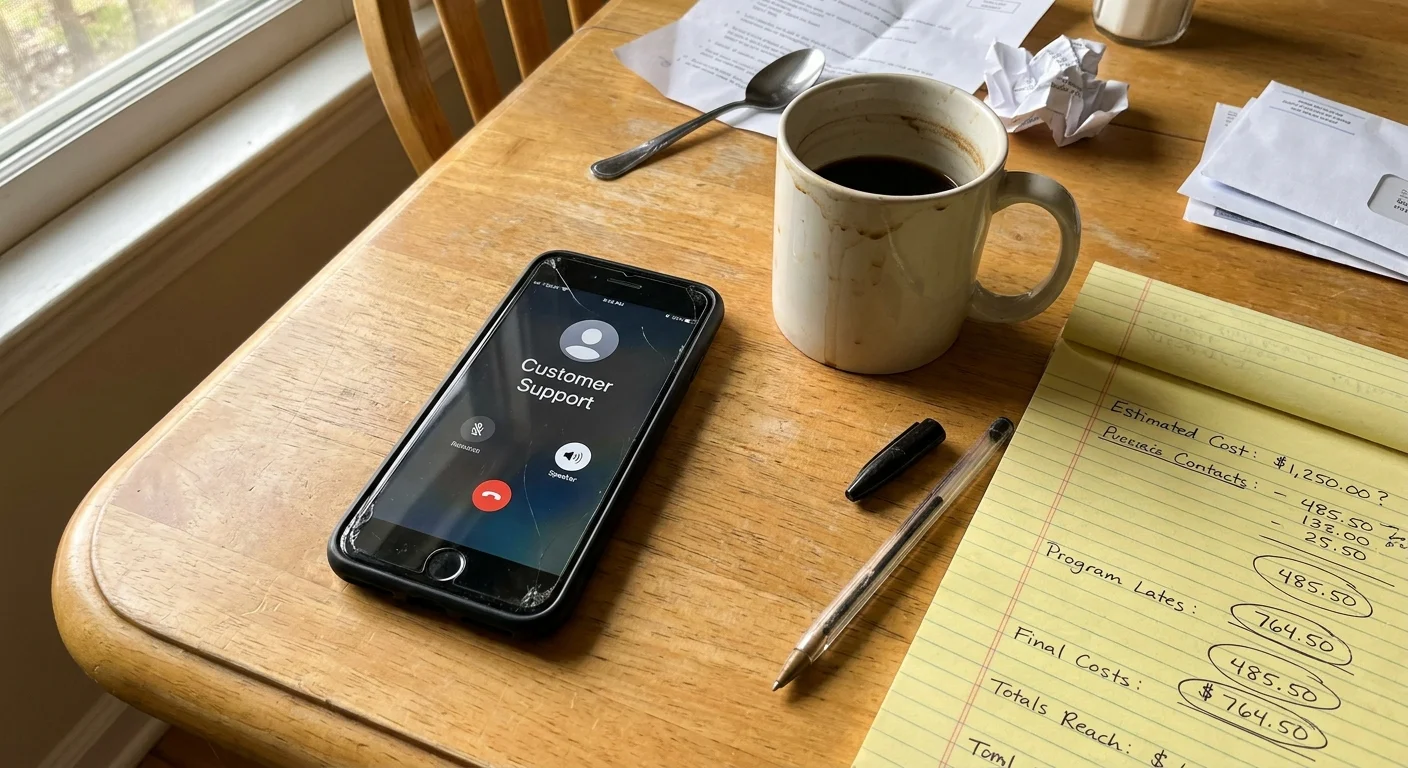
1. Recording a Customer Service or Contractor Phone Call
When dealing with a frustrating billing error or negotiating home repairs with a difficult contractor, you might decide to record the phone call to prove exactly what the representative promised. If you live in a one-party consent state, you might assume you can safely record the interaction without telling the other person.
The trap lies in interstate communication. If you live in Texas, a one-party consent state, but you call a customer service center located in California, a two-party consent state, you face conflicting legal jurisdictions. Courts frequently apply the strictest applicable law when a call crosses state borders. By secretly recording the representative in California, you could violate California’s wiretapping laws, rendering your recording completely useless for dispute resolution and exposing you to legal action.
Actionable insight: Whenever you want to record a business phone call, state clearly at the very beginning of the conversation, “I am recording this call for my personal records.” If the person continues speaking, they give implied consent. If they refuse, you must turn off the recorder or end the call.

2. Installing a “Nanny Cam” Inside Your Home
Parents and homeowners frequently use hidden cameras to monitor babysitters, housekeepers, or pet sitters. Protecting your children and property stands as a top priority, and placing a camera in your living room generally falls within your rights as a homeowner.
However, this situation backfires when homeowners fail to differentiate between common areas and private spaces. Placing a hidden camera in a bathroom or a live-in nanny’s private bedroom shatters their reasonable expectation of privacy and violates the law, regardless of the fact that you own the house. Furthermore, if your nanny cam records audio alongside the video, you run directly into wiretapping statutes. Secretly recording a conversation between your babysitter and a friend in your living room when you are not physically present intercepts a private communication without consent.
Actionable insight: Disable the audio recording feature on all interior security cameras unless you plan to notify anyone who enters your home. Never place cameras in bathrooms, changing areas, or guest bedrooms.
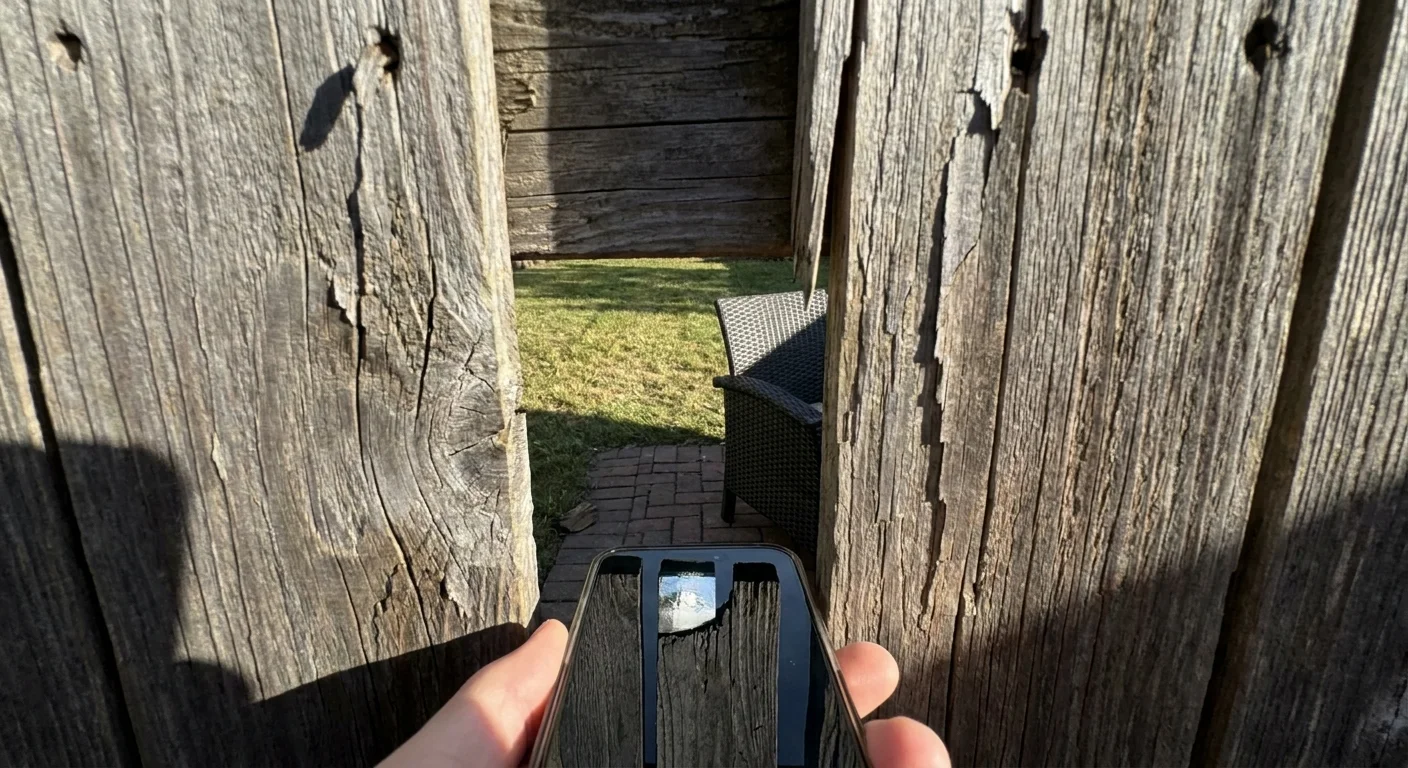
3. Filming a Noisy Neighbor Over the Fence
Dealing with a disruptive neighbor tests anyone’s patience. If your neighbor constantly plays loud music, leaves trash in their yard, or allows their dog to bark incessantly, you might decide to mount a camera on your fence or point a security camera directly into their property to gather evidence for the homeowners association or the police.
While you have the right to secure your own property, intentionally aiming a camera to monitor activities inside your neighbor’s fenced backyard or through their windows violates their privacy rights. They possess a reasonable expectation of privacy within the physical boundaries of their secluded property. If they discover your targeted camera, they can sue you for the civil tort of intrusion upon seclusion, a specific type of invasion of privacy.
Actionable insight: Position your security cameras so they monitor your property exclusively. If a camera captures a small sliver of the neighbor’s driveway as part of a wide-angle street view, the law generally permits it, but you should never focus a lens directly into spaces where your neighbor expects seclusion.

4. Secretly Recording a Meeting With Your Boss or HR
Workplace disputes create immense stress. If you feel targeted, discriminated against, or unfairly disciplined, recording a meeting with your manager or the human resources department might seem like the perfect way to protect yourself and gather evidence.
Even if you work in a state that allows one-party consent, recording a workplace meeting can backfire spectacularly. Employers possess the right to establish strict internal policies regarding confidentiality and workplace conduct. Most corporate employee handbooks strictly prohibit unauthorized recording to protect trade secrets and employee privacy. Even if the state refuses to prosecute you criminally, your employer can legally fire you on the spot for violating company policy. Additionally, some workplace discussions involve proprietary business information; recording and exposing that information could trigger civil lawsuits from the company.
Actionable insight: Review your employee handbook carefully. Instead of secretly recording, consider taking meticulous handwritten notes during the meeting and sending a follow-up email outlining your understanding of what was discussed to create a legal paper trail.

5. Using a Dashcam During a Traffic Stop or Commute
Dashcams offer incredible protection against insurance fraud and reckless drivers. Most modern dashcams record continuous video of the road ahead, and many also record audio from inside the cabin of the vehicle.
The legal backfire occurs regarding the internal audio. If you loan your car to a friend, or if you step out of your vehicle at a gas station while leaving passengers inside, the dashcam continues recording their private conversations. Since you are no longer a participant in the conversation, the dashcam effectively acts as an illegal wiretapping device. Regarding traffic stops, while you possess a First Amendment right to record police officers performing their duties in public, you cannot physically interfere with their investigation or hide the recording device if asked to step out of the car.
Actionable insight: Turn off the interior cabin audio recording on your dashcam. The video of the road provides the evidence you need for traffic accidents without the massive liability of accidentally wiretapping your friends, family, or mechanics who drive your vehicle.
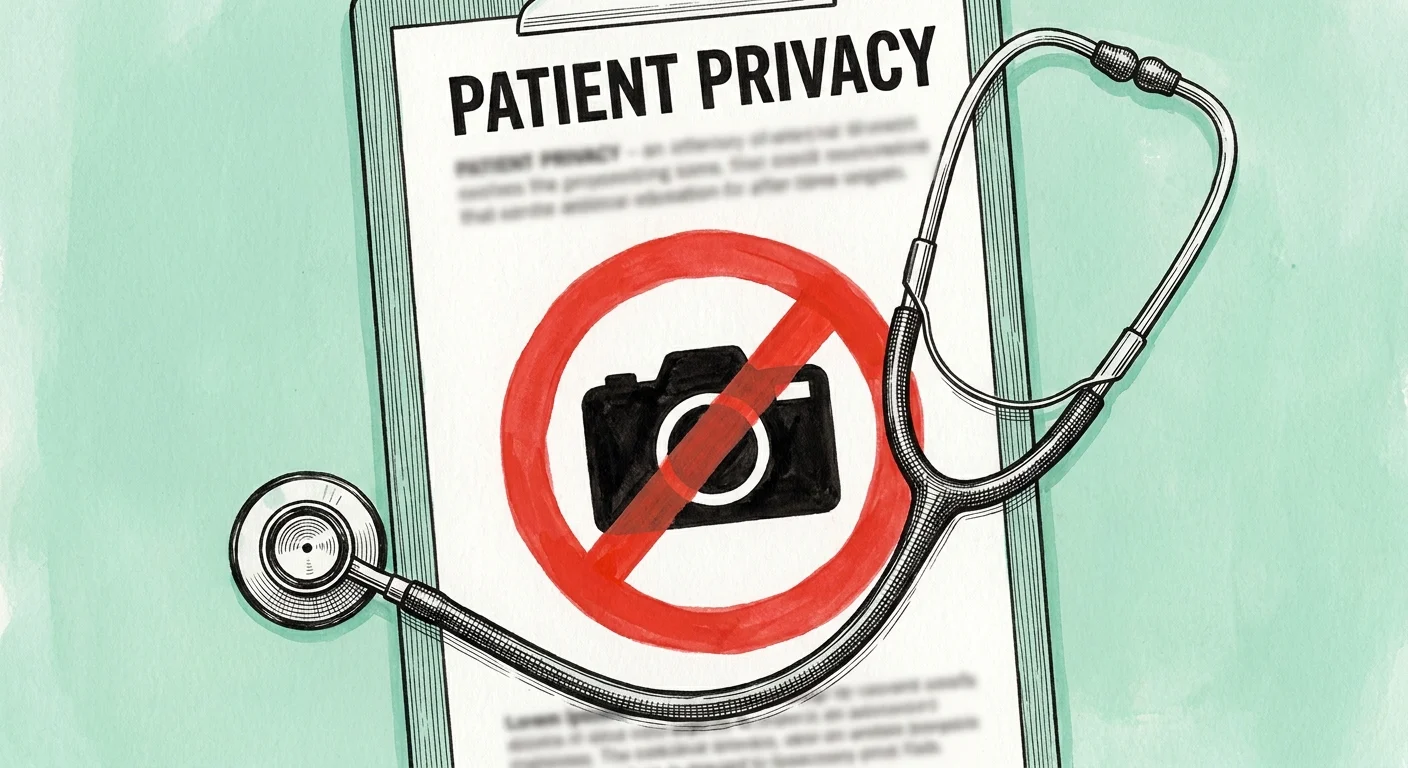
6. Taking Videos Inside a Doctor’s Office or Hospital
Medical appointments often involve complex, overwhelming information. Many patients want to record their doctor explaining a diagnosis or detailing a treatment plan so they can review the information later or share it with family members.
Hospitals and clinics enforce strict privacy policies designed to protect the confidentiality of all patients under their care. While the Health Insurance Portability and Accountability Act (HIPAA) primarily restricts healthcare providers from sharing your information, facility policies restrict your behavior to protect others. If you record a video in a waiting room or hallway, you risk capturing the faces, voices, or medical data of other patients. Facilities view covert recording as a massive breach of trust and safety, and they can demand you delete the footage, refuse to treat you, or ask security to escort you off the premises.
Actionable insight: Simply ask your physician for permission to record the audio of the consultation. Most doctors will gladly consent to an audio recording focused solely on their instructions to help you remember your care plan.

7. Gathering Evidence During a Family Dispute or Divorce
Divorce and child custody battles push people to extreme measures. A spouse might plant a hidden voice recorder in the family car or bedroom to capture evidence of infidelity, verbal abuse, or erratic behavior to present to a family court judge.
Family courts fiercely reject illegally obtained evidence. If you live in a two-party consent state and secretly record your spouse, your lawyer cannot use that recording in court. Worse, by attempting to submit the illegal recording, you confess to a crime directly to the judge. Judges frequently sanction the offending spouse, drastically reducing their credibility, altering custody arrangements, or ordering them to pay the other spouse’s legal fees as a penalty for the privacy violation.
Actionable insight: Never plant secret recording devices to gain an advantage in a family dispute. Rely on documented evidence like text messages, emails, and the testimony of verified witnesses to build your case legally.