
Common Mistakes and How to Avoid Them
Applying for Social Security family benefits stepchildren rely on involves navigating nuanced regulations. Avoiding predictable mistakes saves time, prevents claim denials, and prevents financial surprises down the road.
Mistake 1: Assuming Adoption Is Mandatory for Benefits
Many blended families mistakenly believe a stepparent must formally adopt a stepchild before the child can access Social Security support. Adoption creates an automatic parent-child relationship under law, but it is not required for auxiliary or survivor benefits. As long as you meet the marriage duration rules and the 50% financial support test, stepchildren qualify without formal adoption papers.
Mistake 2: Failing to Maintain Written Financial Records
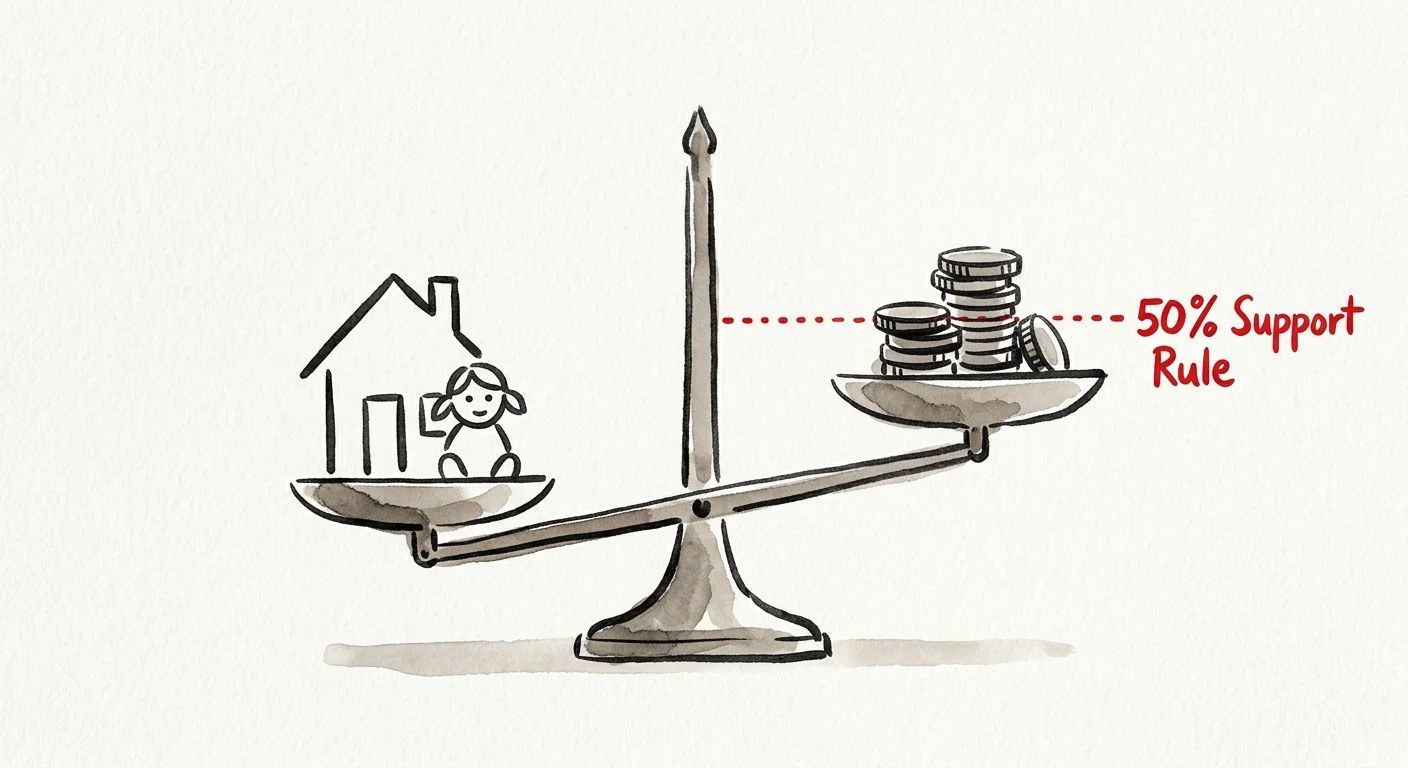
The SSA strictly enforces the 50% financial support rule. Applicants often fail because they rely on verbal assertions that the household functioned as a single economic unit. Avoid this trap by keeping detailed bank statements, lease agreements, utility bills, and proof of child support payments. Demonstrating clear financial flows protects your claim during administrative review.
Mistake 3: Overlooking the Automatic Divorce Termination Clause
If a biological parent and stepparent divorce, stepchild benefits terminate the month after the divorce decree becomes final under July 1996 SSA rules. Some families neglect to inform the SSA, continuing to collect payments. The SSA eventually audits these records and issues demand letters requiring full repayment of all funds paid after the divorce. Promptly notify the SSA of marital status changes to avoid costly overpayment debts.
Mistake 4: Missing the High School Certification Deadline at Age 18
The SSA automatically stops child benefits when a child reaches age 18 unless the agency receives formal proof of ongoing high school enrollment. To prevent payments from stopping abruptly, submit Form SSA-1372 (certified by the student’s school administration) several months before the child’s 18th birthday.
Mistake 5: Ignoring the Family Maximum Benefit Limit
When calculating prospective family income, households sometimes assume every child will automatically receive 50% of the worker’s PIA. If multiple children qualify on one worker’s record, the Family Maximum Benefit cap (150% to 188% of PIA) will re-allocate and reduce each child’s individual payment. Account for this cap when building your long-term family budget.