
When to Consult a Professional
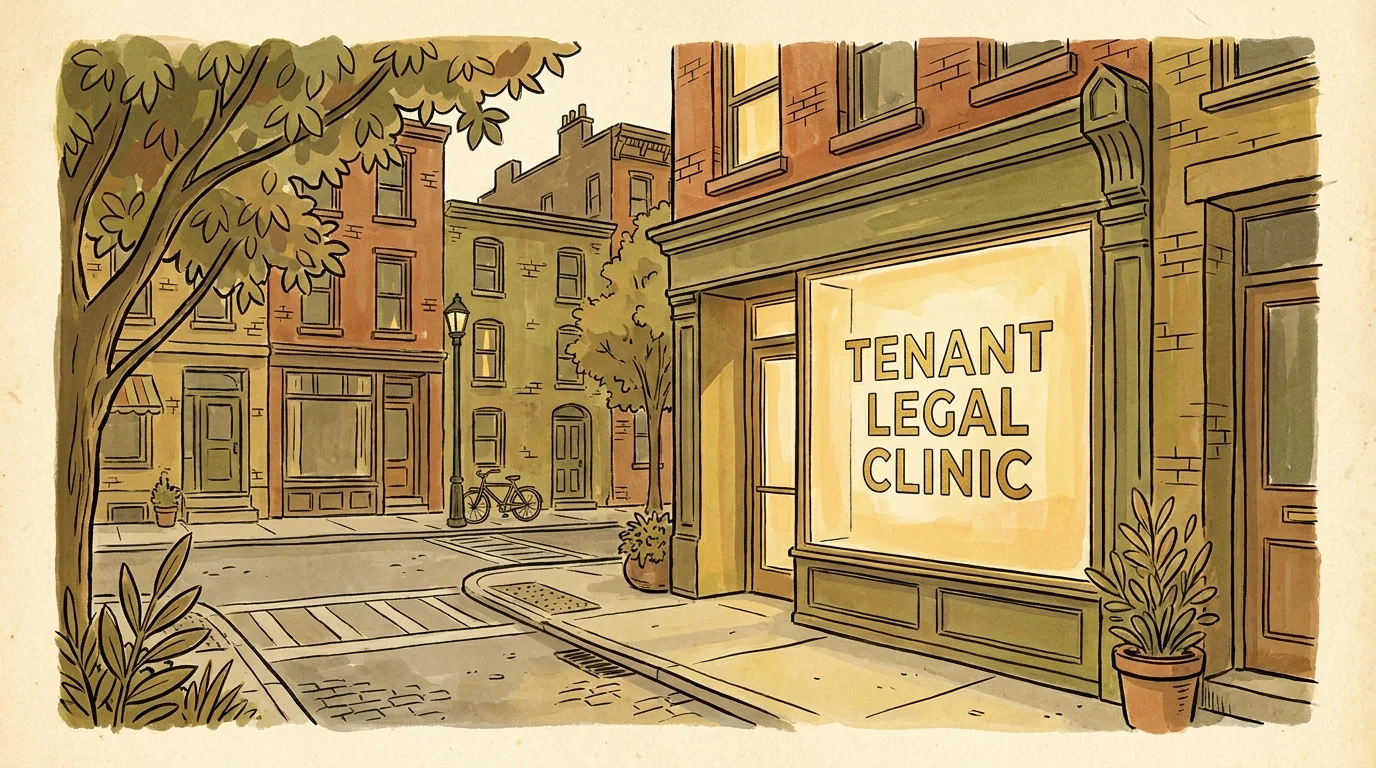
Handling minor disputes with your landlord often requires nothing more than a firm email and a solid understanding of your local laws. However, certain situations demand immediate professional intervention. Attempting to navigate complex legal proceedings on your own can result in a devastating loss of housing and severe financial damage.
You should consult a legal professional immediately if your landlord serves you with a formal eviction notice or a notice to quit. Eviction moves through the court system incredibly fast, sometimes in a matter of weeks. An experienced tenant defense attorney can identify procedural errors the landlord made, invoke anti-retaliation protections, and potentially get the eviction lawsuit dismissed.
Professional help is also necessary if you face severe discrimination, sexual harassment from building staff, or if your landlord engages in a self-help eviction like locking you out or shutting off your power. In these severe scenarios, local legal aid societies, tenant advocacy unions, and private consumer protection attorneys can intervene rapidly. Many private attorneys handle severe habitability and lockout cases on a contingency basis, meaning they only collect a fee if they win your case.
Before meeting with a professional, organize your evidence. Print out a clean copy of your lease agreement, compile a chronological log of all communications with the landlord, organize your photographic evidence, and gather receipts for any out-of-pocket expenses you incurred due to the landlord’s negligence. Presenting a neat, thoroughly documented file allows an attorney to assess the strength of your case immediately.
Frequently Asked Questions (FAQs)
Can a landlord evict me without taking me to court?
No. Landlords cannot legally evict you without a formal court order. Tactics such as changing the locks, removing your belongings, cutting off utilities, or physically intimidating you into leaving are classified as self-help evictions. These actions are universally illegal and constitute a severe violation of your rights. If a landlord attempts this, call the police immediately to regain access to your home.
How long does a landlord have to fix a major repair?
The timeline depends entirely on your specific state and municipal laws, as well as the severity of the issue. Most jurisdictions require landlords to address emergency repairs—such as broken heating in winter, major plumbing leaks, or gas leaks—within 24 to 72 hours. For non-emergency repairs, the law generally grants landlords a “reasonable” amount of time, typically defined as 14 to 30 days. Always put your repair requests in writing to start the legal clock.
What should I do if my landlord keeps dropping by unannounced?
Keep a detailed written log of every unannounced visit, including the date, time, and the landlord’s stated reason for being there. Send the landlord a formal letter via certified mail explicitly stating that their unannounced visits violate your right to quiet enjoyment and your state’s advance notice statutes. Inform them that you will require proper 24- or 48-hour written notice for all future non-emergency visits.
Is it legal for my landlord to charge a late fee that seems excessively high?
Often, it is not legal. Many states impose strict caps on the maximum amount a landlord can charge for late rent. For example, some states limit late fees to 5% of the monthly rent amount, while others require the fee to reflect the actual financial damages the landlord suffered due to the late payment. If your landlord attempts to enforce a punitive, exorbitant daily late fee, verify your local housing regulations to see if the fee violates state law.
Can my landlord refuse my Emotional Support Animal (ESA) because of a “no pets” policy?
No. Under the federal Fair Housing Act, landlords must provide reasonable accommodations for tenants with recognized disabilities, which includes allowing ESAs. An ESA is legally classified as an assistance animal, not a pet. Therefore, general “no pet” policies, breed restrictions, and mandatory pet fees or pet deposits do not legally apply to an ESA, provided you have the appropriate documentation from a qualified healthcare provider.
For official information, consult government resources like USA.gov, the Consumer Financial Protection Bureau (CFPB), and the Federal Trade Commission (FTC).
For tax-related topics, refer to the IRS. For information on Social Security, visit the Social Security Administration.
Disclaimer: The information provided on this website does not, and is not intended to, constitute legal advice; instead, all information, content, and materials available on this site are for general informational purposes only. Information on this website may not constitute the most up-to-date legal or other information. Readers of this website should contact their attorney to obtain advice with respect to any particular legal matter.







1 thought on “7 Ways Landlords Illegally Violate Tenant Rights That Most Renters Accept”
What are landlord/owner rights when squatters move in illegally?