
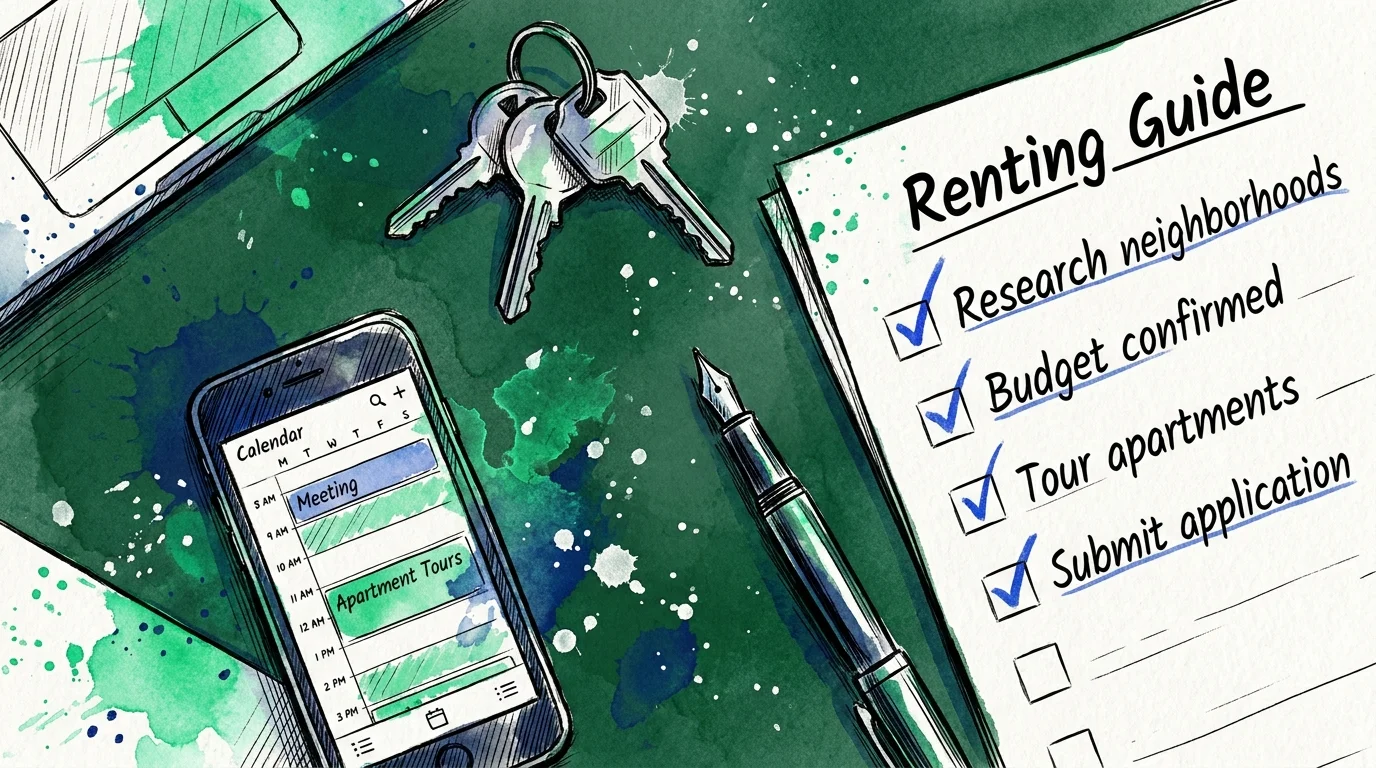
A Practical Guide to Renting an Apartment
Navigating the rental market requires a methodical approach. By treating the rental process as a formal business transaction, you minimize the risk of rental agreement errors and position yourself as a knowledgeable, responsible tenant.

Step One: The Application and Screening Process
Your relationship with a landlord begins during the application phase. Property managers typically charge application fees to cover the cost of running credit and background checks. You possess specific rights during this process under federal laws. If a landlord rejects your application based on information found in a consumer credit report, they must provide you with an adverse action notice. This notice explains why you were denied and provides you with the contact information for the credit reporting agency, allowing you to dispute any inaccuracies on your report.
Always ask for a breakdown of application fees before handing over your money. Some jurisdictions cap the amount landlords can charge for these initial screenings. Knowing your local limits prevents you from falling victim to predatory application schemes where fake landlords collect hundreds of dollars in non-refundable fees for apartments that do not actually exist.
Step Two: Scrutinizing the Lease Document
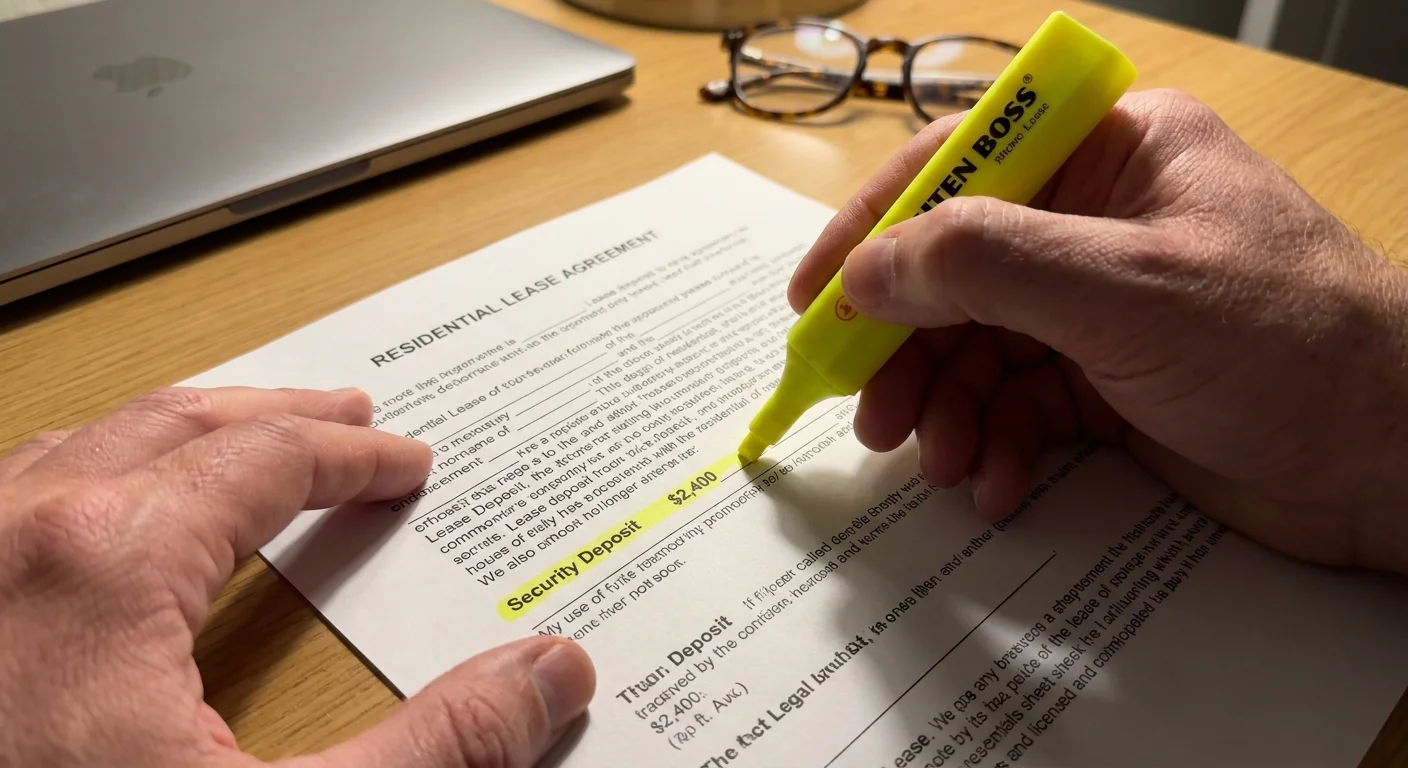
Never sign a lease agreement on the spot. Request a copy of the document and take it home to review in a quiet environment. Read every single clause. You must identify specific details: the exact date rent is due, the grace period for late payments, the specific penalties for breaking the lease early, and the rules regarding guests or pets.
Pay close attention to early termination clauses. Life is unpredictable; you might face a sudden job relocation or a family emergency that forces you to move. A fair lease agreement outlines a clear, predictable penalty for breaking the contract, such as paying two months of rent. Unfair leases might attempt to hold you responsible for the rent until the exact moment a new tenant takes over, which could drain your savings entirely.
Step Three: Executing a Thorough Move-In Inspection
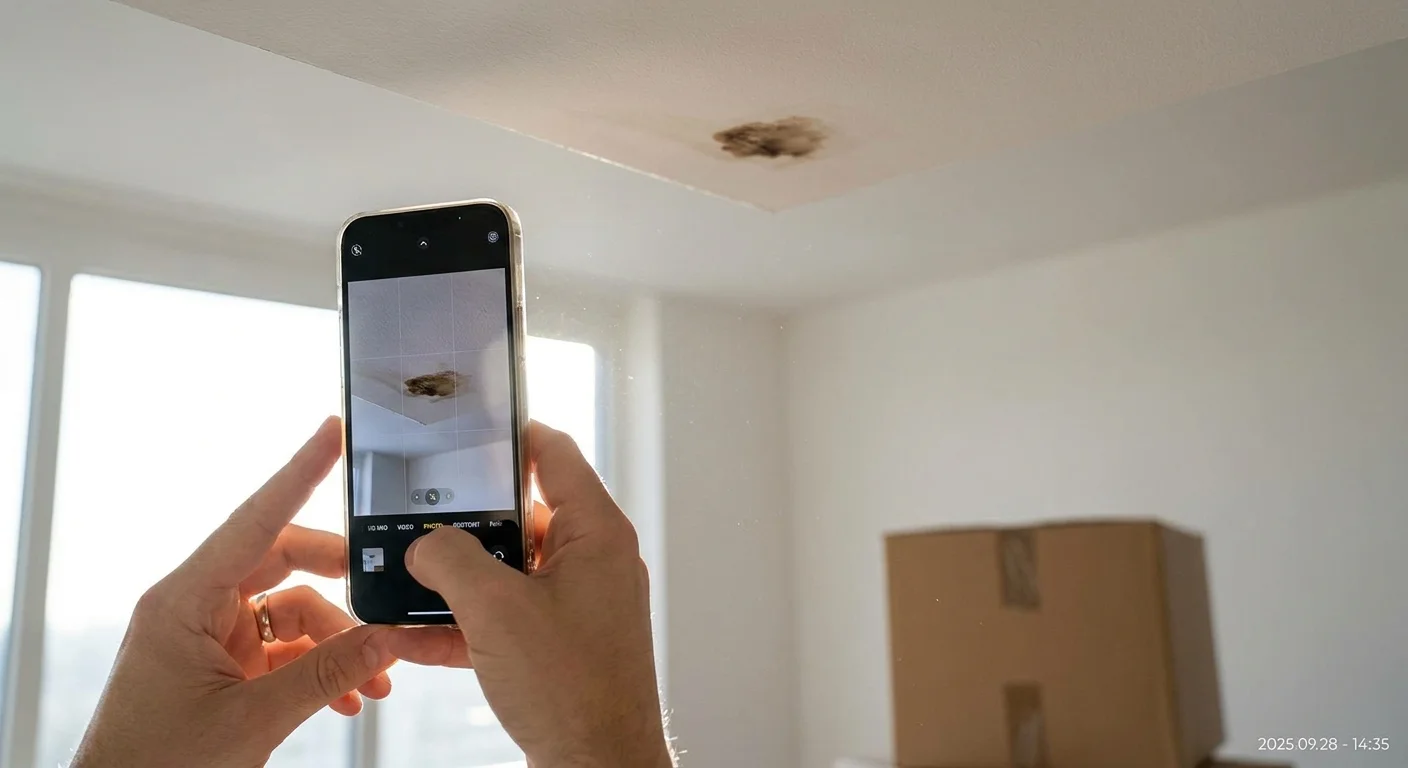
The move-in inspection serves as your primary defense against future security deposit disputes. Do not let the excitement of moving into a new place distract you from this crucial administrative task. Before you move a single piece of furniture into the apartment, walk through every room with a critical eye. Test the appliances, flush the toilets, turn on the faucets, open and close the windows, and check the locks on the doors.
Document the condition of the apartment meticulously. Take clear, well-lit photographs and videos of any existing damage, no matter how minor it seems. Scratches on the hardwood floor, cracked bathroom tiles, or torn window screens must go on the official inventory checklist. Once you complete the checklist, send a copy to your landlord via email. This action creates a time-stamped paper trail proving that you did not cause the pre-existing damage, securing your financial interests for the day you eventually move out.
Step Four: Establishing Communication Protocols
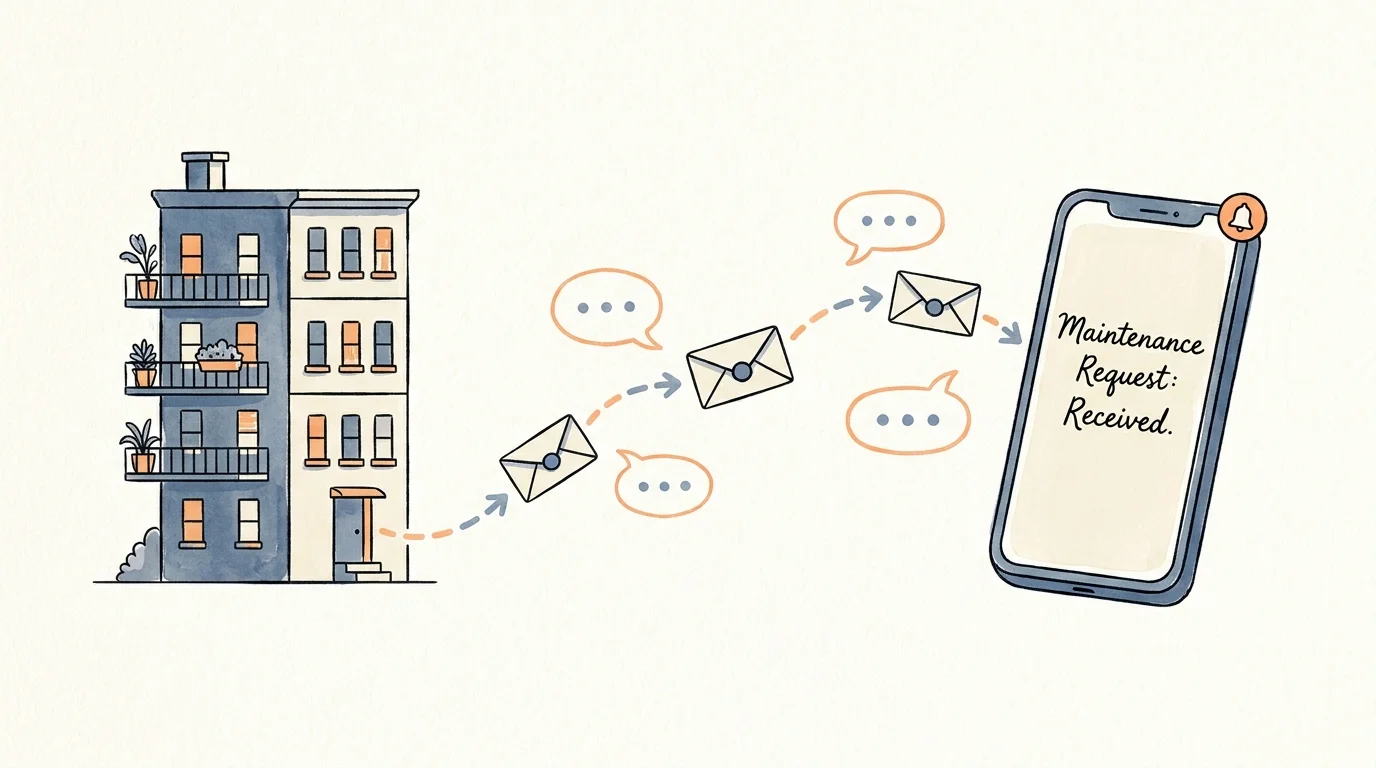
Establish a standard method of communication with your landlord immediately upon moving in. Relying exclusively on phone calls leaves you with no proof of the conversations you have had. For routine maintenance requests or questions about the property, use email or the property management’s official online portal. Written communication removes ambiguity and ensures that both you and the landlord have a permanent record of maintenance requests, complaints, and policy clarifications.






1 thought on “Common Legal Mistakes People Make When Renting an Apartment”
Does anyone know of a good lawyer for these type of rental violations by the property management