

Common Mistakes and How to Avoid Them
Even seasoned renters occasionally fall into legal traps. Landlord-tenant laws vary widely depending on your specific location, making it incredibly easy to make assumptions that land you in financial trouble. By studying these common apartment rental mistakes, you can proactively protect your rights and your wallet.
Relying on Verbal Promises
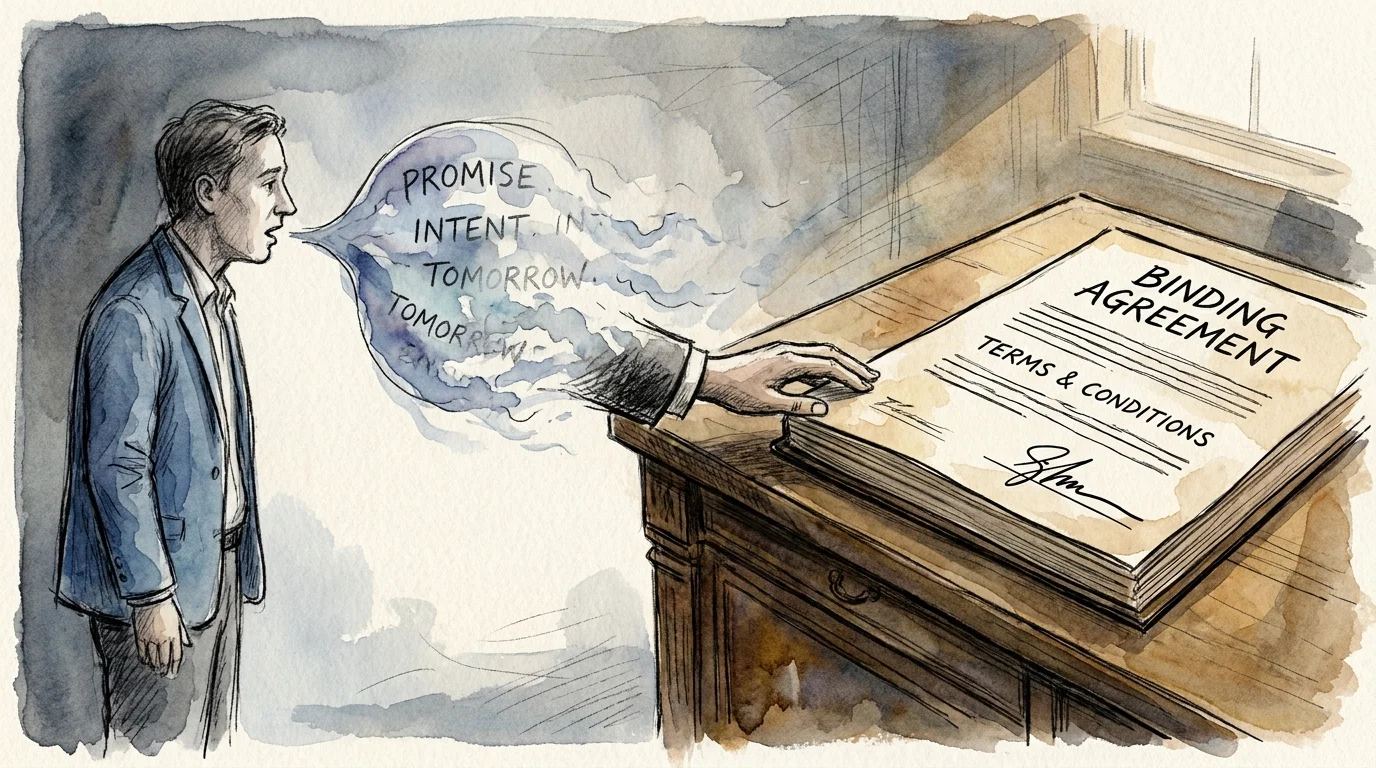
Verbal agreements represent one of the most frequent legal mistakes renting an apartment. Imagine touring an apartment and noticing that the refrigerator makes a terrible grinding noise. The leasing agent assures you that a brand-new appliance will arrive before your move-in date. Trusting this promise, you sign the lease. Weeks pass, and you remain stuck with the broken refrigerator.
In contract law, the “parol evidence rule” generally prevents you from enforcing verbal promises that contradict or add to a written contract. Most standard leases contain an integration clause—a specific paragraph stating that the written document represents the entire agreement between the parties. If the landlord promises you new carpets, a dedicated parking space, or a fresh coat of paint, you must demand that they write those promises directly into the lease agreement before you sign it. If it is not in writing, it simply does not exist.
Withholding Rent Improperly
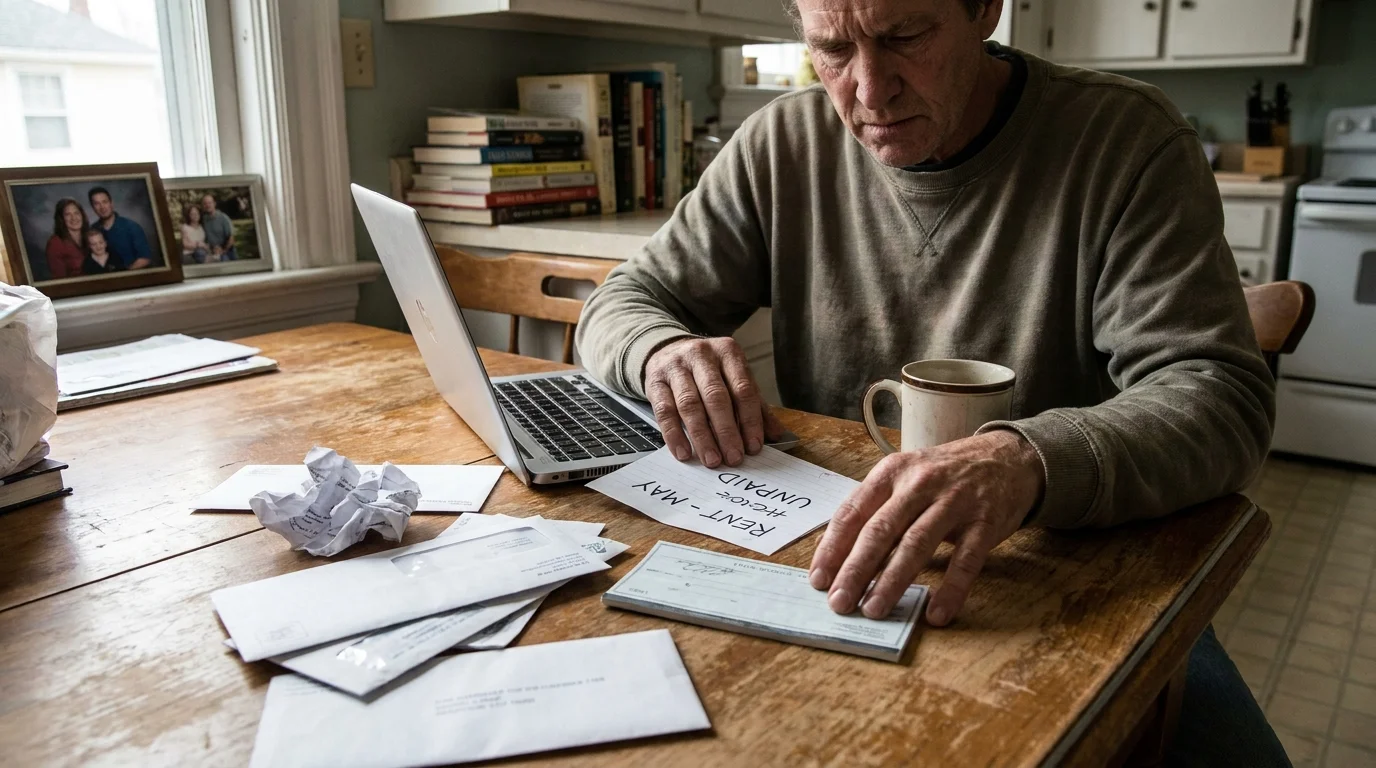
When a landlord ignores urgent maintenance requests—such as a broken furnace in the middle of January—frustrated tenants often decide to simply stop paying rent until the problem is fixed. This approach almost always backfires. Simply keeping the rent money in your checking account gives the landlord immediate grounds to file for an eviction based on non-payment.
If you face severe habitability issues, the law provides specific mechanisms for rent withholding, often referred to as “repair and deduct” statutes or rent escrow. To utilize these legal protections, you typically must provide the landlord with formal written notice of the defect and allow them a reasonable amount of time to fix it. If they fail to act, the court may require you to deposit your monthly rent into a designated escrow account managed by a judge or a local housing authority. This process proves to the court that you possess the funds and are not simply trying to live for free, while simultaneously cutting off the landlord’s cash flow until they complete the repairs.

Skipping Renters Insurance
Many renters erroneously believe that their landlord’s property insurance covers their personal belongings. This is entirely false. A landlord’s insurance policy only covers the physical structure of the building—the roof, the walls, and the plumbing. If a pipe bursts and ruins your expensive laptop, television, and furniture, the landlord’s insurance will not pay you a single cent to replace your items.
Furthermore, renters insurance provides essential liability protection. If you accidentally leave a candle burning and start a fire that damages your apartment and the neighboring unit, you are personally liable for the repair costs. The landlord’s insurance company will fix the building and then sue you to recover their money. A basic renters insurance policy—which often costs less than a few cups of coffee per month—covers the replacement of your personal property, provides funds for a temporary hotel stay if your apartment becomes unlivable, and shields you from massive liability claims.
Moving Out Without Proper Notice
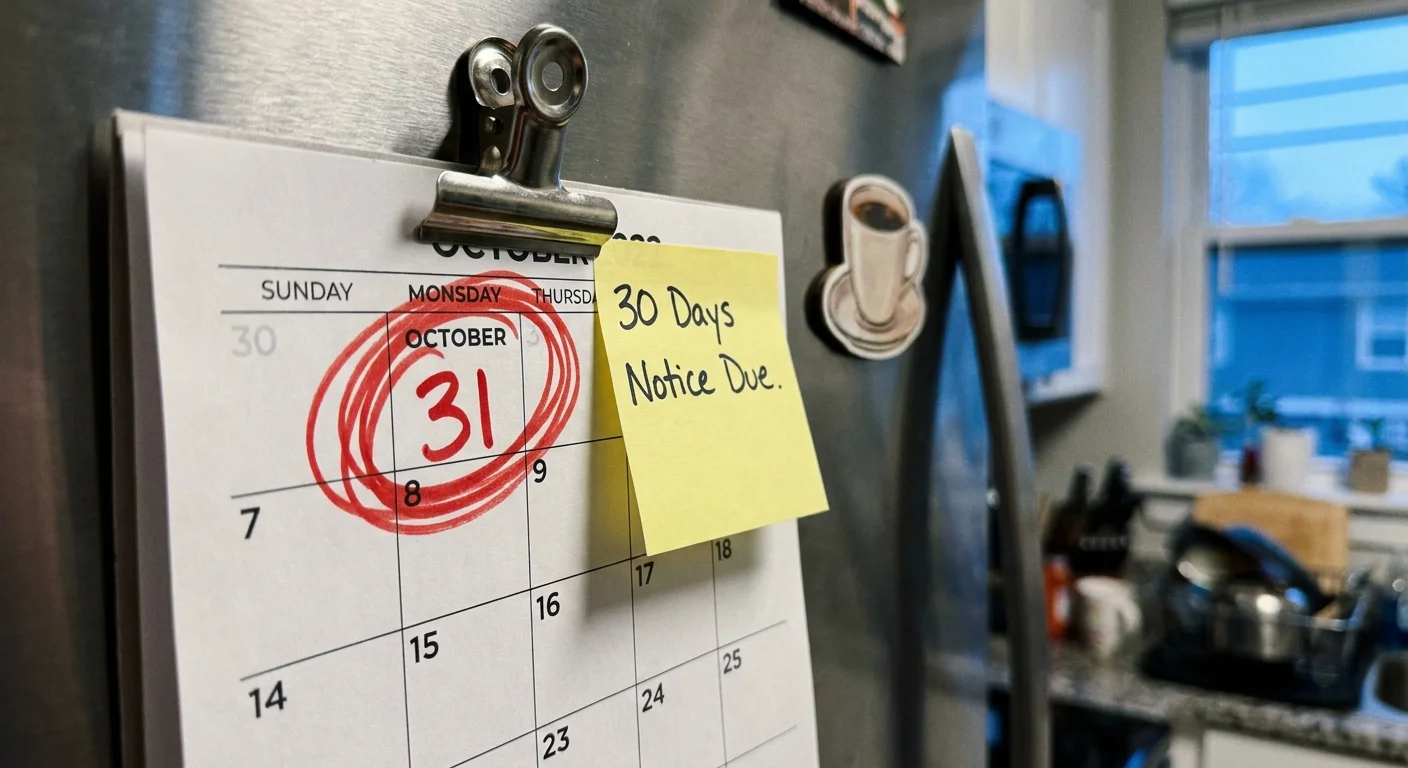
Failing to provide adequate notice before vacating an apartment often leads to severe financial penalties. Many renters assume that when their one-year lease expires, they can simply hand over the keys and walk away. However, the vast majority of lease agreements require you to provide formal written notice—typically 30 to 60 days in advance—stating your intention to move out.
If you fail to provide this notice, the lease may automatically transition into a month-to-month agreement, or you may forfeit your entire security deposit. Always mark your calendar with the exact date your notice is due. Send your notice of intent to vacate via certified mail with a return receipt requested. This ensures you have irrefutable proof that the landlord received your communication on time.
Making Unauthorized Alterations
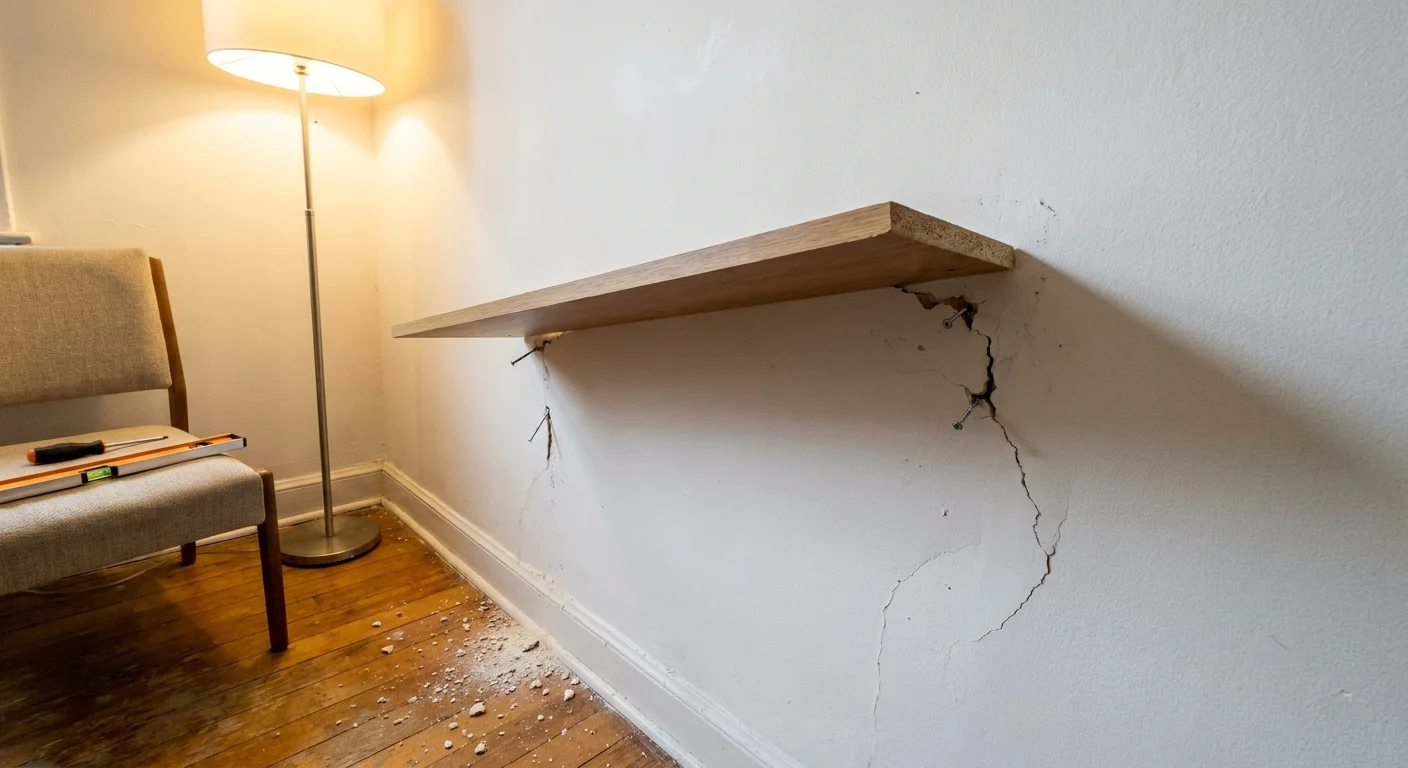
Transforming a generic apartment into a personalized home feels rewarding, but unauthorized alterations represent a significant breach of contract. Painting the walls a dark color, installing heavy shelving units that damage the drywall, or changing the locks without the landlord’s permission violate standard lease terms.
If you modify the apartment without written consent, the landlord can deduct the cost of reversing those changes from your security deposit. In extreme cases, significant unauthorized alterations can result in eviction. If you want to paint a room or install new fixtures, email your landlord with a detailed request. If they approve, ensure you receive that approval in writing before you purchase any supplies.






1 thought on “Common Legal Mistakes People Make When Renting an Apartment”
Does anyone know of a good lawyer for these type of rental violations by the property management