
Securing a safe and affordable place to live requires understanding the binding contract you sign with a landlord. Many renters rush through the lease agreement, inadvertently waiving critical protections and exposing themselves to unexpected financial liabilities. Recognizing the most common legal mistakes renting an apartment can save you from costly disputes, eviction threats, and lost security deposits. From hidden fees to verbal promises that never materialize in writing, apartment rental mistakes often stem from a lack of awareness regarding standard tenant legal rights. By familiarizing yourself with the core elements of residential leases, you can advocate for fair terms and establish a transparent, professional relationship with your property management team from the very first day.
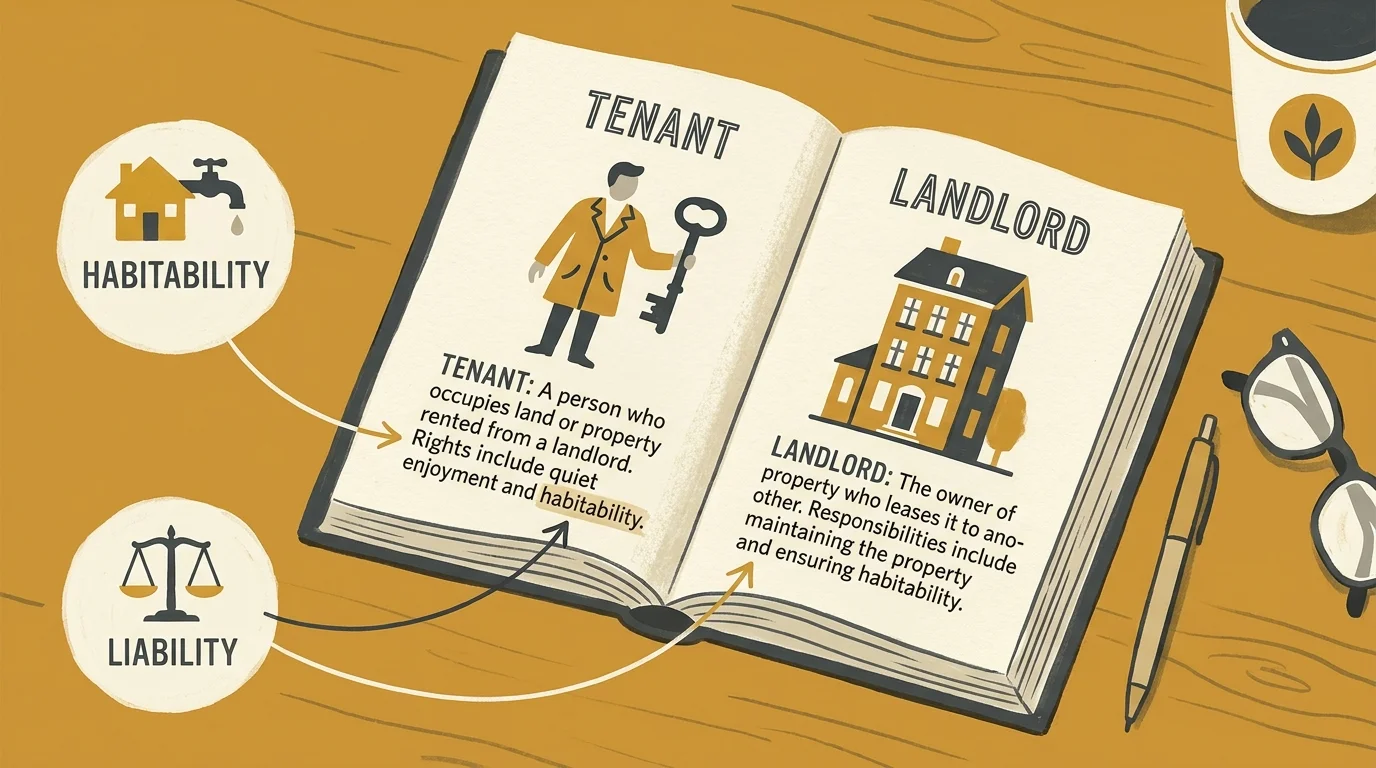
Key Concepts and Terminology Explained
Before you sign your name on the dotted line, you must understand the vocabulary used in residential leasing. Real estate terminology often obscures the actual legal obligations you are adopting. Landlords and property managers draft these contracts to protect their financial interests; understanding these concepts ensures you can protect yours.
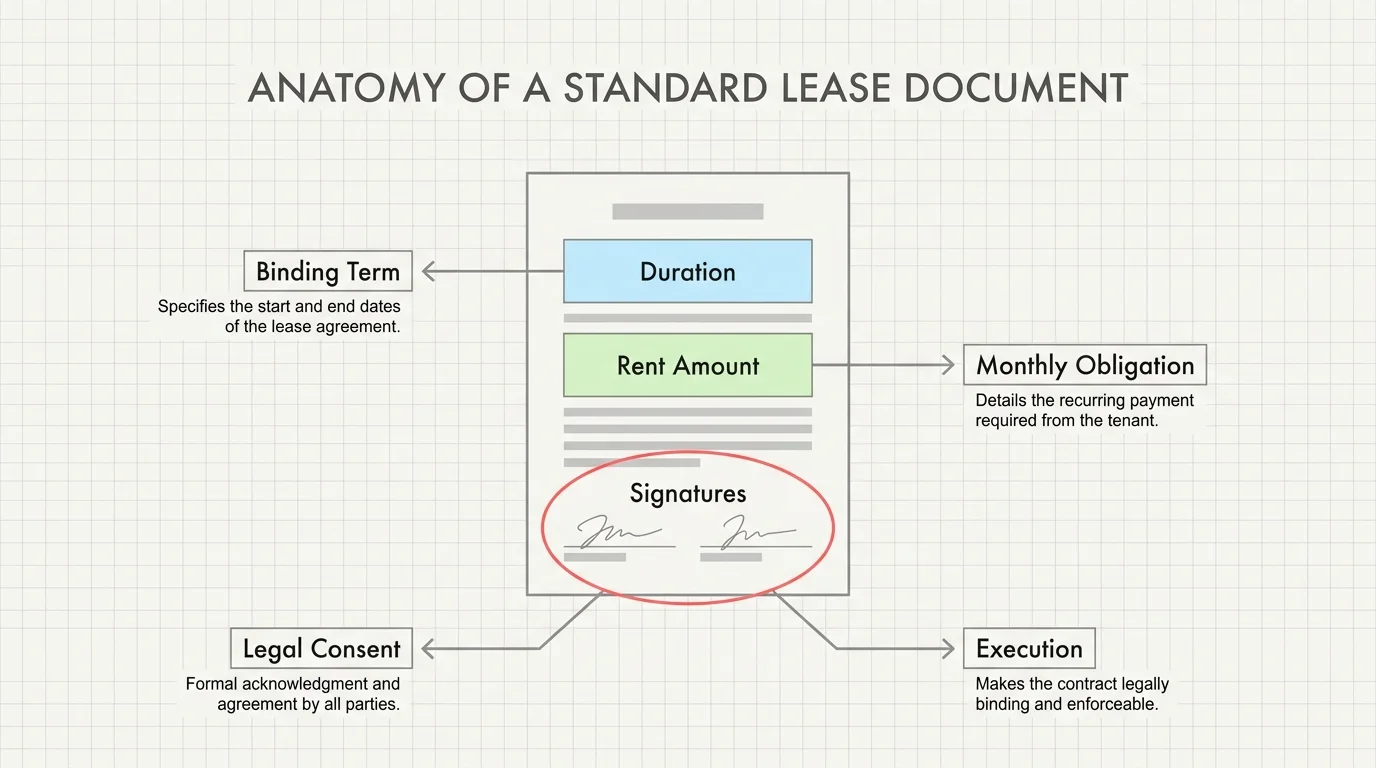
The Lease Agreement
A lease agreement constitutes a legally binding contract between you and the property owner. It dictates the rules of your tenancy, the duration of your stay, the financial costs you must bear, and the procedures for ending the arrangement. Once you sign a lease, you cannot simply walk away without facing financial penalties, even if your personal circumstances change. You are committing to pay a specific amount of money over a specific period, and the landlord is committing to provide a functional living space in return.
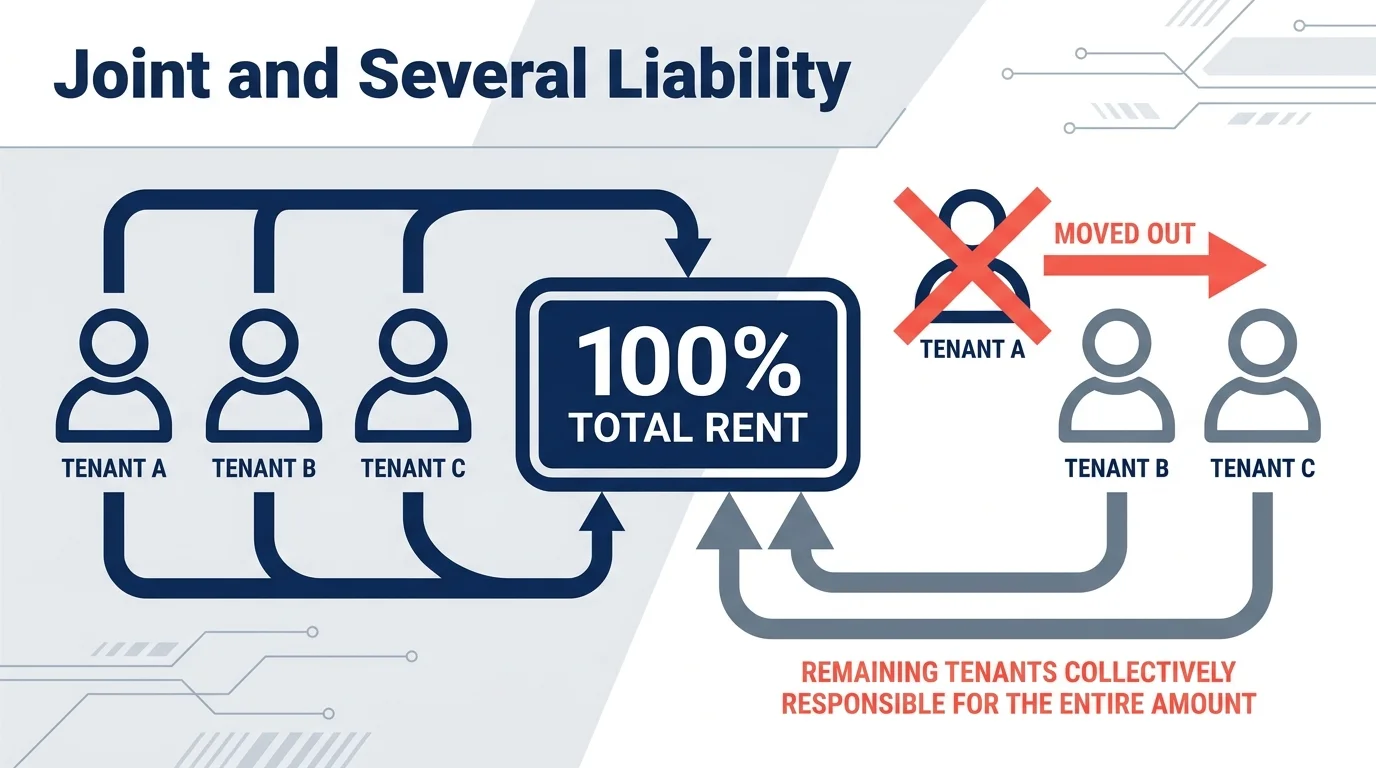
Joint and Several Liability
If you plan to rent an apartment with roommates, joint and several liability represents one of the most critical concepts you must grasp. This legal doctrine means that all tenants listed on the lease are collectively and individually responsible for the entire rent amount and any property damage. For example, if your roommate loses their job and moves out abruptly, the landlord holds the legal right to demand the full rent amount directly from you. You cannot simply pay your half and ignore the rest; the landlord can sue you for the entire outstanding balance.
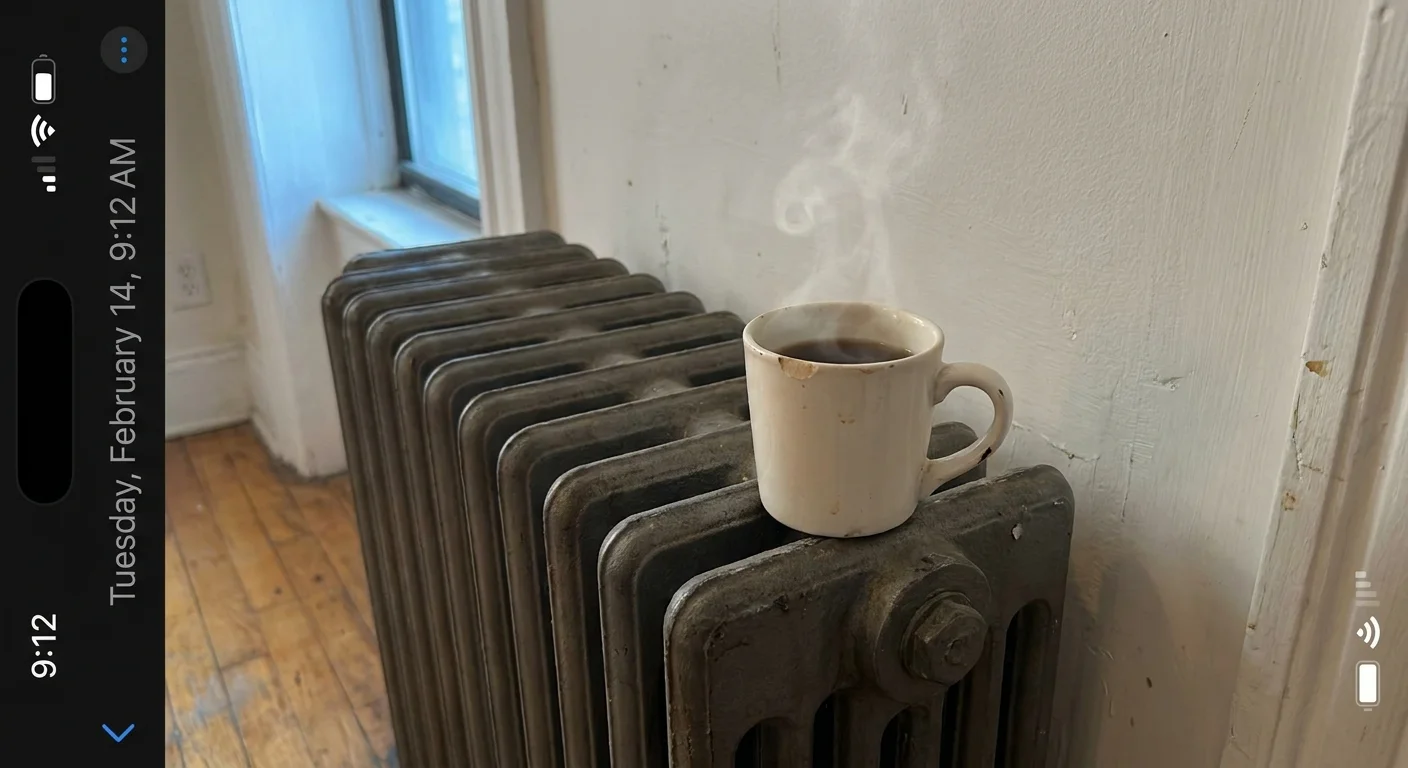
The Warranty of Habitability
The implied warranty of habitability serves as a fundamental pillar of tenant legal rights. This doctrine requires landlords to maintain living quarters in a safe, sanitary, and livable condition, regardless of what the lease document claims. A landlord cannot ask you to sign away your right to a habitable apartment. Essential services like running water, functional plumbing, reliable heating during winter months, and a structurally sound roof fall under this warranty. If a landlord fails to provide these basic necessities, they are in breach of the contract.
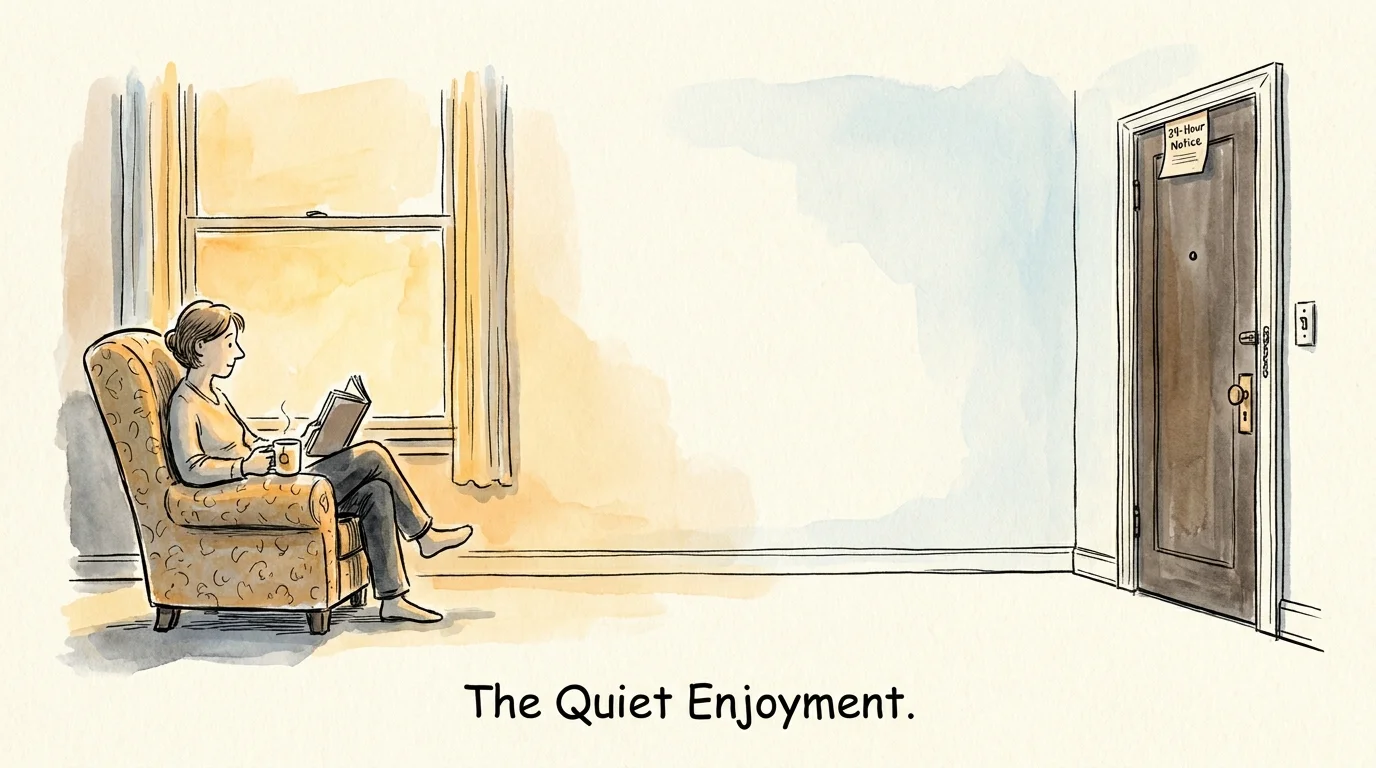
The Covenant of Quiet Enjoyment
Your signature on a lease grants you the right to exclusive possession of the property. The covenant of quiet enjoyment guarantees that you can live in your apartment without unreasonable interference or harassment from the landlord. This means a property manager cannot simply barge into your home unannounced to check on the condition of the apartment. While they retain the right to enter for maintenance or emergencies, standard legal protocols typically require them to provide reasonable advance notice—usually 24 to 48 hours—before entering your private living space.
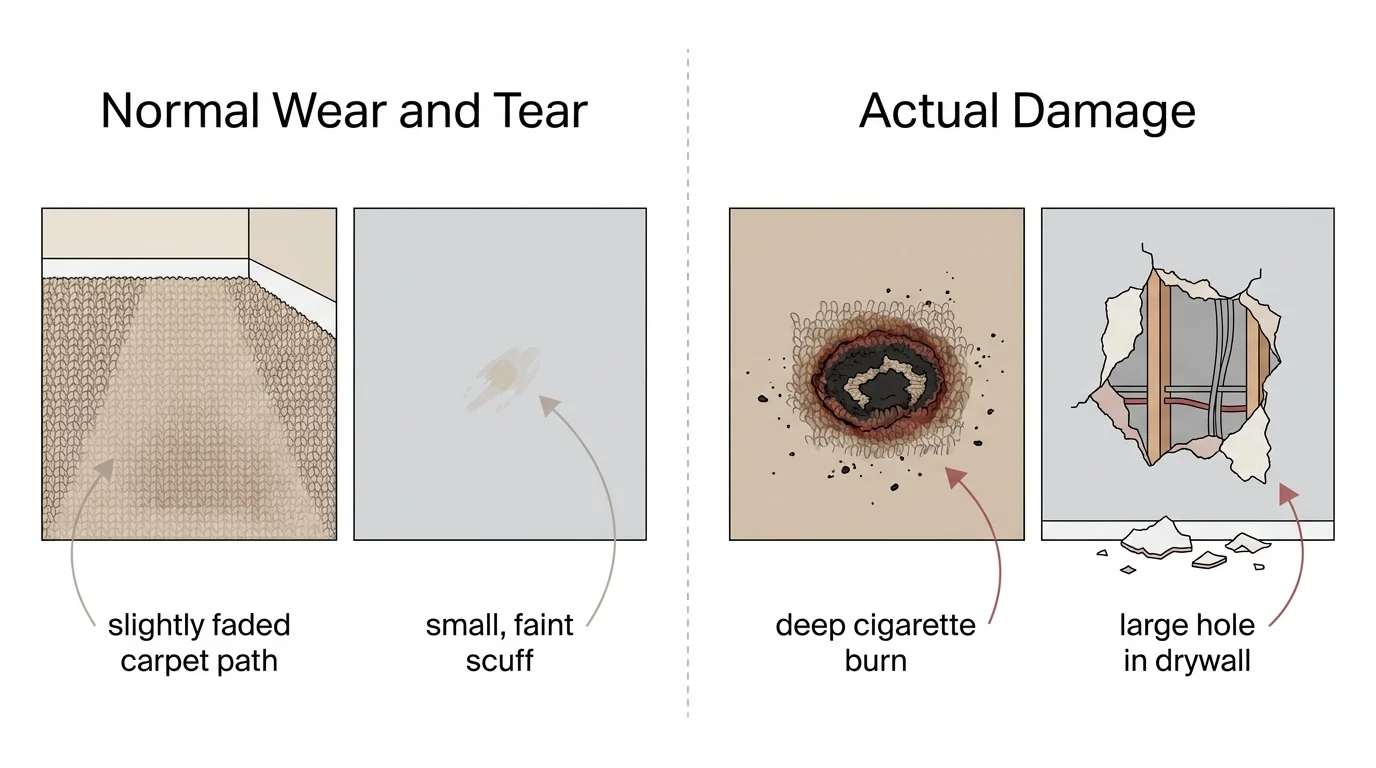
Normal Wear and Tear vs. Actual Damage
When you eventually move out, disputes over security deposits almost always center on the difference between normal wear and tear and actual property damage. Normal wear and tear refers to the expected deterioration of a property that occurs through everyday, reasonable use. Faded paint, slightly worn carpets in high-traffic areas, and minor scuffs on the baseboards fall into this category; landlords cannot legally charge your security deposit for these items. Actual damage involves negligence or abuse, such as massive holes in the drywall, deeply stained carpets from a pet, or broken windows. Understanding this distinction prevents landlords from unfairly shifting their routine maintenance costs onto you.



1 thought on “Common Legal Mistakes People Make When Renting an Apartment”
Does anyone know of a good lawyer for these type of rental violations by the property management