When to Consult a Professional
While educating yourself about your tenant legal rights provides a solid foundation, certain situations demand professional intervention. Landlord-tenant law involves complex procedural rules; attempting to navigate severe disputes alone can result in immediate eviction or substantial financial judgments against you. Knowing when to seek professional renter legal advice is just as important as knowing the terms of your lease.
Facing an Eviction Lawsuit
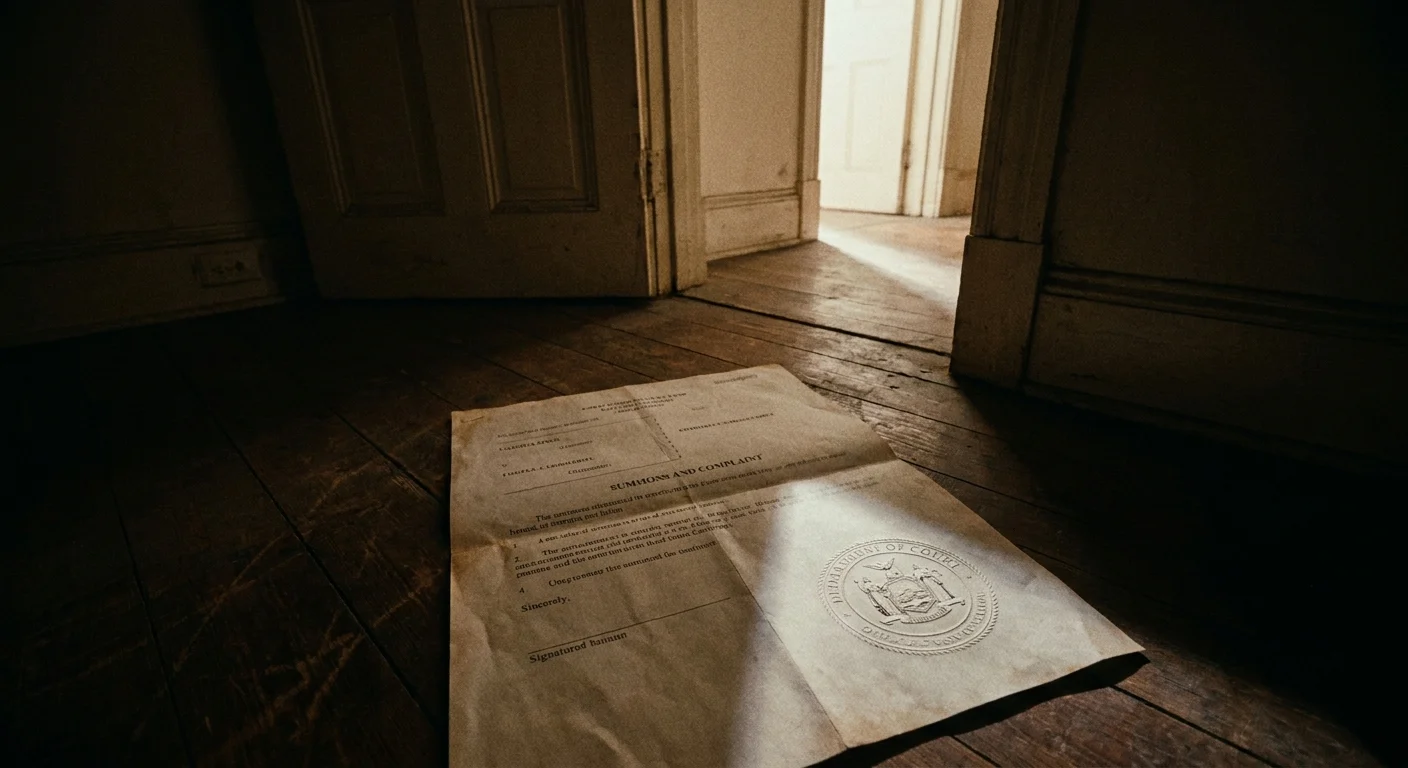
If you receive a formal summons and complaint for an eviction—often called an unlawful detainer action—you must seek professional assistance immediately. Eviction proceedings move incredibly fast, sometimes requiring you to file a formal legal response in court within a matter of days. If you miss this deadline, the landlord wins automatically by default, and law enforcement can forcibly remove you from your home. A tenant rights attorney can identify procedural errors in the landlord’s paperwork, assert affirmative defenses on your behalf, and potentially negotiate a settlement that keeps an eviction judgment off your permanent public record.
Experiencing Severe Habitability or Health Hazards
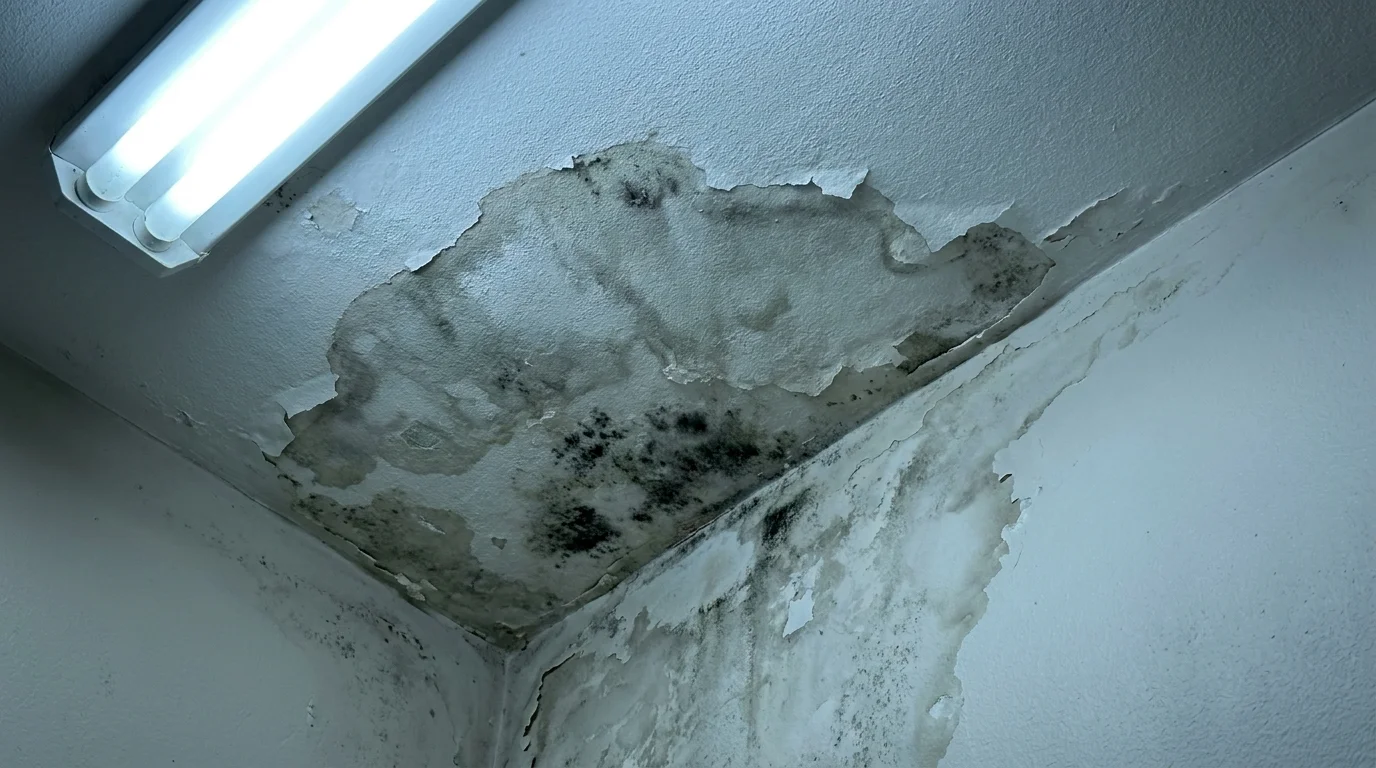
When a landlord refuses to address severe health and safety hazards, you need outside authority. Black mold infestations, pervasive rodent problems, or structurally unsound ceilings pose immediate dangers to you and your family. In these situations, you should contact your local housing code enforcement agency to request an official inspection. A government inspector can issue citations and fine the landlord, forcing them to take action. If the conditions have caused you physical illness or destroyed your property, consulting a lawyer becomes necessary to discuss potential compensation.
Encountering Illegal Lockouts or Utility Shut-Offs
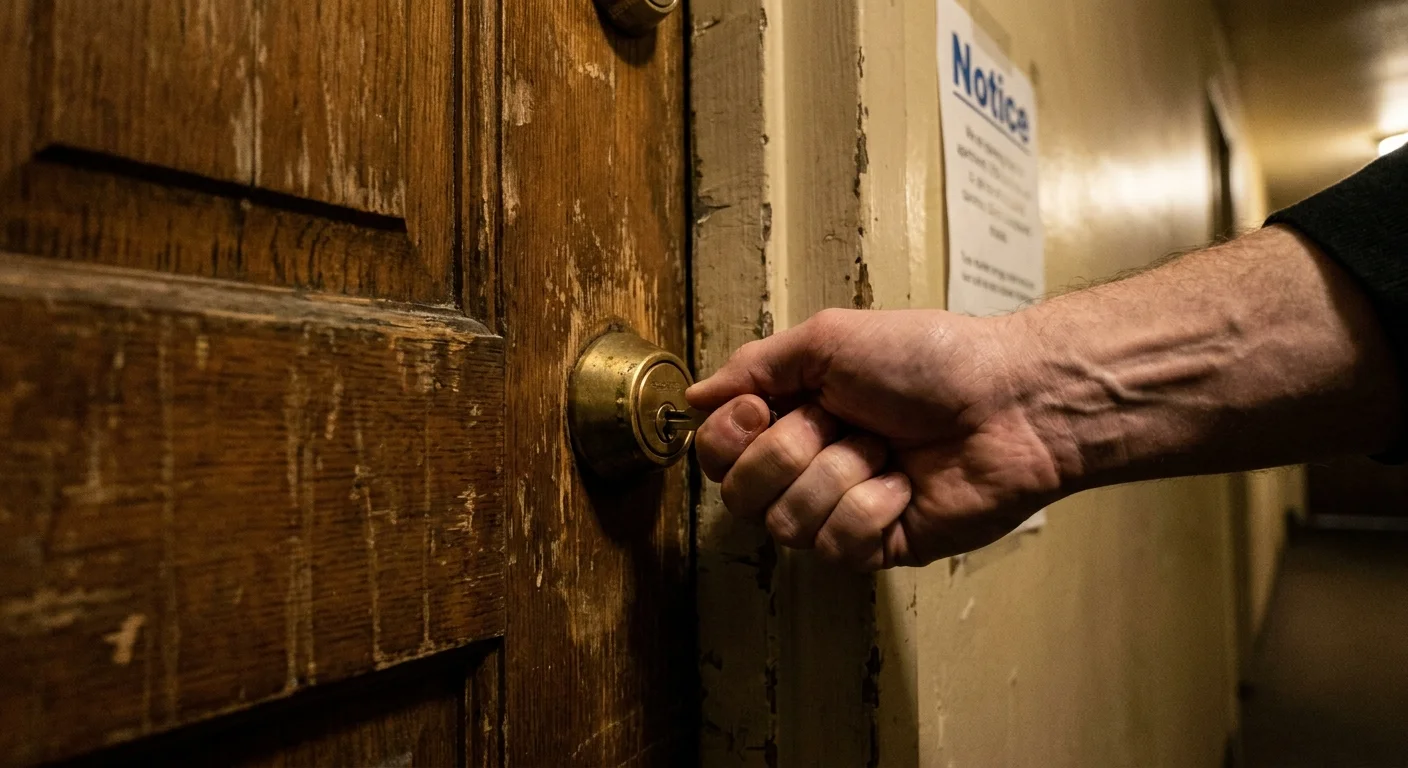
Under no circumstances can a landlord bypass the court system and force you out by changing your locks, removing your doors, or shutting off your essential utilities like water and electricity. These actions, known as “self-help evictions,” are strictly illegal in every jurisdiction. If a landlord attempts an illegal lockout, call the local police to regain entry, and immediately contact a legal aid organization or a private attorney. You have the right to sue the landlord for substantial monetary damages for these aggressive and unlawful tactics.
Helpful Resources for Renters
When searching for accurate information regarding your rights and financial obligations, rely on verified governmental bodies rather than anonymous online forums.
For official information, consult government resources like USA.gov, the Consumer Financial Protection Bureau (CFPB), and the Federal Trade Commission (FTC).
For tax-related topics, refer to the IRS. For information on Social Security, visit the Social Security Administration.