Key Concepts and Terminology Explained
Before you can successfully navigate property disputes, you must understand the language that legal professionals, surveyors, and judges use. Homeowners often misinterpret their rights because they rely on neighborhood rumors rather than established legal definitions. Familiarizing yourself with these core property law concepts allows you to communicate effectively with code enforcement officers, mediators, and legal counsel.
Encroachment
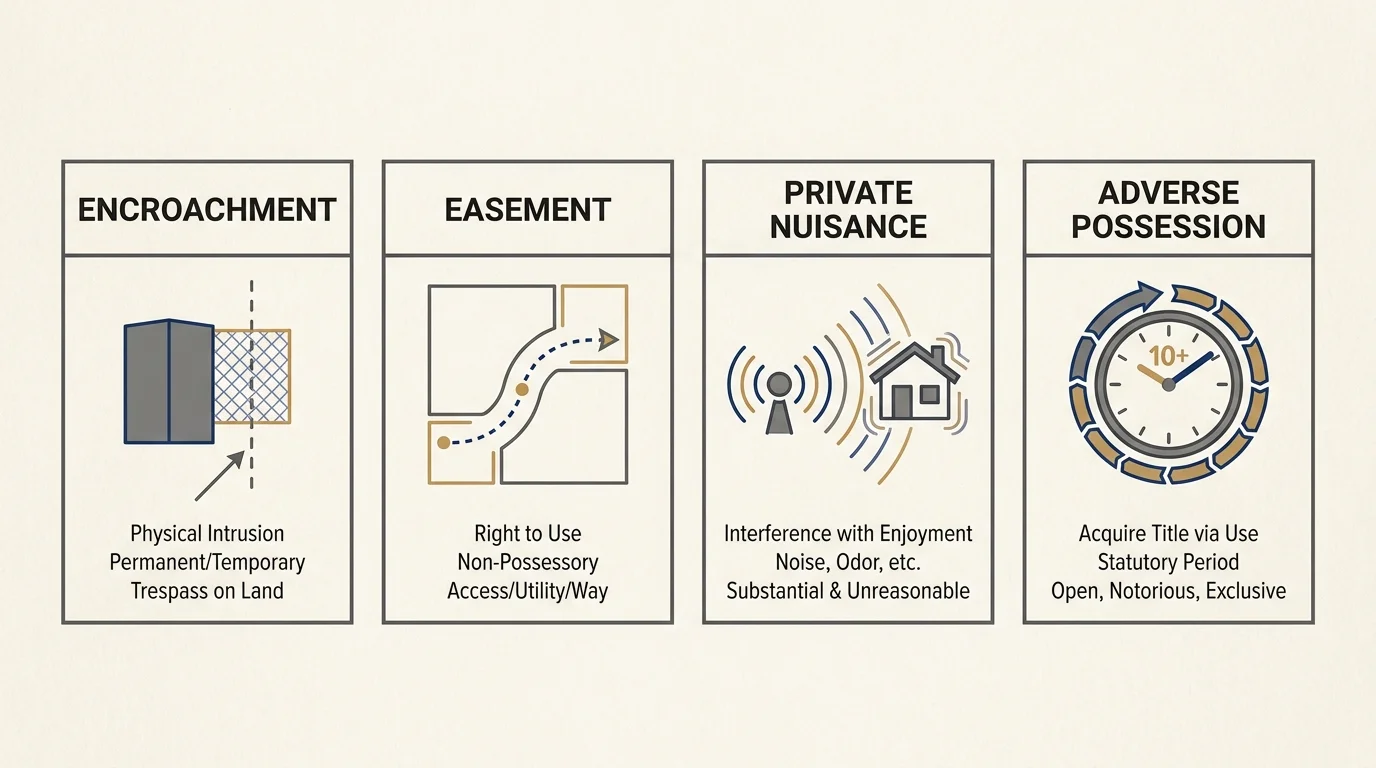
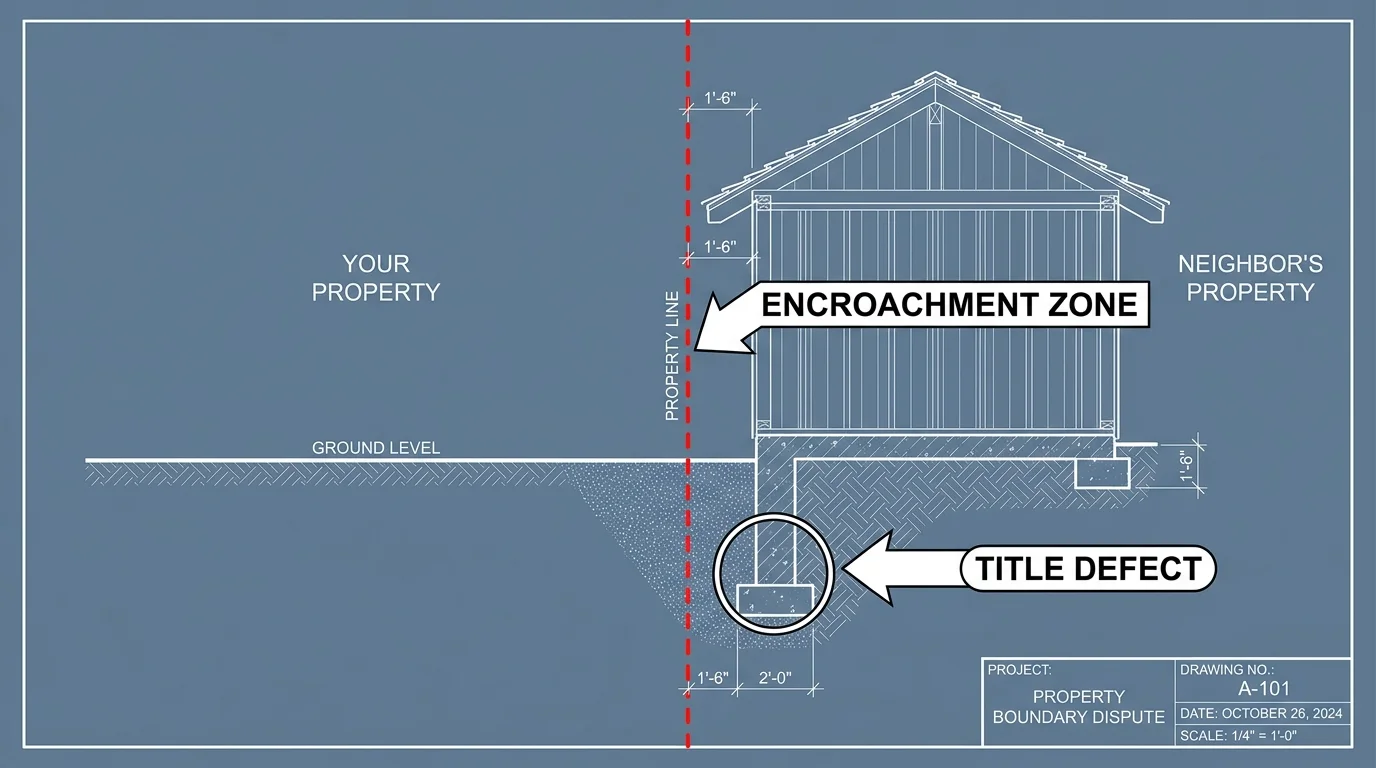
An encroachment occurs when a neighbor physically builds or extends a structure onto your land without your permission. This physical intrusion violates your property rights and creates immediate liability issues. Common examples include building a storage shed that crosses the property line, paving an extended driveway over the boundary, or constructing a retaining wall on your side of the property marker. Encroachments complicate future real estate transactions because they create title defects that prevent you from selling your home until you resolve the boundary issue.
Easement
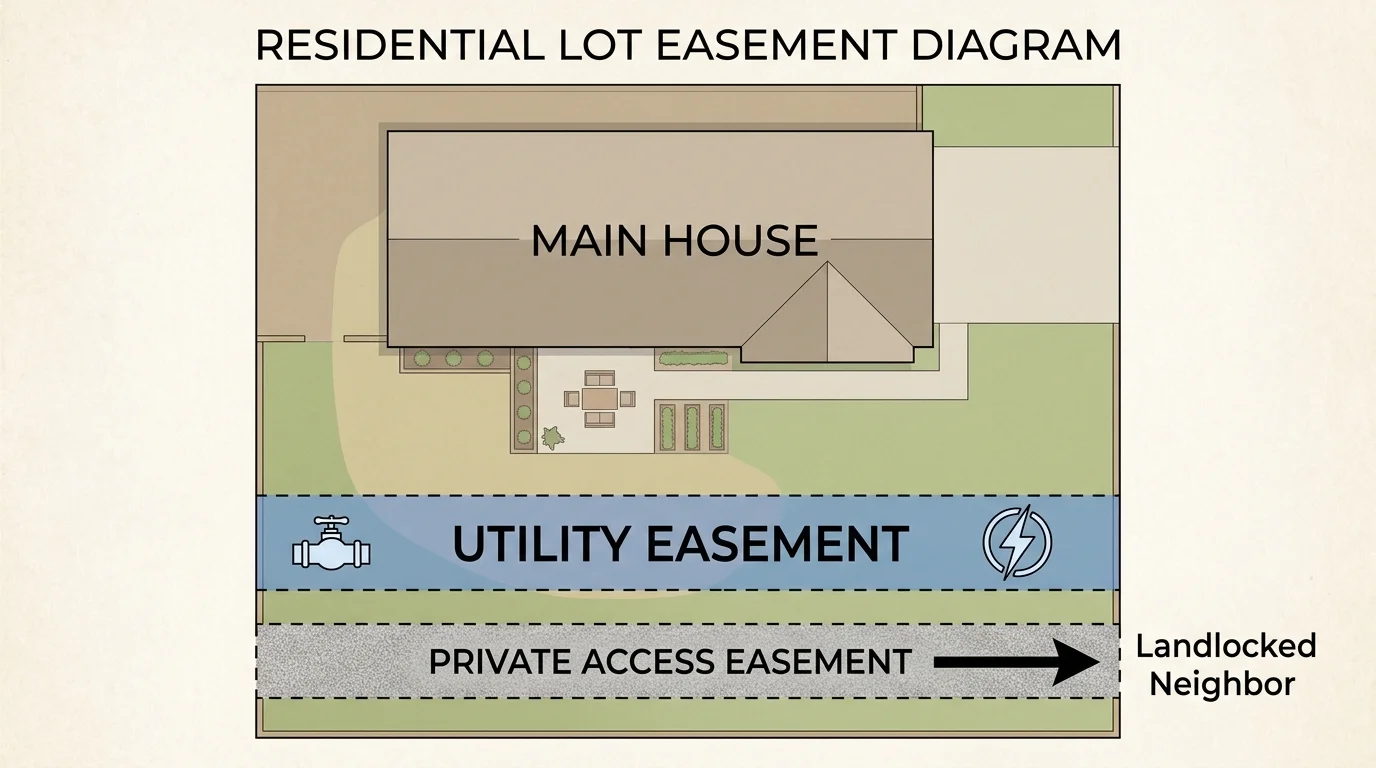
An easement grants a specific person or entity the legal right to use a portion of your property for a designated purpose, even though you hold the title to the land. You will often encounter utility easements, which allow power and water companies to access infrastructure buried in your yard. Private easements frequently exist between neighbors, such as a shared driveway or a pathway that allows a landlocked neighbor to access the main road. Disputes typically arise when the property owner attempts to block the easement or when the easement holder exceeds their designated rights.
Private Nuisance
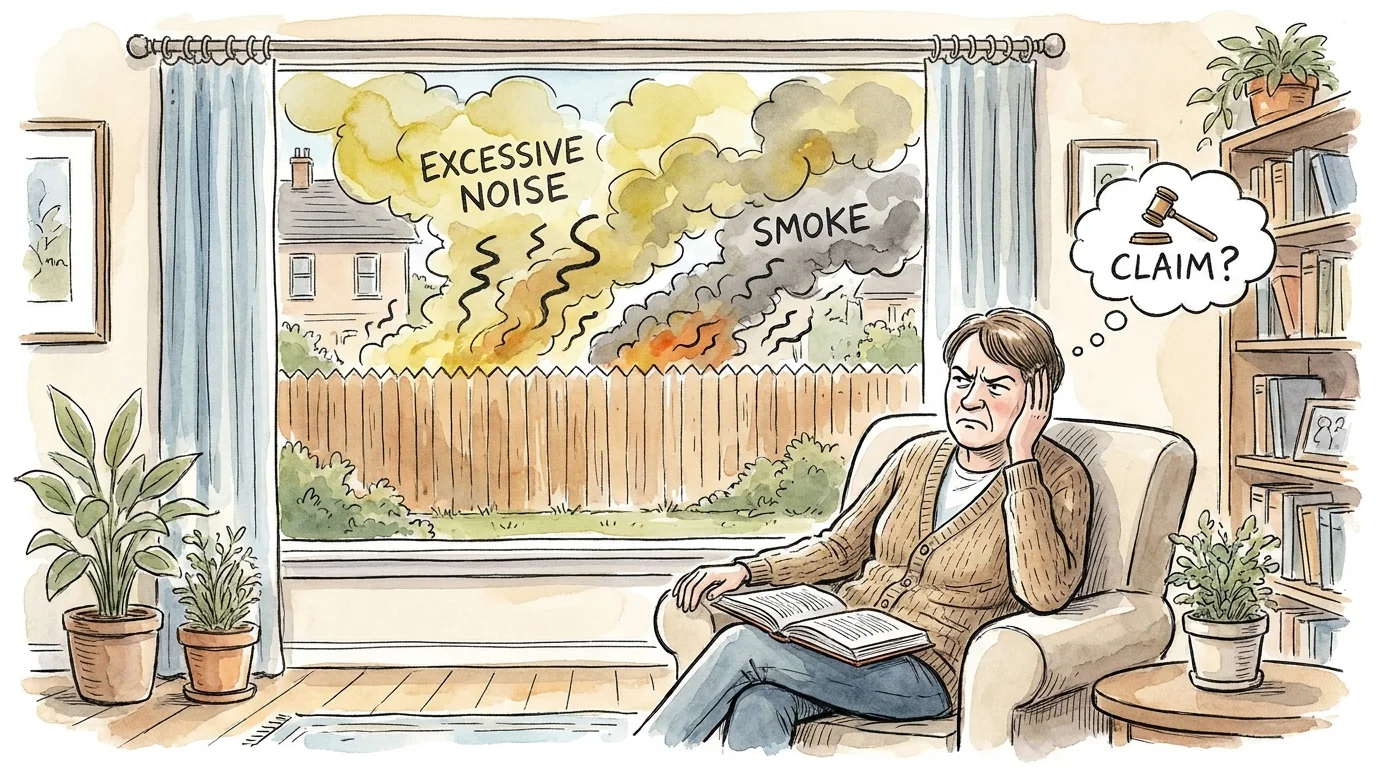
In property law, a private nuisance refers to a substantial and unreasonable interference with your right to use and enjoy your land. Unlike an encroachment, a nuisance does not require a physical structure to cross your property line. Instead, it involves intangible intrusions like excessive noise, noxious odors, blinding lights, or environmental hazards. To qualify as a legally actionable nuisance, the behavior must be continuous or recurring and significant enough that an ordinary person would find it intolerable.
Adverse Possession
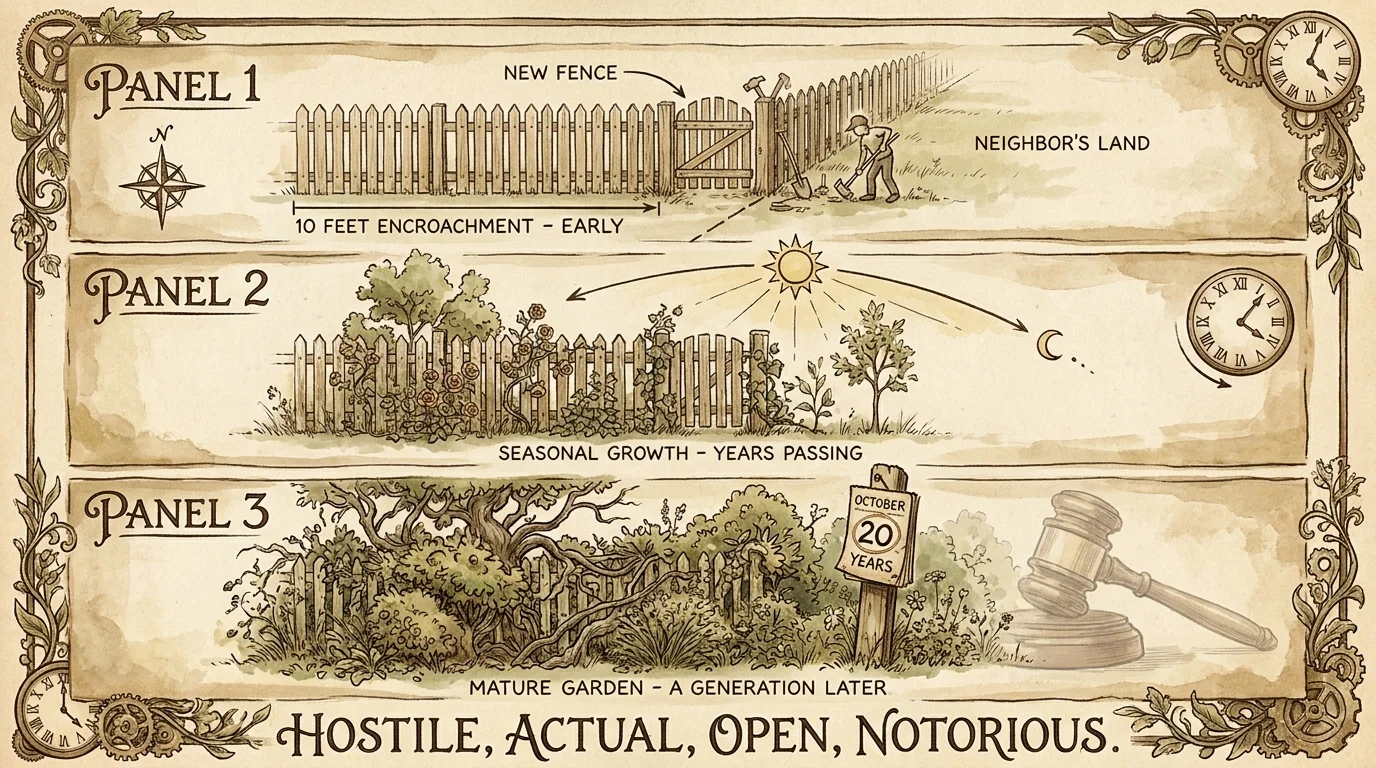
Adverse possession—sometimes colloquially called “squatter’s rights”—is a legal doctrine that allows a person to claim ownership of someone else’s land under specific conditions. To succeed, the trespasser’s use of the land must be hostile (without permission), actual, open and notorious (obvious to anyone), exclusive, and continuous for a statutory period set by state law—often ranging from five to twenty years. A classic example involves a neighbor who builds a fence ten feet into your yard and maintains that strip of land as their own garden for two decades. If you fail to challenge this use, the neighbor could legally claim the land.
Covenants, Conditions, and Restrictions (CC&Rs)
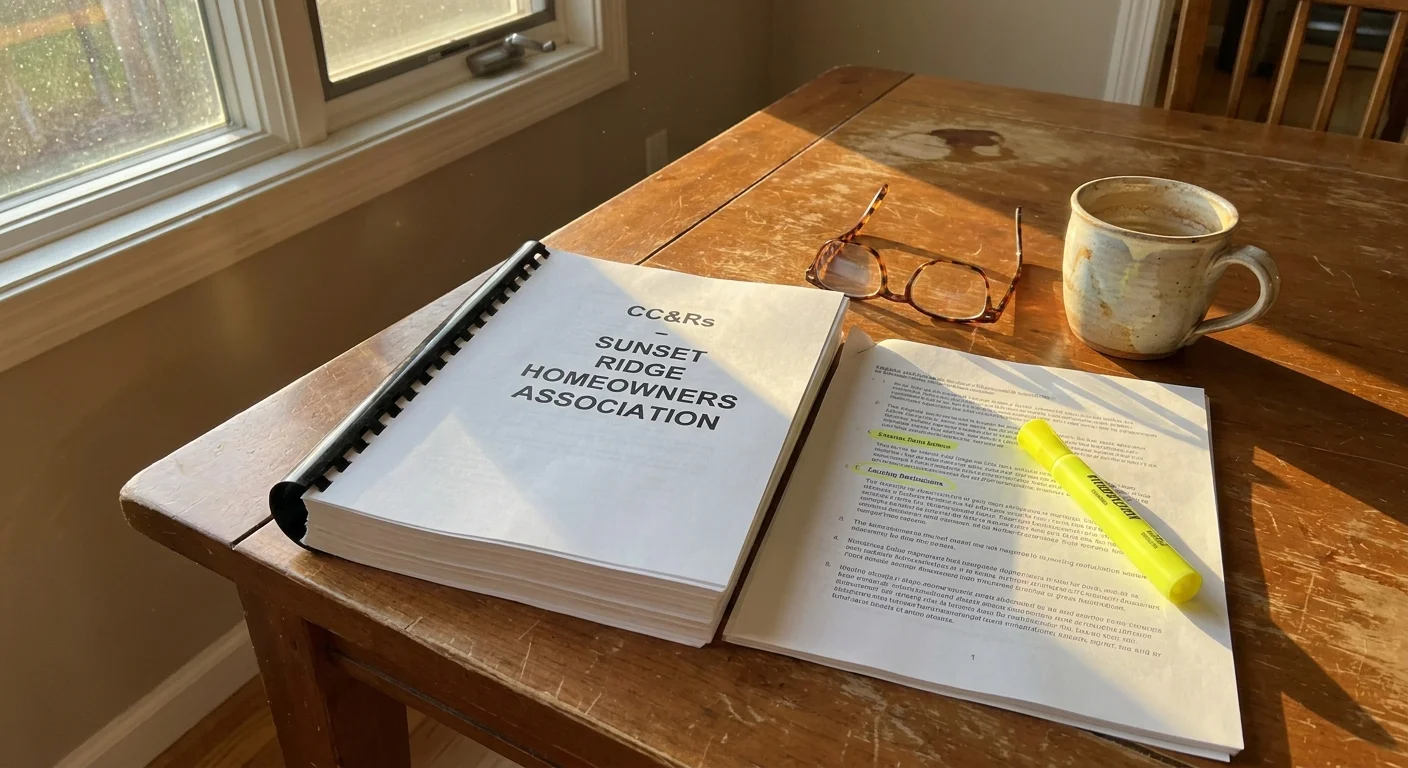
If you live in a planned community or a neighborhood governed by a Homeowners Association (HOA), CC&Rs dictate what you can and cannot do on your property. These legally binding rules run with the land, meaning they apply to you as soon as you purchase the home. CC&Rs regulate everything from the color you can paint your front door to the types of vehicles you can park in your driveway. Neighbor disputes frequently center around one homeowner violating the CC&Rs and another homeowner reporting them to the HOA board.
Quiet Enjoyment
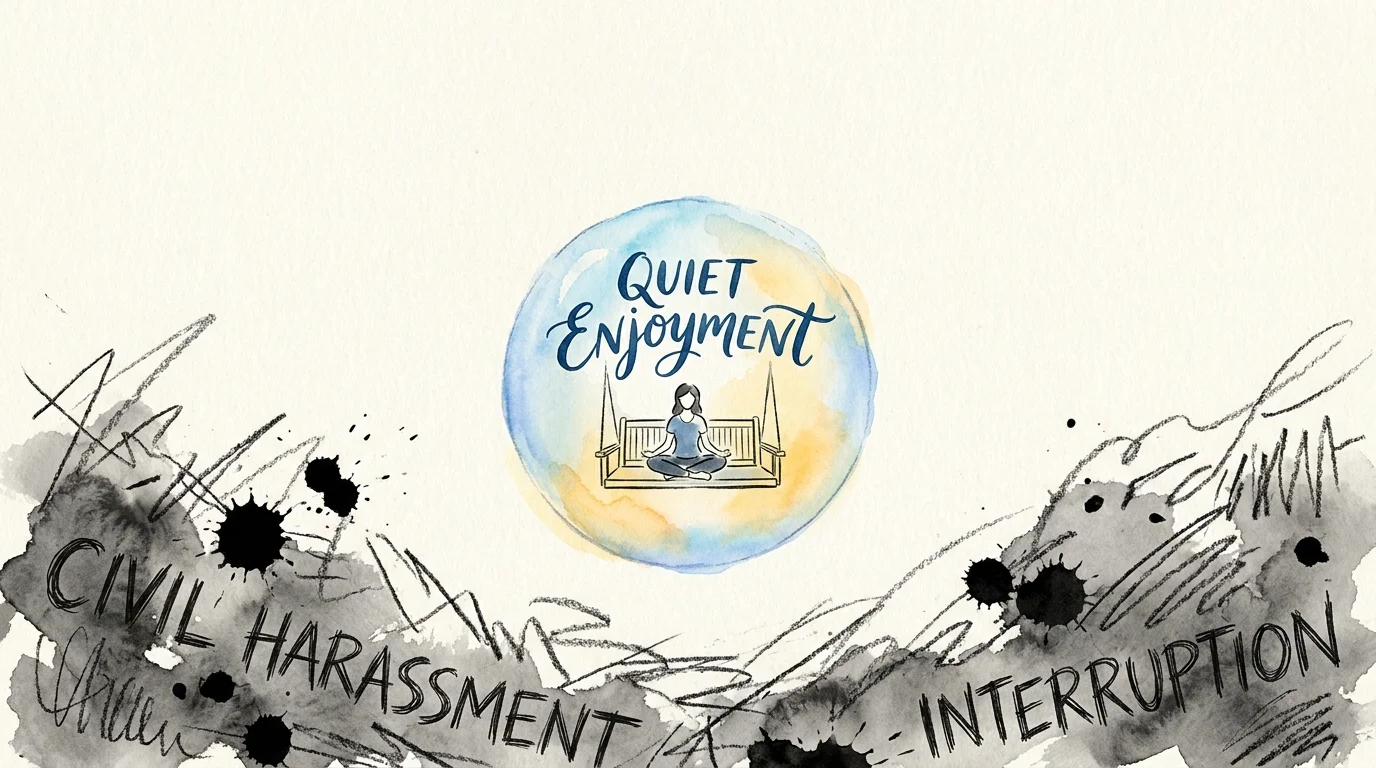
The covenant of quiet enjoyment is a fundamental right tied to property ownership and tenancy. It guarantees that you can reside in your home in peace, free from recurring disturbances or hostile claims to your property. When a neighbor constantly plays music that vibrates your walls at 2:00 AM, they are violating your right to quiet enjoyment. This concept serves as the foundation for many civil lawsuits regarding residential disputes.