A Practical Guide to 7 Legal Problems That Start With Neighbor Disputes
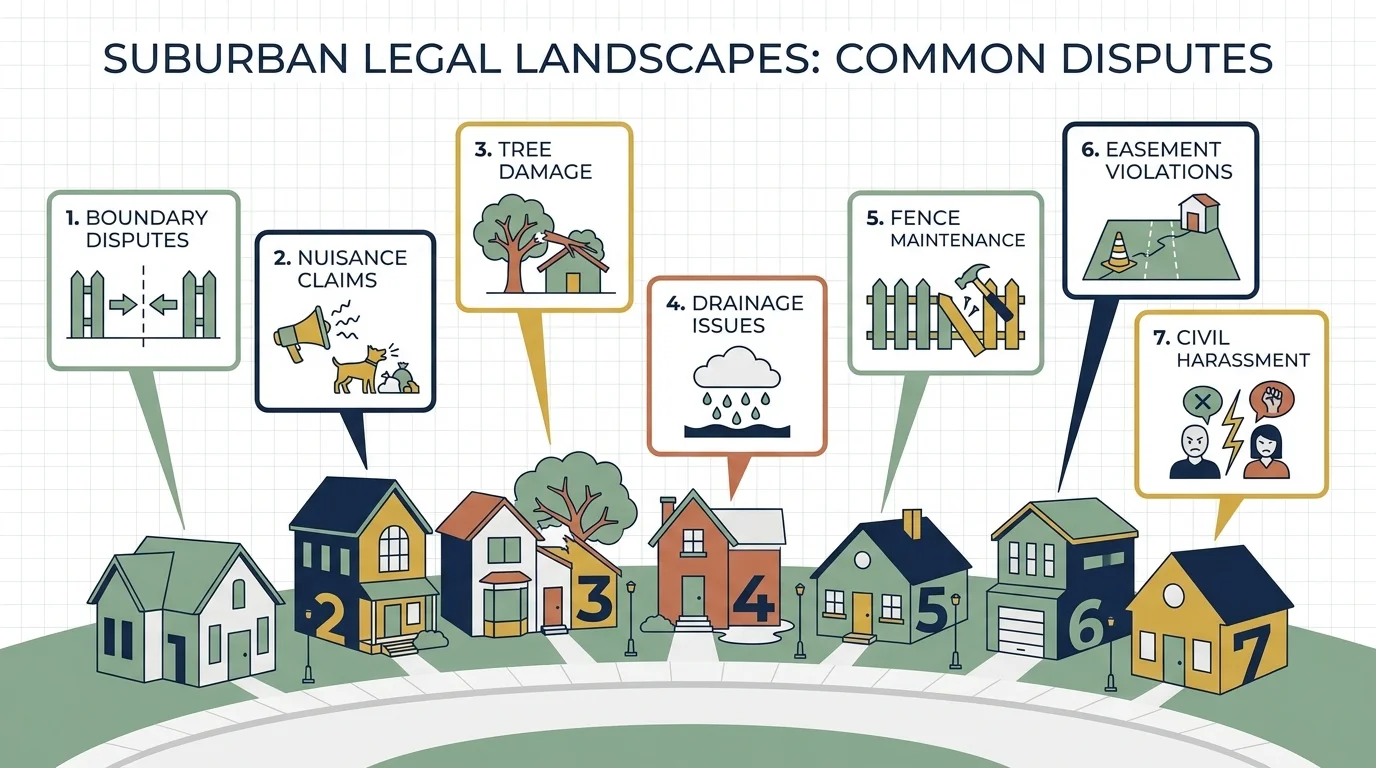
What starts as a tense conversation over the property line can rapidly transform into a severe legal problem. Recognizing the specific type of dispute you are facing helps you determine the correct course of action. Here is an in-depth look at seven common legal issues that originate from everyday neighbor conflicts.
1. Property Line Encroachment and Boundary Disputes
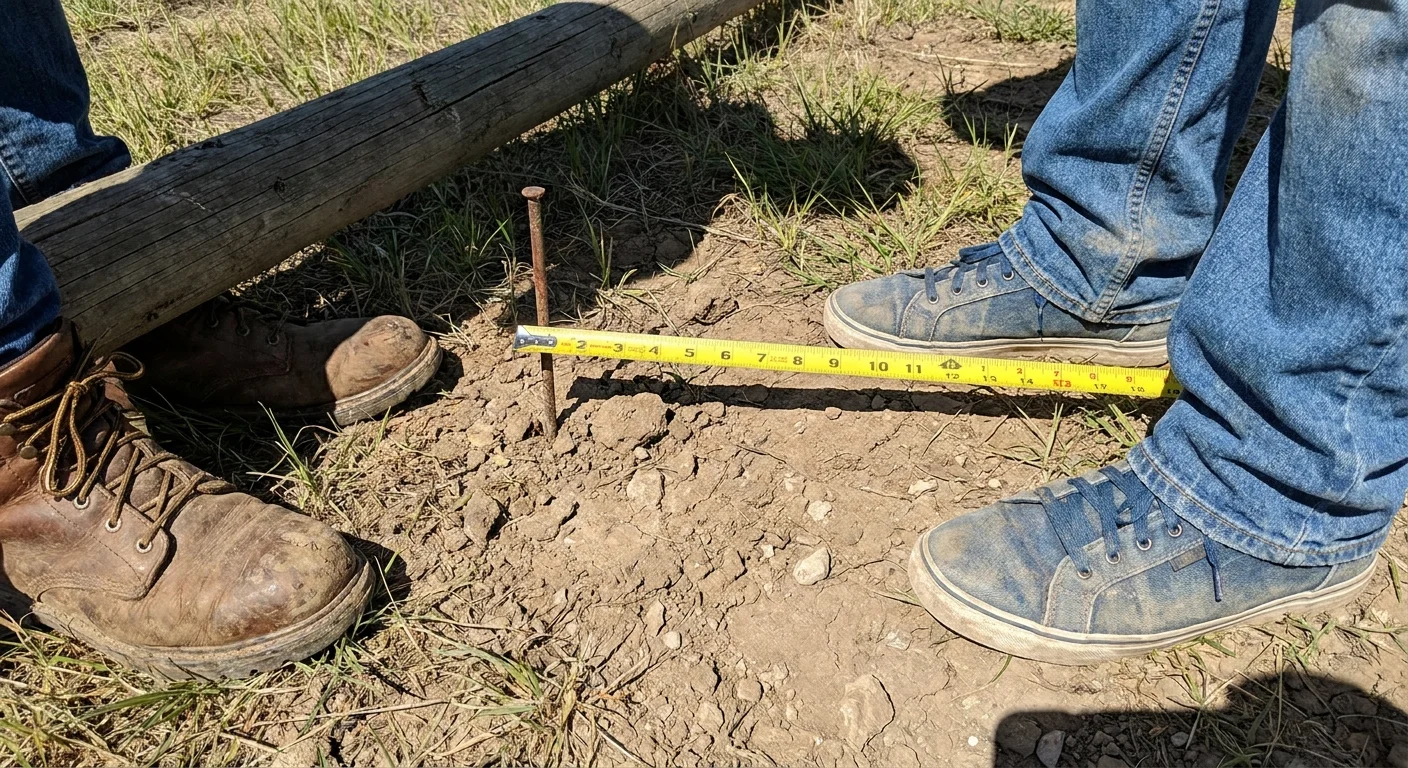
Homeowners frequently assume that existing fences and landscaping perfectly reflect official legal boundaries. Unfortunately, historical fencing often deviates from the actual property lines recorded at the county courthouse. When a neighbor decides to tear down an old fence and build a new one without consulting a land surveyor, they risk encroaching on your property.
Boundary disputes create significant legal and financial consequences. If your neighbor builds a permanent structure on your land, you lose usable square footage and face potential liability. For instance, if someone injures themselves on the portion of the neighbor’s driveway that sits on your property, the injured party could name you in a premises liability lawsuit. Resolving these issues often requires hiring a licensed professional land surveyor to establish the definitive boundary lines. If the neighbor refuses to move the encroaching structure, you may need to file a quiet title action or an ejectment lawsuit to enforce your property rights.
2. Private Nuisance Claims from Noise, Light, and Odors
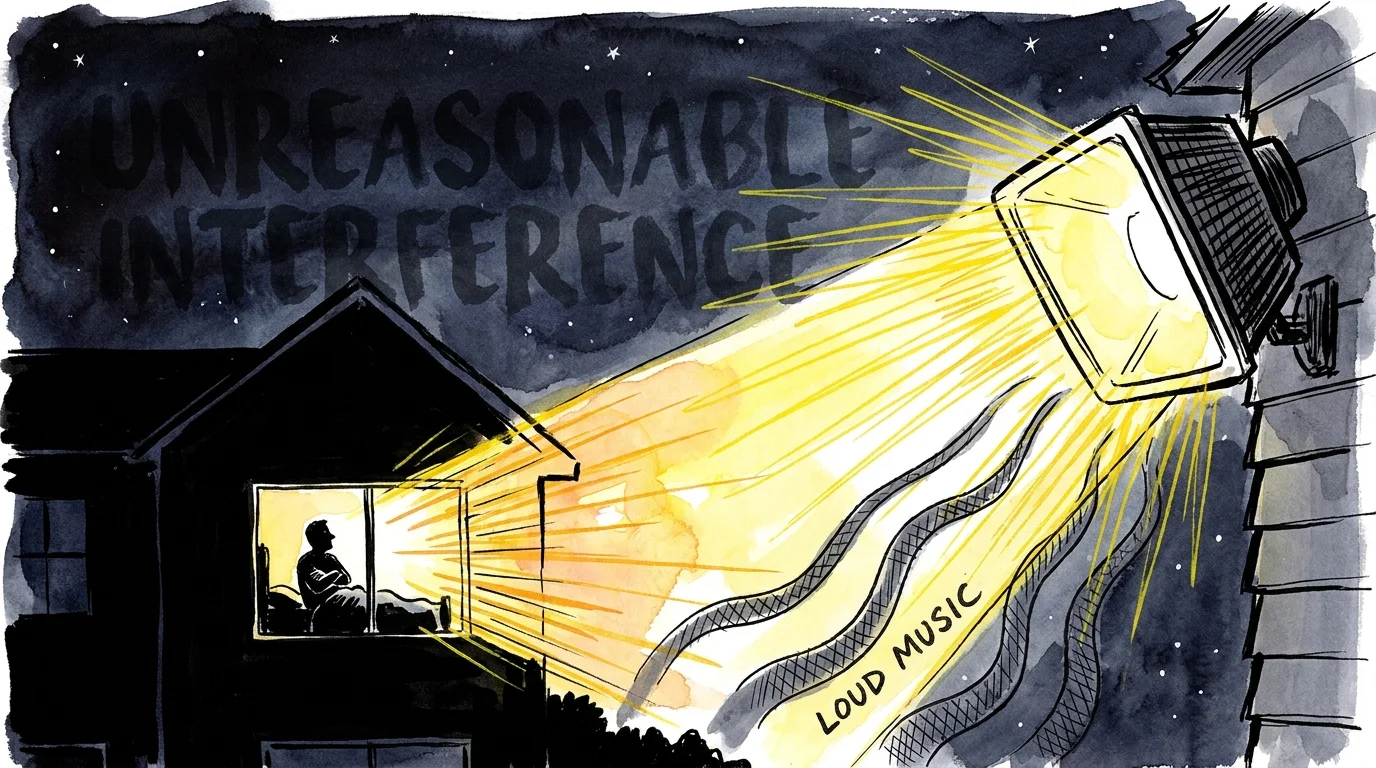
Modern living places homes close together, making some degree of noise and disruption inevitable. However, when a neighbor’s behavior crosses the line from annoying to unbearable, it becomes a private nuisance. Nuisance claims require you to prove that the neighbor’s actions substantially interfere with your daily life.
Consider a neighbor who breeds dogs in their backyard, resulting in constant barking and overwhelming odors, or a neighbor who installs industrial-grade security floodlights that illuminate your bedroom like a sports stadium all night long. These situations go beyond mere annoyance. Local municipalities usually have strict noise ordinances establishing acceptable decibel levels during specific hours. If local code enforcement and police cannot resolve the issue through citations, the dispute often heads to civil court, where a judge can issue an injunction forcing the neighbor to cease the disruptive behavior.
3. Tree Damage and Landscaping Disputes
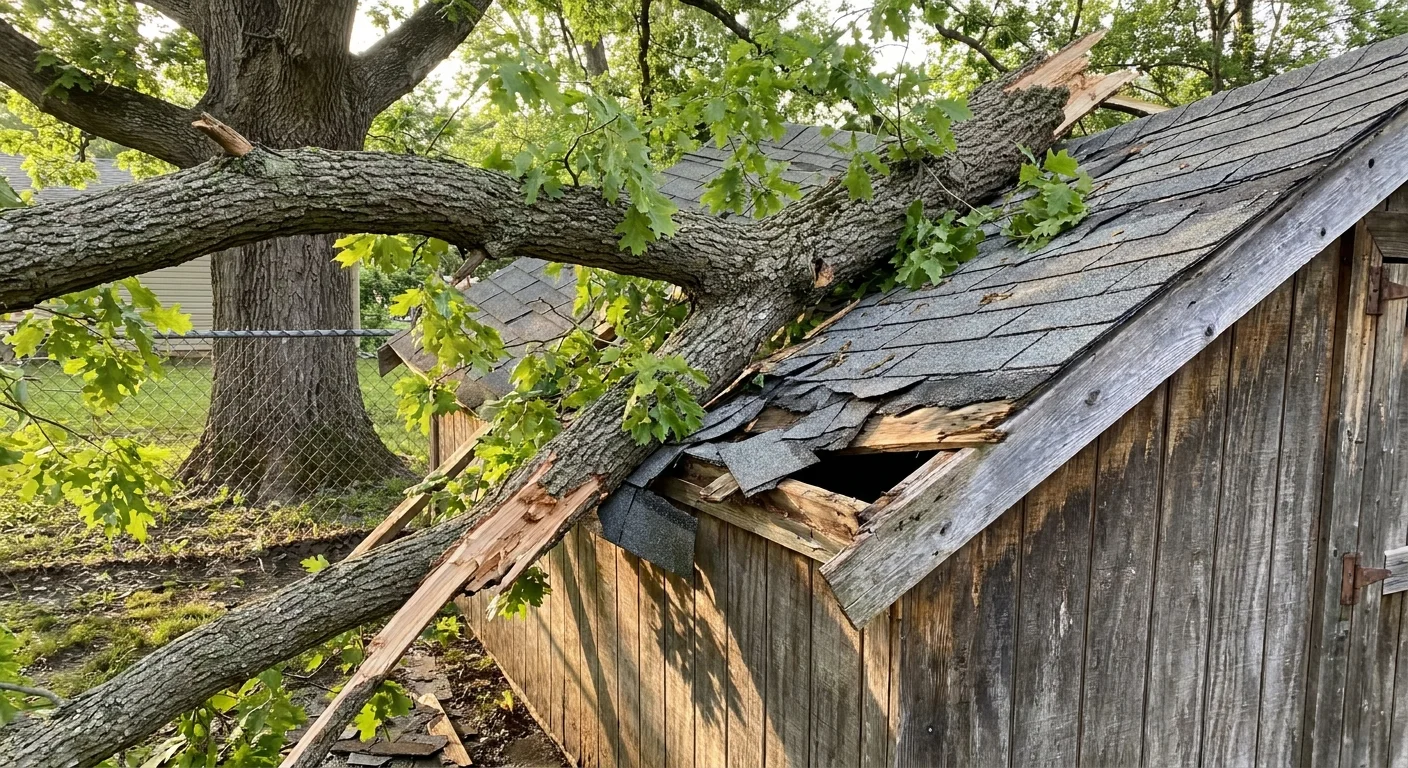
Trees provide shade and beauty, but they also serve as one of the most common catalysts for property disputes. A large oak tree situated precisely on the boundary line belongs to both property owners, meaning neither neighbor can remove it without the other’s consent. Problems typically arise when a tree belongs entirely to one neighbor, but its roots or branches extend into the adjoining yard.
If your neighbor’s tree roots aggressively invade your plumbing system or crack your foundation, you face thousands of dollars in property damage. Most jurisdictions follow common law principles that allow you to trim encroaching branches and roots up to the property line. However, you must exercise extreme caution. If your trimming destabilizes the tree, causes it to die, or results in it falling onto your neighbor’s house, you become legally and financially responsible for the damage. Conversely, if a neighbor’s dead or diseased tree falls onto your roof, their negligence could make them liable for your repair costs, provided you previously warned them about the tree’s hazardous condition.
4. Surface Water Runoff and Drainage Issues
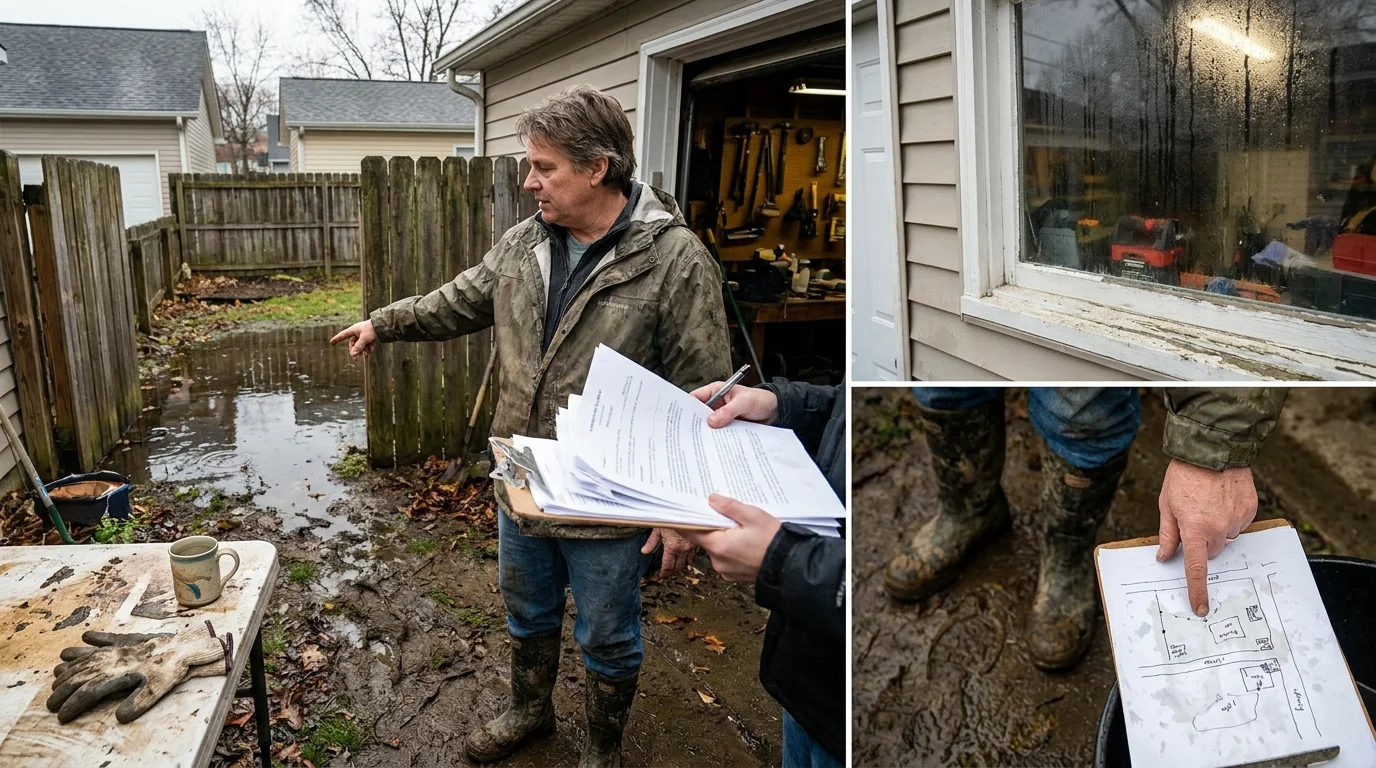
Water damage causes severe structural degradation to a home, and disputes frequently erupt when one neighbor alters their landscape and redirects rainwater into another neighbor’s yard. If a neighbor regrades their lawn, paves over a permeable surface, or installs new gutter downspouts that channel storm runoff directly into your basement, they create a serious legal issue.
Courts handle surface water disputes differently depending on state law. Some states apply the “Reasonable Use” doctrine, which evaluates whether the neighbor’s alteration of the land was necessary and whether they took reasonable steps to avoid harming adjacent properties. Other jurisdictions use the “Common Enemy” doctrine, which allows landowners to protect themselves from surface water by any means necessary, though many states have modified this rule to prevent malicious flooding of neighboring lands. Resolving drainage disputes often requires expensive civil engineering assessments and court orders compelling the offending neighbor to install proper French drains or retaining walls.
5. Fence Ownership and Maintenance Problems
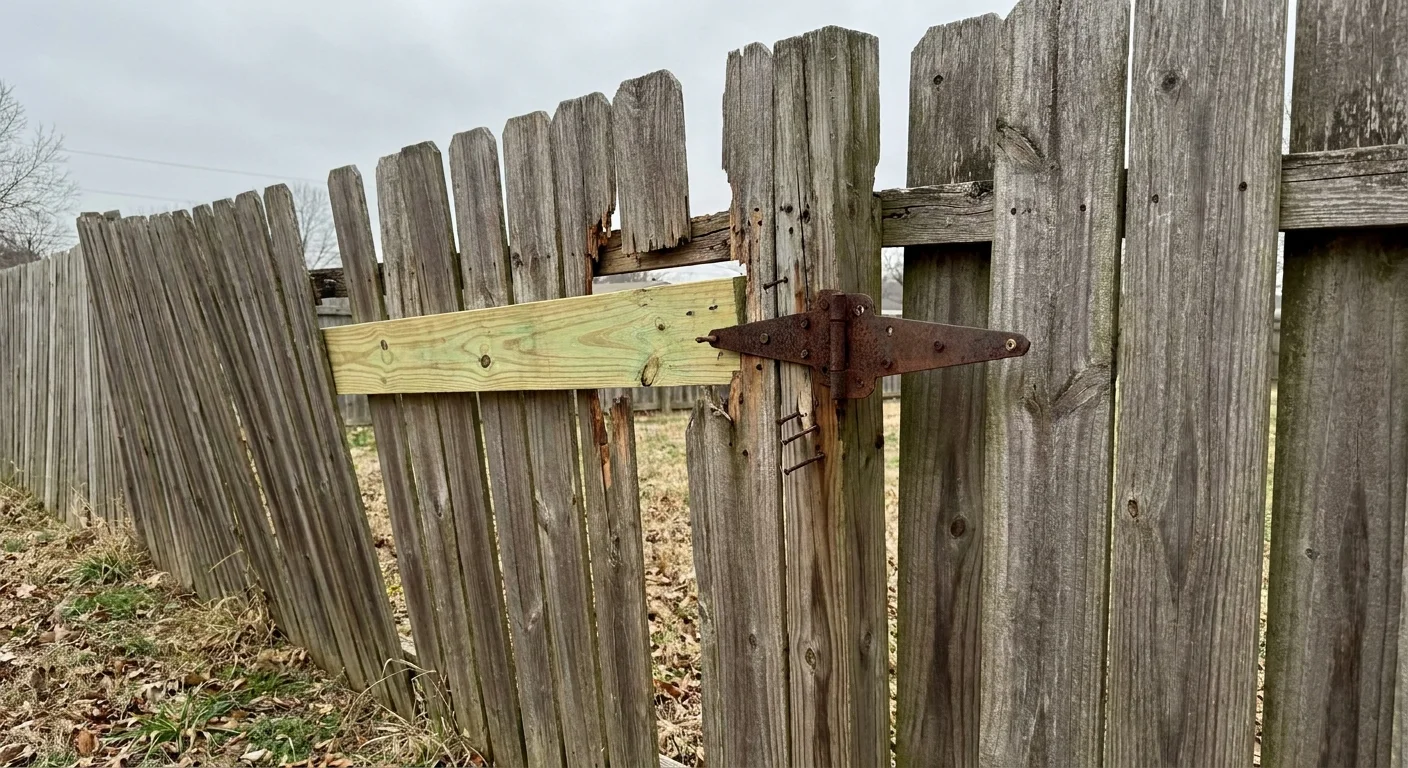
Fences literally divide neighbors, but they legally bind them together. In many states, fences built precisely on the boundary line are considered “partition fences.” Local statutes typically require both neighbors to share the financial responsibility for repairing and maintaining partition fences. If a storm destroys a shared fence and your neighbor refuses to pay their half of the repair bill, you may have legal grounds to sue them for the remaining balance.
Another severe problem involves “spite fences.” A spite fence is a structure built out of malice solely to annoy a neighbor, block their scenic view, or restrict their access to natural light. Many states and municipalities have enacted specific statutes prohibiting spite fences, capping fence heights, and allowing the victimized neighbor to seek a court order requiring the removal or reduction of the offending structure.
6. Easement and Right-of-Way Violations
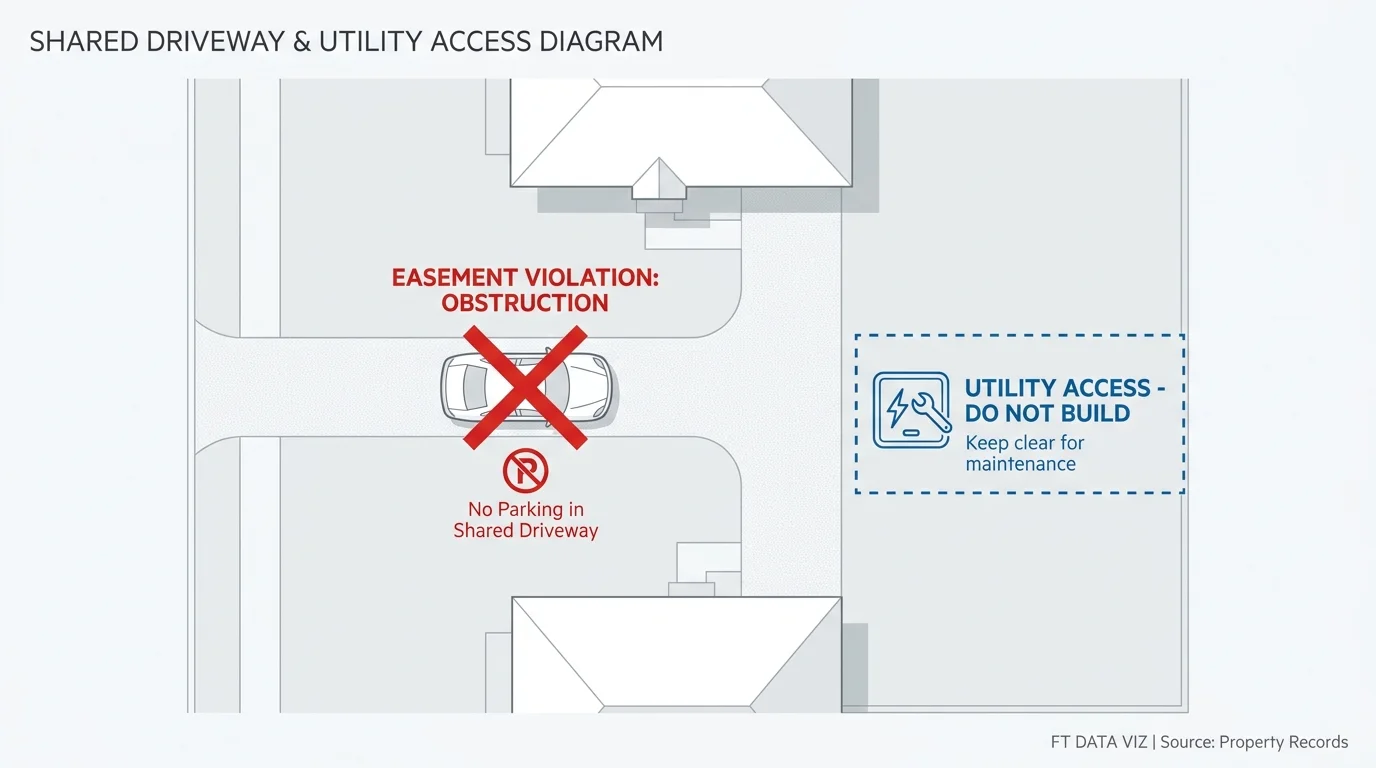
Easements create complex legal relationships because they force two property owners to share a specific space. A common scenario involves a shared driveway where one neighbor constantly parks their vehicles, blocking the other neighbor from reaching the street. Over time, these minor inconveniences escalate into aggressive confrontations.
If you hold a legally recorded easement over your neighbor’s land, they cannot place locked gates, build fences, or plant aggressive landscaping that impedes your right of way. If they do, they are interfering with your easement rights. Conversely, if you own the land burdened by the easement, you have the right to ensure the easement holder does not expand their usage beyond what the deed explicitly allows. Disputes over vague or ancient easement language frequently require a judge to interpret the original intent of the deed and establish clear boundaries for usage.
7. Civil Harassment and Loss of Quiet Enjoyment
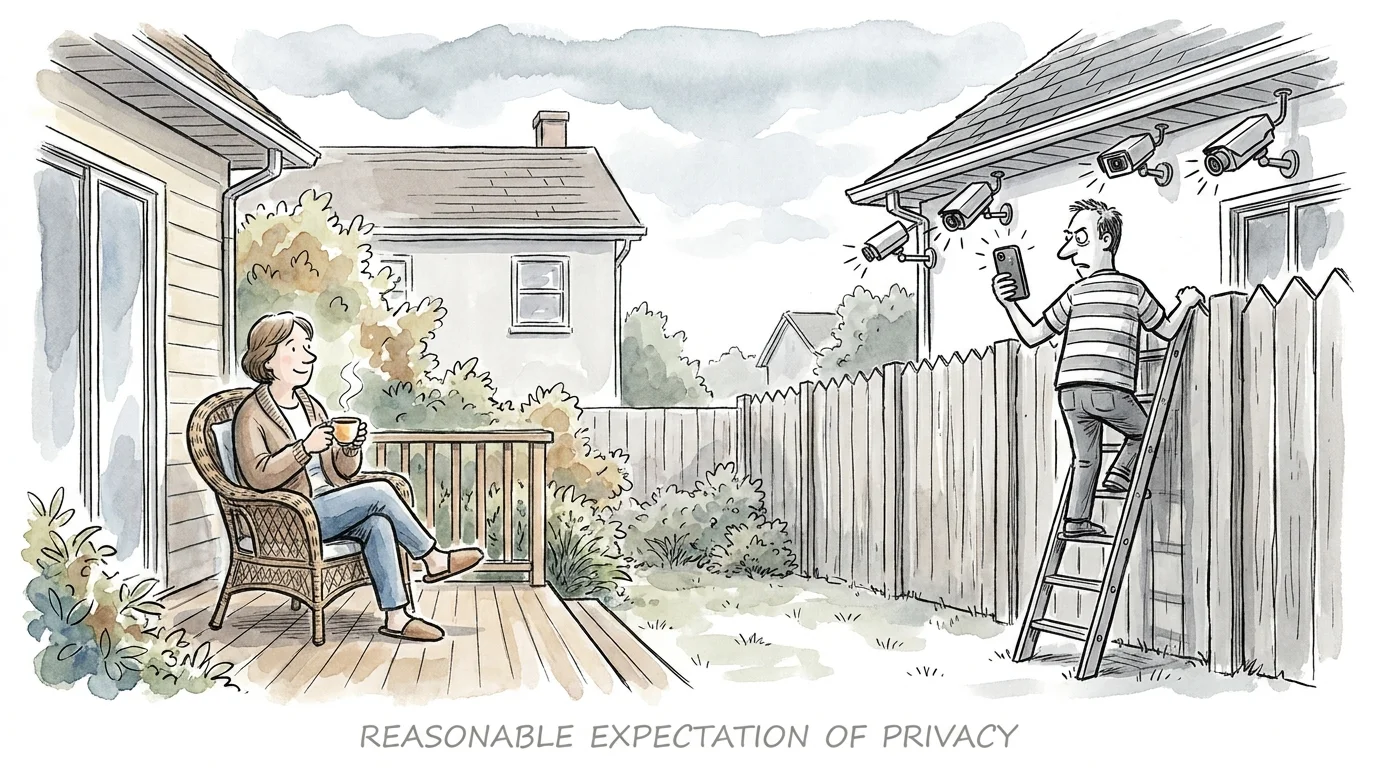
When neighborly relations break down entirely, disputes sometimes devolve into harassment. If a neighbor begins surveilling your property with specialized cameras, repeatedly screaming obscenities over the fence, making false reports to child protective services, or physically intimidating you and your family, the situation crosses the threshold from a property dispute into a personal safety issue.
In these extreme cases, victims often need to petition the court for a civil harassment restraining order or a protective order. Securing a restraining order creates severe legal boundaries; if the aggressive neighbor violates the court’s order, they face immediate arrest and criminal charges. Documenting every instance of harassment, saving threatening voicemails, and keeping a detailed log of police interactions provides the necessary evidence to prove a pattern of malicious behavior to a judge.