
Common Mistakes and How to Avoid Them
When property disputes arise, emotions run high. Homeowners often make impulsive decisions that severely damage their legal standing and escalate the conflict. Avoiding these common pitfalls protects your rights and keeps your resolution options open.
Retaliating Against the Neighbor
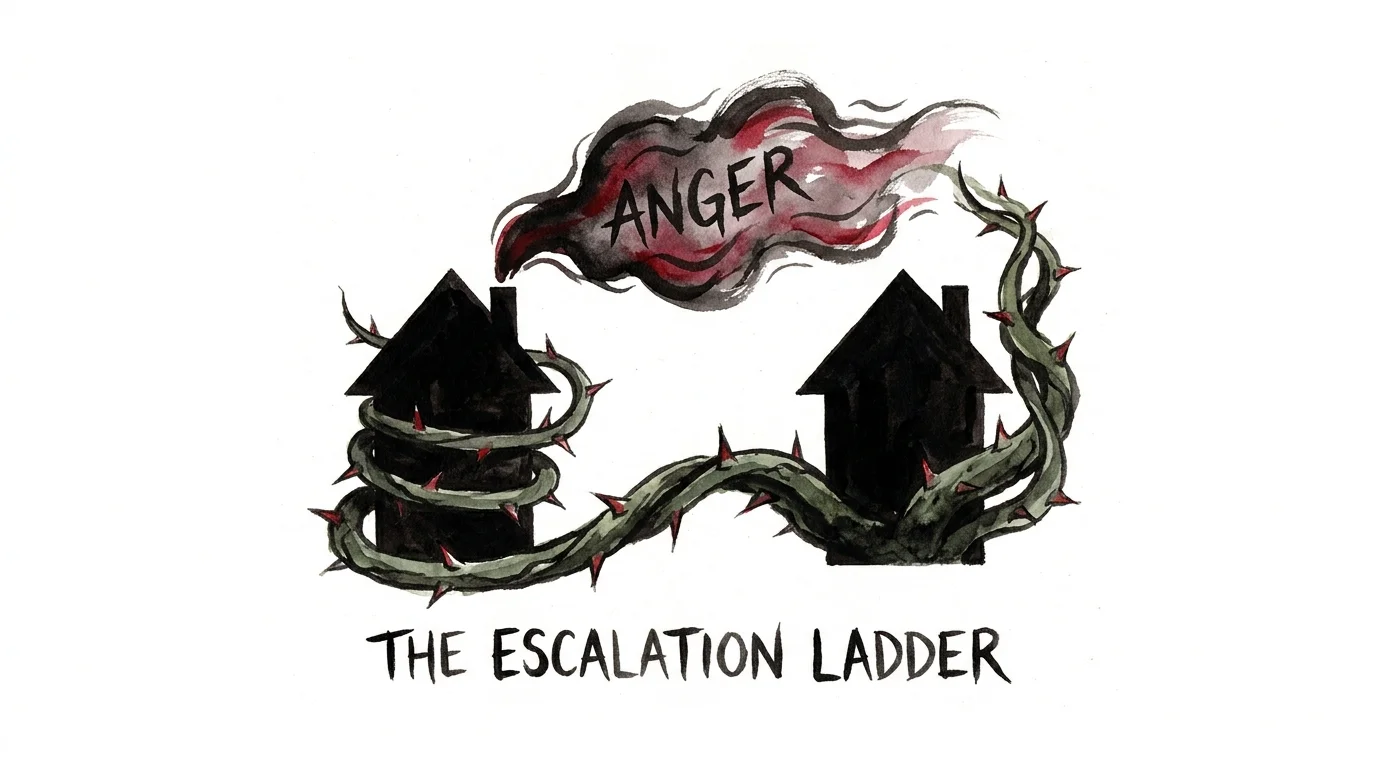
The most destructive mistake you can make is engaging in retaliatory behavior. If your neighbor plays loud music, pointing your own speakers at their house and blasting heavy metal only makes you look equally guilty in the eyes of the law. Retaliation undermines your credibility if you eventually need to ask a judge for a restraining order or a nuisance injunction. Instead of fighting fire with fire, maintain the moral high ground. Keep your interactions brief, polite, and completely focused on facts.

Failing to Document the Problem
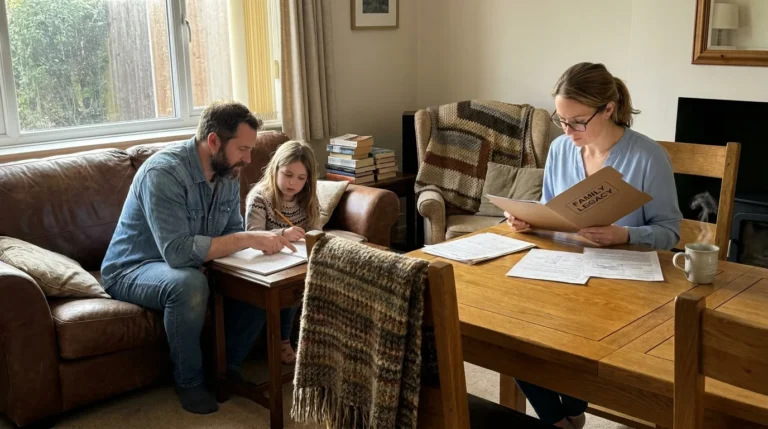
Without evidence, neighbor disputes devolve into “he said, she said” arguments that police and judges find impossible to resolve. You must treat the dispute as a potential legal case from the very first incident. Keep a meticulous, written log detailing the dates, times, and descriptions of every problematic event. Use your smartphone to capture clear, date-stamped photographs and videos of encroachments, water runoff, or noise violations. Keep copies of all emails, text messages, or written letters exchanged with your neighbor.
Relying on Outdated Maps or Mobile Apps
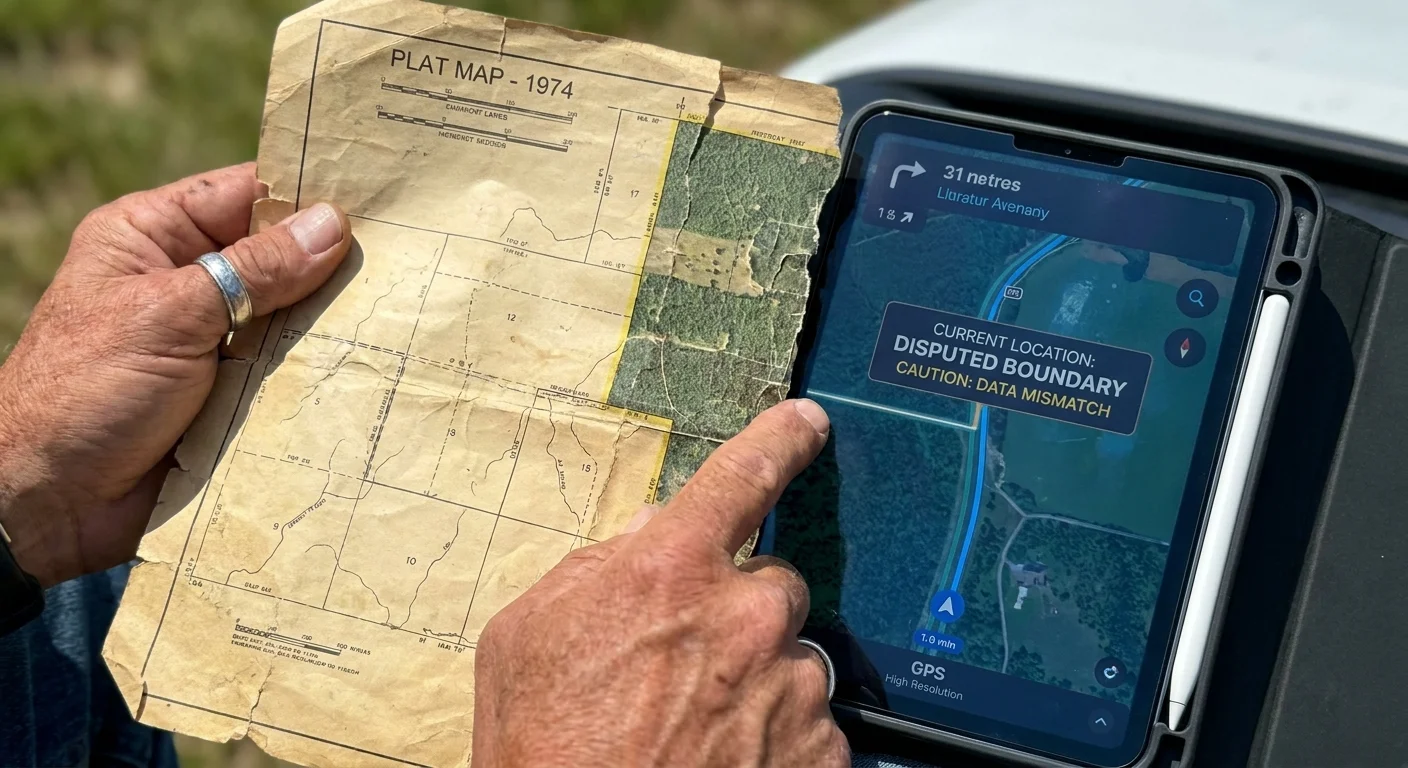
Many homeowners try to resolve boundary disputes by pulling up their property on online mapping tools, real estate websites, or county tax assessor maps. These digital tools provide general estimates, not legally binding boundaries. Relying on an app to demand your neighbor tear down a fence is a dangerous gamble. Only a professional survey conducted by a licensed land surveyor carries legal weight in a boundary dispute. Investing in a proper survey provides definitive proof of your property lines and stops arguments over ambiguous boundaries.
Taking the Law Into Your Own Hands
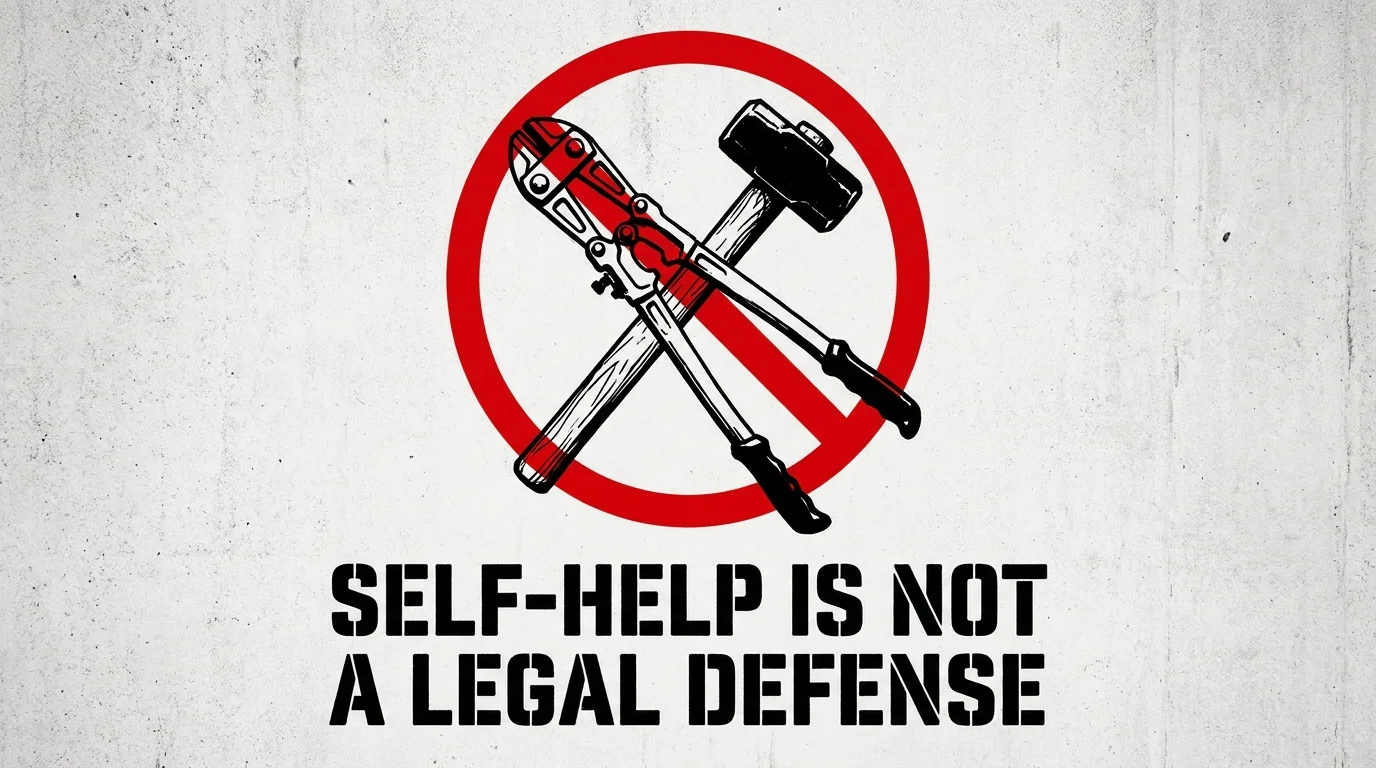
Frustration often drives homeowners to implement “self-help” remedies, such as cutting down a neighbor’s entire tree, ripping up a disputed fence, or towing a neighbor’s car from an easement. Taking the law into your own hands usually results in criminal trespassing or vandalism charges. It also exposes you to civil lawsuits for property destruction. Always use the proper legal channels—whether that means contacting municipal code enforcement, involving your HOA board, or filing a civil claim—to resolve physical property disputes.
Ignoring Local Zoning Ordinances
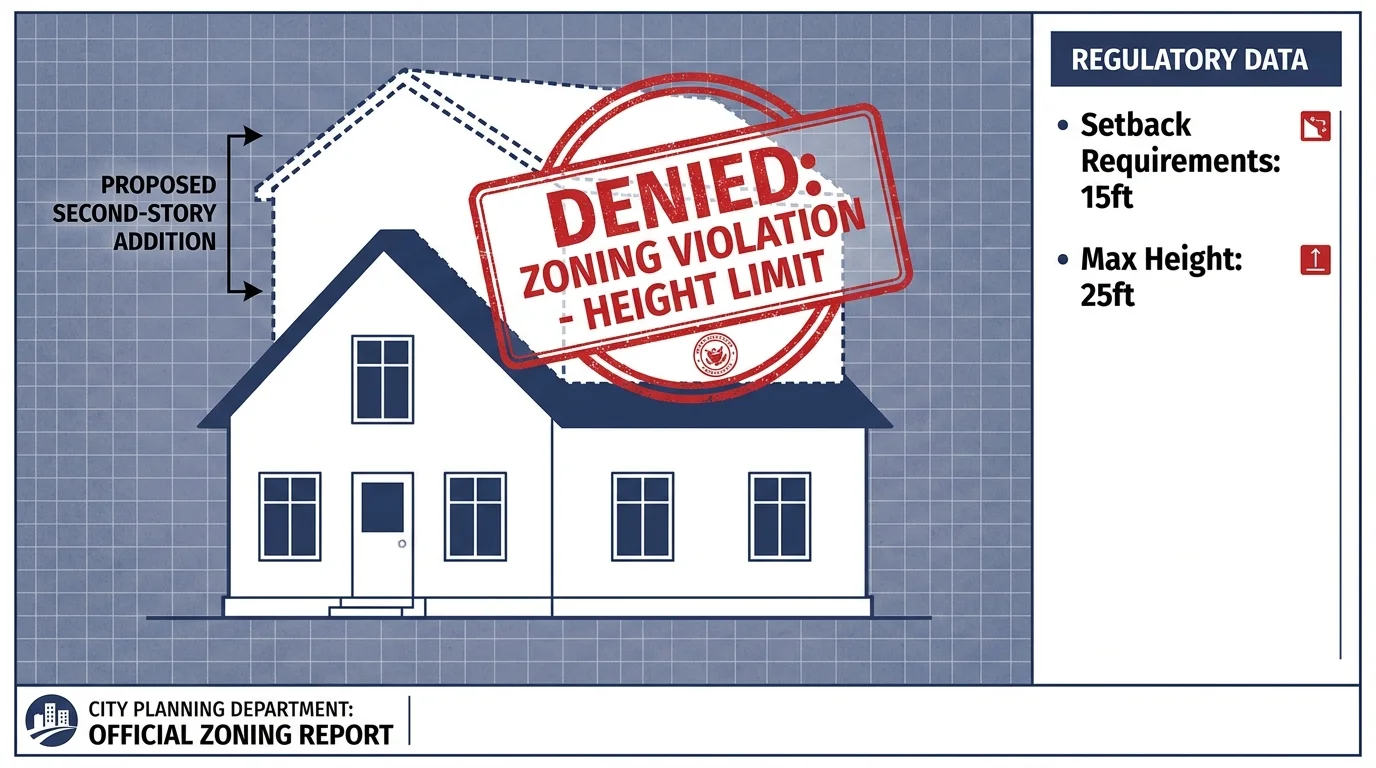
Before you approach your neighbor with a demand, you must verify that they are actually violating a rule. Homeowners frequently complain about issues that are perfectly legal under local zoning laws. For example, you might hate the color of your neighbor’s new shed, but if the local ordinances do not regulate paint colors, you have no legal standing to force a change. Call your local municipal planning office or check your city’s municipal code online to confirm the specific laws regarding noise, fence heights, setbacks, and land use before escalating a conflict.