
When to Consult a Professional
Trying to navigate a complex property dispute on your own often leads to expensive mistakes. Knowing when to escalate the situation and bring in neutral professionals saves you time, money, and emotional distress.

Hiring a Professional Land Surveyor
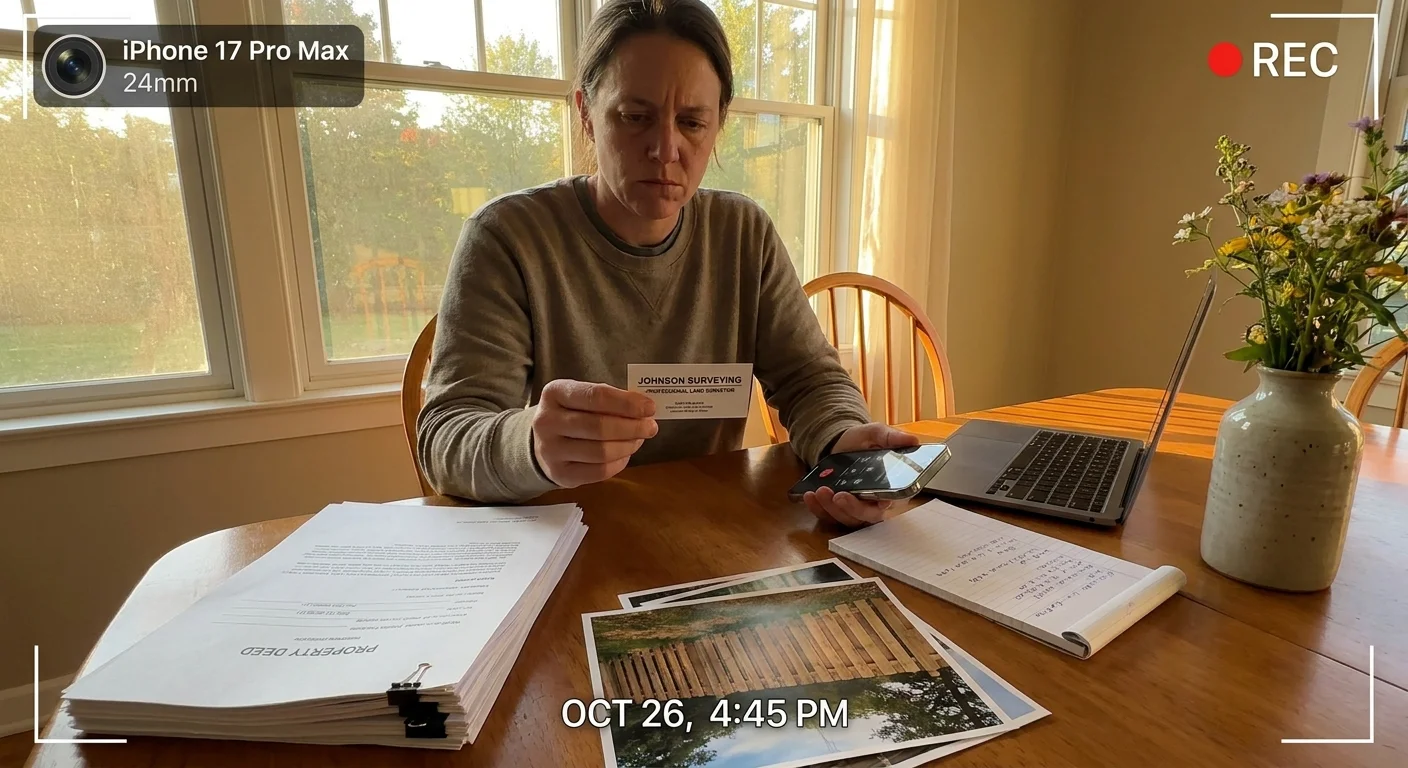
You should hire a land surveyor the moment a dispute arises over property lines, fences, retaining walls, or tree ownership. Do not rely on old plat maps you found in your closing documents. A licensed surveyor researches the historical deeds, locates the physical monuments in the ground, and drafts an official survey map that clearly delineates your boundaries. Having this objective, legally recognized document often ends boundary arguments immediately, as the neighbor can no longer dispute the physical facts.

Using a Professional Mediator
Litigation is exceptionally expensive, time-consuming, and stressful. Before filing a lawsuit, consider engaging a professional mediator. Mediation is a voluntary process where a neutral third party facilitates a conversation between you and your neighbor. The mediator does not act as a judge or issue binding rulings; instead, they help both parties identify mutually acceptable compromises. Mediation works particularly well for subjective disputes, such as noise complaints or shared landscaping maintenance, where preserving a functional neighborly relationship remains important.

Consulting a Real Estate Attorney
You need to consult a qualified real estate attorney when a dispute threatens your property value, your physical safety, or your legal ownership rights. Specifically, you should seek legal counsel if your neighbor builds a permanent structure on your land, files a lawsuit against you, attempts to claim your land through adverse possession, or continuously violates a legal easement. An attorney evaluates your property deeds, assesses the validity of your claims, issues formal cease-and-desist letters, and represents your interests in civil court. Engaging a lawyer early often prevents the other party from steamrolling your rights and demonstrates that you take the matter seriously.
For official information, consult government resources like USA.gov, the Consumer Financial Protection Bureau (CFPB), and the Federal Trade Commission (FTC).
For tax-related topics, refer to the IRS. For information on Social Security, visit the Social Security Administration.